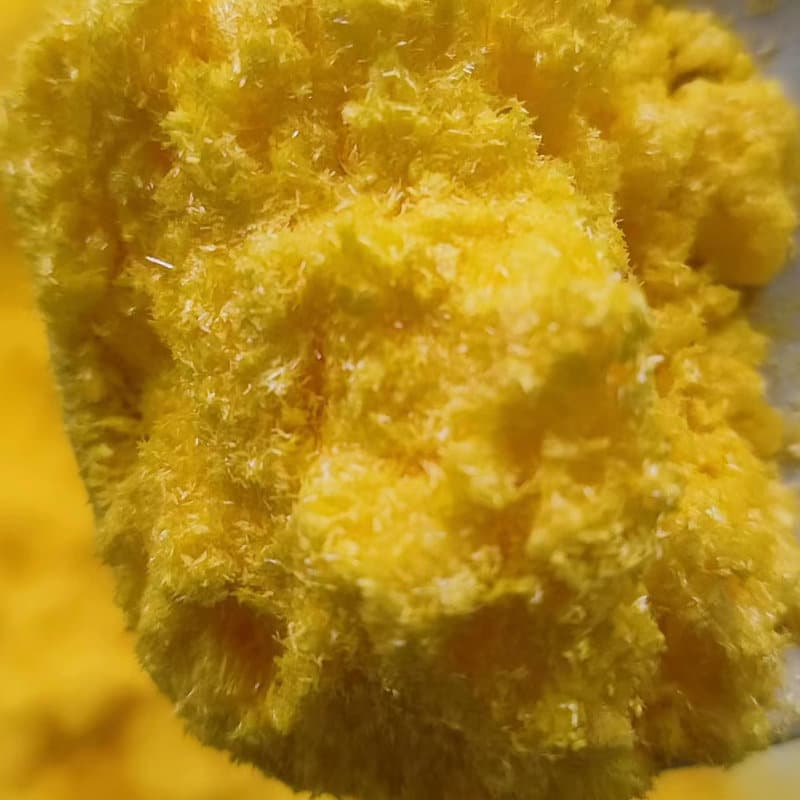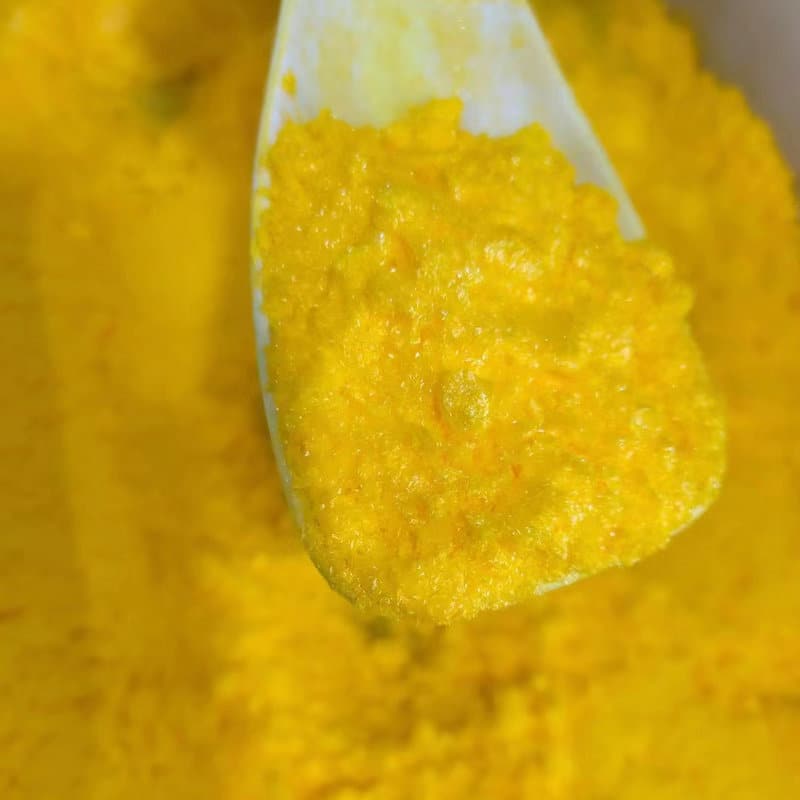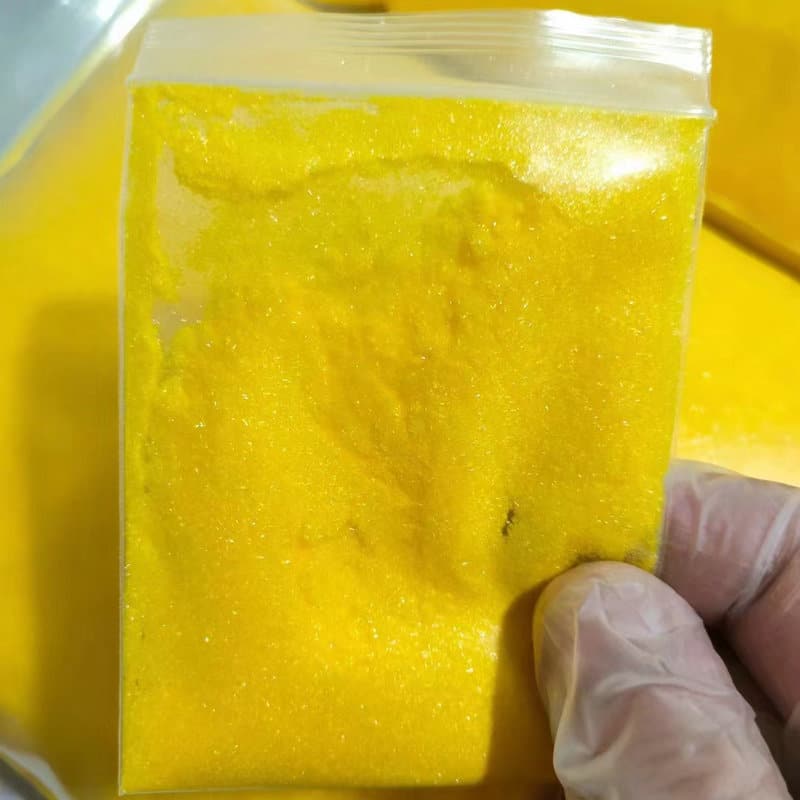
Difference Between Retinol and Retinal: Which Is Better for Your Skin?
The main difference between retinol and retinal is how many conversion steps each ingredient needs to become retinoic acid, the biologically active form of vitamin A involved in regulating skin cell behavior. Retinol requires two conversion steps, while retinal (also known as retinaldehyde) requires only one. This makes retinal a closer precursor to retinoic acid, although the actual effectiveness of a skincare product also depends on its concentration, stability, formulation, and how consistently it is used.
Both retinol and retinal belong to the retinoid family and are used in skincare products designed to improve the appearance of fine lines, uneven skin tone, and rough texture. However, they are not interchangeable ingredients. Understanding their differences can help consumers select suitable skincare products and help cosmetic formulators choose the right raw material.
Retinol vs Retinal: Key Differences at a Glance
The following comparison summarizes the most important differences between retinol and retinal.
| Feature | Retinol | Retinal |
|---|---|---|
| Full name | Retinol | Retinaldehyde |
| Alternative name | Vitamin A1, Vitamin A alcohol | Vitamin A aldehyde |
| CAS number | 68-26-8 | 116-31-4 |
| Molecular formula | C20H30O | C20H28O |
| Molecular weight | 286.45 g/mol | 284.44 g/mol |
| Functional group | Alcohol (-OH) | Aldehyde (-CHO) |
| Conversion to retinoic acid | Two steps | One step |
| Relative cosmetic activity | Generally a milder starting option | Potentially more active at comparable concentrations |
| Skin irritation | May cause dryness, redness, or peeling | May also cause irritation; formulation matters |
| Typical skincare applications | Anti-aging, texture, uneven skin tone | Anti-aging, texture, uneven skin tone |
| Ingredient stability | Sensitive to light, oxygen, and heat | Also sensitive to light, oxygen, and heat |
| Common product formats | Serums, creams, lotions | Serums, creams, encapsulated products |
Key takeaway: Retinal is one metabolic step closer to retinoic acid than retinol. However, a higher theoretical activity does not guarantee that every retinal product will produce faster or better visible results than every retinol product.
What Is Retinol?
Retinol is an alcohol form of vitamin A and one of the most widely recognized retinoid ingredients in cosmetic skincare. Its chemical formula is C20H30O, its molecular weight is approximately 286.45 g/mol, and its CAS number is 68-26-8.
Retinol is commonly incorporated into skincare products intended to address early signs of skin aging, including fine lines, uneven texture, and irregular pigmentation.
When applied to the skin, retinol can be enzymatically converted to retinal and then to retinoic acid. Retinoic acid interacts with nuclear retinoic acid receptors, influencing processes associated with epidermal differentiation and skin renewal.
What Are the Benefits of Retinol?
Fine lines and wrinkles: Retinol-containing formulations may help improve the appearance of early signs of photoaging with continued use.
Uneven skin tone: Retinoid activity can support improvements in the appearance of pigmentation irregularities.
Skin texture: Regular use may help improve roughness and uneven surface texture.
Skin appearance: Retinol is commonly used in long-term cosmetic routines targeting a smoother, more even complexion.
Retinol is often considered a practical starting option for consumers who have not previously used topical retinoids. Nevertheless, even low-concentration retinol products can cause irritation, particularly when used too frequently.
What Is Retinal?
Retinal, also called retinaldehyde, is an aldehyde form of vitamin A. It has the molecular formula C20H28O, a molecular weight of approximately 284.44 g/mol, and CAS number 116-31-4.
Retinal is an intermediate in the biochemical conversion of retinol into retinoic acid. Because it requires only one additional oxidation step to form retinoic acid, it is frequently positioned as a more active cosmetic retinoid precursor.
Retinal has attracted interest in anti-aging skincare formulations, particularly for consumers seeking an alternative to conventional retinol products.
What Are the Benefits of Retinal?
Improved skin texture: Clinical studies of retinaldehyde formulations have reported improvements in skin surface texture.
Photoaging care: Retinal-containing creams have demonstrated benefits for certain visible signs of sun-related skin aging.
Wrinkle appearance: Research has reported improvements in wrinkle-related measurements after consistent application.
Potential for efficient conversion: Retinal is only one conversion step away from retinoic acid.
A randomized, double-blind controlled study published in the Journal of Cosmetic Dermatology evaluated creams containing 0.05% and 0.1% retinaldehyde. After three months, both formulations improved skin texture and hydration in the studied participants. The study did not find significant differences between the concentrations for most evaluated outcomes.
Reference: Kwon et al., 2018 — Efficacy and safety of retinaldehyde creams.
How Do Retinol and Retinal Work Differently?
The most important scientific distinction between retinol and retinal is their position in the vitamin A metabolic pathway.
Retinol → Retinal → Retinoic Acid
Retinol must first be oxidized to retinal. Retinal can then be further oxidized to retinoic acid. These conversions involve enzymes that regulate retinoid metabolism in the skin.
Retinoic acid binds to retinoic acid receptors and helps regulate gene expression involved in cellular differentiation and other skin processes.
Retinol: Two Conversion Steps
Because retinol is two steps away from retinoic acid, its effects depend partly on the skin's capacity to metabolize it. This does not mean that retinol is ineffective. Well-formulated retinol products can produce visible cosmetic improvements over time.
Retinal: One Conversion Step
Retinal requires one fewer oxidation step. This offers a biochemical explanation for why retinal can have greater apparent activity than retinol in some formulations.
However, conversion pathways alone cannot determine clinical effectiveness. The amount of active ingredient delivered into the skin, product stability, and formulation technology also affect the final outcome.
Is Retinal Stronger Than Retinol?
Retinal is generally considered a more active cosmetic retinoid precursor than retinol, but the difference in clinical strength cannot be expressed as one universal multiplier.
Some skincare marketing materials describe retinal as being several times stronger or faster than retinol. These statements should not automatically be interpreted as a scientifically established comparison of every available product.
In a randomized, investigator-blinded split-face study involving 23 volunteers, researchers compared formulations containing 0.05% or 0.1% multilamellar-vesicle retinaldehyde with corresponding retinol creams. After eight weeks, both treatments improved measured signs of skin aging. The retinaldehyde formulation produced greater improvements in several assessed parameters, although the specific delivery system could have contributed to the results.
This study provides useful evidence, but its relatively small sample and formulation-specific design limit how broadly the findings can be generalized.
Reference: Clinical comparison of multilamellar-vesicle retinaldehyde and retinol.
Retinol vs Retinal for Wrinkles: Which Works Better?
Both retinol and retinal are used in skincare products developed to improve the appearance of wrinkles and fine lines.
Retinol has a long history of cosmetic use. Retinal has also demonstrated benefits in clinical studies, including improvements in skin texture and wrinkle-related measurements.
For consumers seeking a stronger cosmetic retinoid experience, retinal may be worth considering. However, there is insufficient evidence to guarantee that any retinal serum will outperform a well-formulated retinol serum.
Which should you choose? Consumers new to retinoids may prefer to begin with a low-strength retinol product. Those who already tolerate retinol may consider a carefully formulated retinal product, starting with a low frequency of application.
Retinol vs Retinal for Acne: Which Is Better?
Retinoids play an important role in acne care because certain members of this ingredient family help regulate follicular keratinization and reduce the formation of clogged pores.
However, evidence for prescription acne retinoids should not be assumed to apply equally to cosmetic retinol or retinal products.
Retinol and retinal may be included in cosmetic routines for acne-prone skin, but neither should automatically be presented as equivalent to an approved acne medication.
For persistent, moderate, or severe acne, a dermatologist may recommend established acne treatments such as adapalene or prescription tretinoin, depending on the patient's circumstances and local regulatory requirements.
Practical recommendation: If acne treatment is the main priority, select an evidence-based acne treatment rather than choosing retinal solely because it is one metabolic step closer to retinoic acid.
Retinol vs Retinal for Sensitive Skin
Retinol is commonly recommended as an introductory cosmetic retinoid, particularly at lower concentrations. Retinal may also be well tolerated, but neither ingredient is automatically suitable for every person with sensitive skin.
Potential side effects of both ingredients include:
Skin dryness and tightness
Temporary redness
Peeling or flaking
Burning or stinging sensations
Increased irritation when combined with other harsh skincare treatments
Individuals with a compromised skin barrier, active irritation, eczema, or rosacea should exercise particular caution and seek professional advice when appropriate.
A moisturizer and gradual introduction can help improve tolerability. The American Academy of Dermatology advises beginning slowly rather than immediately using an intensive retinoid routine.
Reference: American Academy of Dermatology — Retinoid or Retinol?.
What Percentage of Retinol or Retinal Should You Use?
There is no single ideal concentration for every skin type or formulation.
Products containing retinol or retinal are sold in different strengths. A percentage on the label describes the concentration of a particular ingredient, not its final biological effect.
For example, a 0.1% retinal formulation should not be regarded as clinically equivalent to a 0.1% retinol formulation merely because both display the same percentage.
For people new to retinoids, the safest general approach is to choose a relatively low-strength product, follow the manufacturer's instructions, and introduce it gradually.
Formulators should also consider ingredient purity, concentration, delivery systems, and stability during the development of finished cosmetic products.
How to Use Retinol or Retinal in Your Skincare Routine
Correct application can be as important as ingredient selection.
Step 1: Cleanse Your Skin
Use a gentle cleanser and allow the skin to dry before applying the retinoid product, unless its instructions specify otherwise.
Step 2: Apply the Product Gradually
Beginners can consider using a low-strength product on two nonconsecutive evenings per week, adjusting according to tolerance and product directions.
Step 3: Apply Moisturizer
A gentle, fragrance-free moisturizer can help reduce dryness and improve comfort. Some consumers may benefit from applying moisturizer before and after the retinoid.
Step 4: Use Sun Protection
Apply broad-spectrum sunscreen with SPF 30 or higher during the day and follow appropriate sun-protection measures.
Step 5: Adjust According to Skin Response
If significant redness, burning, cracking, or persistent irritation occurs, stop applying the product and seek professional guidance as necessary.
Important: Topical retinoids should be avoided during pregnancy. People who are pregnant, planning pregnancy, or breastfeeding should consult a qualified healthcare professional before using vitamin A-derived skincare products.
Retinol vs Retinal: Stability and Cosmetic Formulation
For cosmetic manufacturers, the differences between retinol and retinal involve more than skincare benefits. The physicochemical properties of these ingredients influence product development, packaging, and shelf-life testing.
1. Chemical Structure
Retinol contains an alcohol functional group, while retinal contains an aldehyde group. This difference influences their chemical reactivity and their roles within vitamin A metabolism.
2. Light and Oxygen Sensitivity
Both compounds contain conjugated double bonds and are susceptible to chemical degradation and isomerization under unsuitable conditions.
Exposure to light, oxygen, and elevated temperatures can affect ingredient integrity. Therefore, suitable protection and validated storage conditions are important.
3. Formulation Compatibility
Both ingredients are lipophilic and have limited water solubility. They are often incorporated into suitable oil phases, emulsions, or specialized delivery systems.
The actual solubility and compatibility of an ingredient should be established using formulation-specific testing rather than assumed from its chemical class alone.
4. Encapsulation Technology
Encapsulation and other delivery technologies may help formulators manage ingredient exposure and release characteristics.
However, improved stability, penetration, or reduced irritation should be supported by testing of the specific formulation. Encapsulation alone does not establish superior clinical performance.
5. Quality Control
When selecting retinol or retinal cosmetic raw materials, manufacturers should review relevant quality documentation, including:
Certificate of Analysis (COA)
Safety Data Sheet (SDS)
Technical Data Sheet (TDS)
Ingredient identification and purity specifications
Analytical testing methods, such as validated HPLC methods where applicable
Storage, packaging, and stability information
For commercial product development, the selection between retinol and retinal should be based on the desired cosmetic performance, applicable regulations, ingredient specifications, and results of finished-product testing.
Can You Use Retinol and Retinal Together?
Using retinol and retinal together in the same skincare routine is generally unnecessary for most consumers.
Both belong to the retinoid family and share related downstream biological pathways. Combining them without a clear formulation rationale may increase cumulative irritation without providing a proven additional benefit.
Instead of layering separate retinol and retinal products, most consumers should choose one suitable retinoid product and establish a consistent, well-tolerated routine.
Professionally developed products containing multiple retinoid ingredients should be evaluated according to their specific formulation and safety data.
Frequently Asked Questions About Retinol and Retinal
1. Are retinol and retinal the same ingredient?
No. Retinol and retinal are different chemical forms of vitamin A. Retinol is an alcohol, while retinal is an aldehyde. They have different molecular formulas, functional groups, and positions in the conversion pathway to retinoic acid.
2. Is retinal better than retinol?
Not necessarily. Retinal is one conversion step closer to retinoic acid and may offer advantages in some cosmetic formulations. However, suitability and real-world effectiveness depend on product design, skin tolerance, and individual goals.
3. Does retinal work faster than retinol?
Retinal has a shorter biochemical conversion pathway, which may contribute to faster effects in some products. Nevertheless, there is no reliable universal timeline showing that retinal always produces visible results sooner than retinol.
4. Is retinal more irritating than retinol?
Retinal may be more irritating in some circumstances, but irritation depends on concentration, formulation, application frequency, and skin condition. It should not be assumed that all retinal products are harsher than all retinol products.
5. Can beginners use retinal?
Yes, some beginners may tolerate appropriately formulated retinal products. A cautious approach using a low strength and gradual introduction is recommended. Retinol remains a common introductory option.
6. Is retinal the same as tretinoin?
No. Retinal is retinaldehyde, a precursor that can be converted to retinoic acid. Tretinoin is all-trans-retinoic acid itself and is used as a medication in many jurisdictions.
7. How long does it take to see results?
Visible improvement may take several weeks to months, depending on the product and the outcome being measured. Clinical studies have reported changes after eight weeks and three months, but individual results vary.
8. Should I switch from retinol to retinal?
If a retinol product is working well and is comfortable to use, switching is not essential. Retinal may be considered when a consumer wants to try a different cosmetic retinoid formulation and can tolerate it.
9. Which is better for dark spots?
Both ingredients may help improve the appearance of uneven pigmentation over time. Neither ingredient can be declared universally superior without considering the specific product and underlying cause of pigmentation.
10. Are retinol and retinal suitable for daytime use?
Both are generally best incorporated into a nighttime routine unless the product is specifically designed and labeled otherwise. Appropriate sunscreen and sun-protection practices remain important.
Final Verdict: Retinol or Retinal?
The difference between retinol and retinal comes down primarily to their chemical structure and conversion pathway. Retinol requires two steps to become retinoic acid, whereas retinal requires only one.
Retinol is a familiar and accessible option for consumers beginning a cosmetic retinoid routine. Retinal is a closer precursor to retinoic acid and has shown promising clinical results in certain formulations.
For consumers, the best choice is the product that addresses their skincare goals while remaining comfortable enough for consistent use. For cosmetic manufacturers, ingredient purity, formulation compatibility, product stability, and supporting quality documentation are equally important considerations.
Scientific References
Kwon HS, Lee JH, Kim GM, Bae JM. Efficacy and safety of retinaldehyde 0.1% and 0.05% creams used to treat photoaged skin: A randomized double-blind controlled trial. Journal of Cosmetic Dermatology. 2018;17(3):471-476. PubMed.
The efficacy and safety of multilamellar vesicle containing retinaldehyde: A double-blinded, randomized, split-face controlled study. PubMed.
American Academy of Dermatology Association. Retinoid or retinol? AAD Guidance.