Difference Between Retinol and Retinal: Which Is Better for Your Skin?
What is the difference between retinol and retinal? Although their names sound almost identical, retinol and retinal are two distinct forms of vitamin A used in skincare. Both belong to the retinoid family and may help improve fine lines, uneven skin tone, rough texture, and visible signs of skin aging.
The main difference between retinol and retinal is how they are converted into retinoic acid in the skin. Retinol requires two conversion steps, while retinal requires only one. This makes retinal a more direct precursor of retinoic acid, but it does not necessarily mean that every retinal product works faster or better than every retinol product.
Understanding their chemical structures, skincare benefits, tolerability, and formulation differences can help you choose the most appropriate ingredient.
Retinol vs Retinal: Quick Comparison
| Feature | Retinol | Retinal |
|---|---|---|
| Alternative name | Vitamin A alcohol | Retinaldehyde |
| CAS number | 68-26-8 | 116-31-4 |
| Molecular formula | C20H30O | C20H28O |
| Molecular weight | 286.45 g/mol | 284.44 g/mol |
| Functional group | Alcohol (-OH) | Aldehyde (-CHO) |
| Conversion to retinoic acid | Two steps | One step |
| Relative biological activity | Less direct precursor | More direct precursor |
| Potential irritation | Can cause irritation | Can also cause irritation |
| Typical applications | Anti-aging serums, creams, lotions | Anti-aging serums, creams, specialized formulations |
| Suitable users | Often selected by beginners | May suit users seeking an alternative vitamin A formulation |
Key takeaway: Retinal is chemically closer to retinoic acid, whereas retinol must first convert into retinal. However, both ingredients can be effective, and the finished product matters as much as the ingredient name.
What Is Retinol?
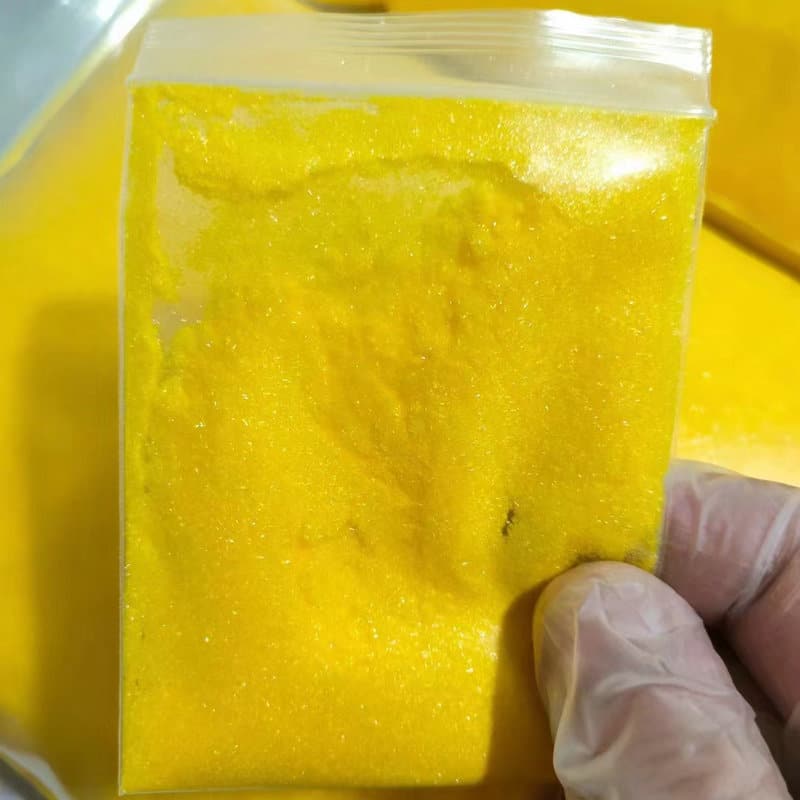
Retinol is an alcohol form of vitamin A and one of the best-known ingredients in over-the-counter anti-aging skincare products. It is a member of the retinoid family, which includes several compounds related to vitamin A.
When applied to the skin, retinol can be metabolized into retinal and subsequently into retinoic acid. Retinoic acid is the form that activates nuclear retinoic acid receptors involved in regulating cellular activity.
What Does Retinol Do for the Skin?
Retinol-containing formulations may help address several common skincare concerns:
Fine lines and wrinkles: Retinoid activity may help support processes involved in skin renewal and dermal collagen maintenance.
Uneven skin texture: Continued use may improve the appearance of rough or irregular skin.
Uneven pigmentation: Retinol may help reduce the appearance of some pigmentation irregularities.
Acne-prone skin: Retinoid activity can influence follicular keratinization, although prescription acne treatments have stronger clinical evidence.
Photoaging: Retinol is commonly included in products designed to improve visible sun-related skin aging.
Results vary according to concentration, formulation stability, frequency of application, and individual skin response. Not every over-the-counter retinol product has demonstrated significant improvements in controlled clinical trials.
What Is Retinal?
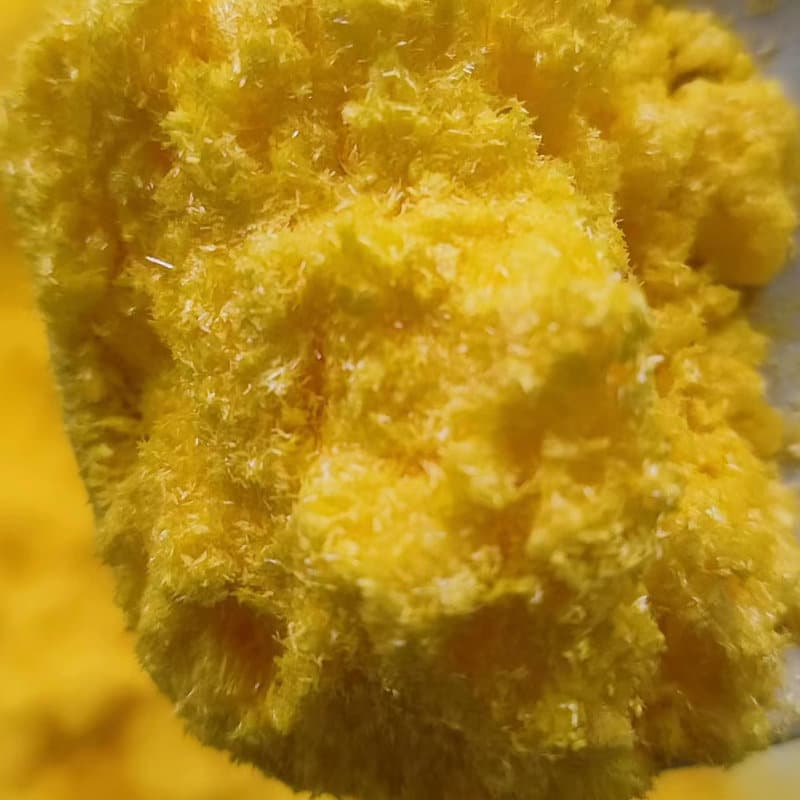
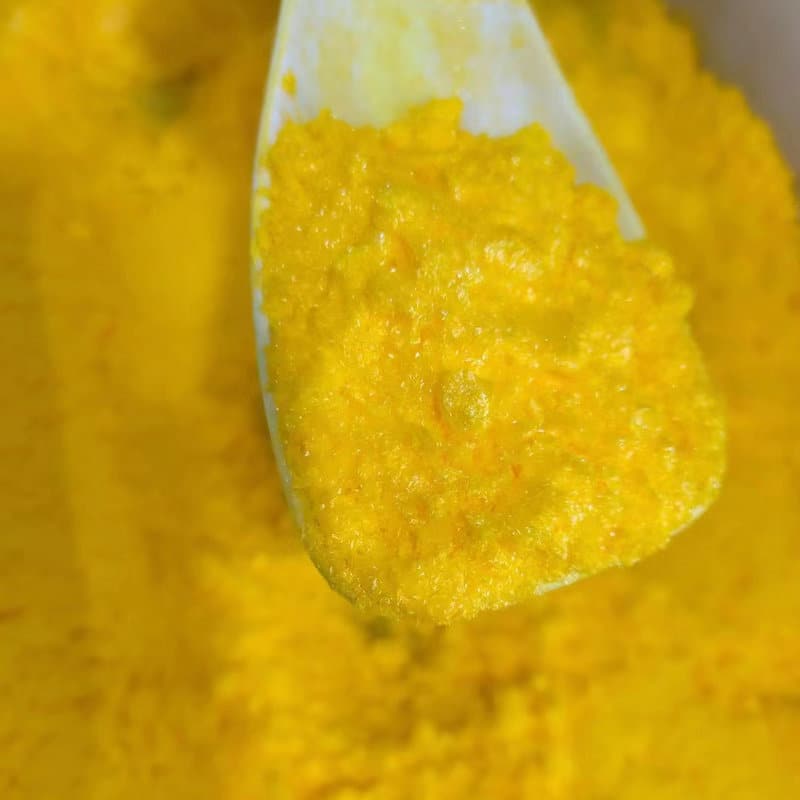
Retinal, also called retinaldehyde, is an aldehyde form of vitamin A. It is a natural intermediate in the conversion of retinol into retinoic acid.
Because retinal requires only one oxidation step to become retinoic acid, it is often described as a more direct cosmetic retinoid precursor.
Unlike retinoic acid itself, retinal must still undergo metabolic conversion to produce retinoic-acid-mediated activity. Research also indicates that a substantial portion of topical retinaldehyde may be converted into vitamin A storage forms rather than immediately becoming retinoic acid.
What Does Retinal Do for the Skin?
Clinical research has investigated retinaldehyde for its ability to influence epidermal activity and improve signs of photoaging. Potential skincare benefits include:
Improving the appearance of fine lines and wrinkles.
Supporting more even-looking skin texture.
Helping improve the appearance of photodamaged skin.
Supporting retinoid-associated skin renewal processes.
Providing an alternative to retinol in anti-aging formulations.
Retinal is also studied for properties relevant to blemish-prone skin, but it should not automatically be considered a replacement for an approved acne medication.
Published human studies have demonstrated biological activity and tolerability with specific retinaldehyde formulations, including products containing 0.05% and 0.1% retinaldehyde.
What Is the Main Chemical Difference Between Retinol and Retinal?
The most important chemical distinction lies in their functional groups.
Retinol contains an alcohol group (-OH), while retinal contains an aldehyde group (-CHO). This relatively small structural difference affects their metabolism and how they participate in vitamin A signaling pathways.
Retinol and Retinal Conversion Pathway
The simplified conversion pathway is:
Retinol → Retinal → Retinoic Acid
Retinol must undergo two enzymatic oxidation steps to reach retinoic acid. Retinal needs only the final oxidation step.
However, the metabolic pathway is regulated. Retinal can also be converted back into retinol or into retinyl esters for storage, so conversion is not necessarily complete or one-directional.
This explains why comparing cosmetic products solely by counting conversion steps can be misleading.
Is Retinal Stronger Than Retinol?
Retinal is generally considered a more direct retinoic acid precursor than retinol, but its clinical superiority is not established for every product or concentration.
Laboratory and human-skin studies have reported greater activity for retinaldehyde than retinol in certain biological markers. Nevertheless, these findings do not establish one universal potency multiplier that can be applied to commercially available products.
Some websites describe retinal as approximately 10 or 11 times stronger than retinol. Such numerical comparisons should not be treated as universally established clinical facts without specifying the experimental method and the products being compared.
Factors that influence performance include:
The actual concentration of active retinol or retinal.
Ingredient stability during manufacturing and storage.
The delivery system and overall formulation.
Skin penetration and metabolic conversion.
Application frequency and user tolerance.
The particular skin concern being treated.
For example, a well-formulated retinol product may produce more satisfactory results than a poorly stabilized retinal product.
Does Retinal Work Faster Than Retinol?
Retinal has a shorter metabolic pathway to retinoic acid, which provides a scientific rationale for its potential to act more directly.
However, a shorter biochemical conversion pathway does not prove a specific difference in the time required to see visible results.
For both retinol and retinal, improvements in the visible appearance of skin generally require consistent use over weeks to months.
The exact timeline depends on the formulation, the severity of the skin concern, and individual factors.
Early changes may include dryness or irritation rather than visible improvement. A consistent, tolerable routine is generally more useful than repeatedly increasing concentration.
Retinol vs Retinal for Wrinkles and Anti-Aging
Both retinol and retinal are used in cosmetic products intended to address wrinkles, fine lines, and photoaging.
Retinol for Anti-Aging
Retinol has been studied in cosmetic anti-aging preparations, and some clinical trials have demonstrated improvements in skin aging measures.
However, a systematic review of randomized controlled trials found that the overall evidence for over-the-counter retinol products was limited and inconsistent. These results highlight the importance of distinguishing an ingredient's biological potential from the demonstrated performance of an individual product.
Retinal for Anti-Aging
Retinaldehyde has shown biological activity in human skin, and clinical studies have evaluated its effects on wrinkles, roughness, and photoaging.
Retinal may be a reasonable option for people interested in a cosmetic vitamin A precursor closer to retinoic acid.
Nevertheless, available evidence does not justify the conclusion that every retinal product provides greater wrinkle reduction than every retinol product.
Which Is Better for Wrinkles?
Neither ingredient is universally superior. A suitable formulation that can be used consistently without excessive irritation may be the better choice.
People with more significant photoaging may benefit from professional dermatological advice about treatments with stronger clinical evidence, including prescription retinoids where appropriate.
Retinol vs Retinal for Acne-Prone Skin
Retinoids can help regulate processes related to clogged pores and abnormal follicular keratinization, making this ingredient family relevant to acne care.
Retinol is widely available in cosmetic skincare formulations, while retinal has also attracted interest for blemish-prone skin.
However, neither ingredient should be assumed to have the same acne-treatment evidence as approved topical medications such as adapalene or tretinoin.
If acne is moderate, severe, painful, persistent, or causing scars, consult a dermatologist rather than relying exclusively on cosmetic retinol or retinal products.
Which Causes More Irritation: Retinol or Retinal?
Both retinol and retinal can cause skin irritation. Common reactions include:
Dryness or tightness.
Redness.
Peeling or flaking.
Temporary burning or stinging.
Increased sensitivity during the adjustment period.
Although retinal is biochemically closer to retinoic acid, this does not automatically mean it will cause more irritation than retinol in a finished cosmetic formula.
Research has reported good tolerability for certain retinaldehyde preparations, while retinol may also cause substantial irritation depending on its concentration and delivery system.
For sensitive skin, the complete formulation and how the product is introduced are particularly important.
How to Choose Between Retinol and Retinal
Consider your previous experience with retinoids, the purpose of treatment, and how easily your skin becomes irritated.
| Skin Concern or Situation | Practical Consideration |
|---|---|
| First-time retinoid user | Consider a low-strength, well-formulated retinol product. |
| Previously tolerated retinol | Retinal may be worth considering as an alternative. |
| Fine lines and uneven texture | Either ingredient may be useful in an appropriate formulation. |
| Sensitive or easily irritated skin | Prioritize low-irritation formulations and gradual introduction. |
| Persistent or severe acne | Seek dermatological advice about evidence-based acne treatments. |
| Pregnancy or planning pregnancy | Avoid retinoids and discuss alternatives with a healthcare professional. |
How to Use Retinol or Retinal Safely
Proper application can improve tolerability and reduce unnecessary irritation.
Step 1: Choose One Retinoid Product
Start with either retinol or retinal rather than layering multiple retinoid products. Combining them generally increases total retinoid exposure without providing a clearly established additional benefit.
Step 2: Begin Gradually
For beginners, applying a low-strength product on two or three nonconsecutive nights per week is a cautious starting approach.
Increase frequency gradually only if the skin tolerates it. Follow the manufacturer's instructions and any advice from your dermatologist.
Step 3: Apply to Clean, Dry Skin
Use a thin layer according to the product directions. Avoid direct contact with the eyes, lips, and irritated or broken skin unless the product is specifically formulated and labeled for those areas.
Step 4: Use Moisturizer
A gentle moisturizer can help reduce dryness. People who experience irritation may benefit from applying moisturizer before or after their retinoid product, depending on formulation instructions.
Step 5: Protect Your Skin During the Day
Use broad-spectrum sunscreen with SPF 30 or higher, together with appropriate sun-protective measures. Sun protection is especially important when addressing photoaging and pigmentation.
Step 6: Monitor Your Skin's Response
If significant irritation occurs, reduce frequency or stop using the product. Persistent swelling, blistering, or severe burning warrants medical advice.
People who are pregnant or planning pregnancy should avoid retinoids. Breastfeeding individuals should discuss retinoid use with their healthcare professional.
Retinol vs Retinal: Stability and Cosmetic Formulation
In cosmetic manufacturing, effectiveness depends not only on the chemical identity of the active ingredient but also on its stability within the finished formulation.
Both retinol and retinal contain a conjugated molecular structure that can be susceptible to degradation under unfavorable processing or storage conditions, including exposure to light, oxygen, and heat.
Because instability can reduce the amount of active ingredient available over time, manufacturers should consider several formulation factors.
1. Light and Oxygen Protection
Suitable packaging and controlled manufacturing conditions may help protect vitamin A derivatives against degradation.
2. Encapsulation and Delivery Systems
Encapsulation and other delivery technologies may be used to improve formulation stability or alter the release of retinoid ingredients. Their effectiveness must be evaluated for the specific formulation.
3. Compatibility With Other Ingredients
Solvents, emollients, antioxidants, emulsifiers, and other formula components may influence retinoid stability and skin delivery.
4. Quality Control
Ingredient identity, purity, degradation products, and active concentration should be evaluated using suitable analytical methods.
For cosmetic ingredient buyers, documentation such as a Certificate of Analysis (COA), Technical Data Sheet (TDS), and Safety Data Sheet (SDS) can support raw-material qualification.
Manufacturers should also perform stability, compatibility, safety, and regulatory assessments of the final product before commercialization.
Frequently Asked Questions About Retinol and Retinal
1. Are retinol and retinal the same ingredient?
No. Both are vitamin A derivatives, but they have different chemical functional groups and CAS numbers. Retinol is an alcohol, while retinal is an aldehyde.
2. Is retinal better than retinol?
Not always. Retinal is one conversion step closer to retinoic acid, but clinical results depend on concentration, formulation, tolerability, and consistent application.
3. Is retinal stronger than retinol?
Retinal is generally considered a more direct retinoic acid precursor. However, a fixed potency ratio for all retinal and retinol skincare products is not supported by sufficiently consistent clinical evidence.
4. Can I use retinol and retinal together?
Using both in the same routine is generally unnecessary and may increase irritation. Most people are better served by choosing one appropriately formulated retinoid product unless a dermatologist recommends otherwise.
5. Does retinal work faster than retinol?
Retinal requires fewer metabolic conversion steps, but this does not guarantee faster visible results in every user. Comparative clinical performance depends on the actual products tested.
6. Is retinal suitable for sensitive skin?
Some retinaldehyde formulations have demonstrated good tolerability in clinical studies. Nevertheless, sensitive skin can react to either ingredient. Starting with a low-strength product and using it gradually is important.
7. Can I switch from retinol to retinal?
Yes, if your skin tolerates retinoids and you want to try a different formulation. Avoid assuming that percentages are directly interchangeable, and begin a new product cautiously.
8. Which is better for beginners, retinol or retinal?
Low-strength retinol is often a practical first option because it is widely available in many formulations. A gentle retinal product may also be suitable, depending on skin tolerance and formulation characteristics.
9. What is the difference between retinal and retinaldehyde?
Retinal and retinaldehyde are two names for the same chemical compound. In skincare, the names are generally used interchangeably.
10. Is retinal the same as Retin-A?
No. Retinal is retinaldehyde, while Retin-A is a brand name associated with tretinoin, which is retinoic acid. They are distinct substances.
11. How long does it take to see results from retinol or retinal?
Visible changes typically require consistent application over weeks to months. There is no single scientifically established timeline that applies to every formulation or individual.
12. Can retinol or retinal be used every night?
Some individuals can eventually tolerate nightly application, but frequency should be increased gradually. Daily use is not necessary for everyone, particularly those with sensitive or easily irritated skin.
Final Verdict: What Is the Difference Between Retinol and Retinal?
The fundamental difference between retinol and retinal is their chemical structure and position within the vitamin A metabolic pathway.
Retinol must convert into retinal and then into retinoic acid, while retinal requires only one conversion step to become retinoic acid.
Retinal is therefore a more direct precursor, but the scientific evidence does not support claiming that it is always superior to retinol in every cosmetic formulation.
For consumers, the best choice depends on skin concerns, tolerability, and the characteristics of the finished product. For cosmetic formulators and ingredient buyers, purity, stability, delivery technology, and reliable quality documentation are also important.
Ultimately, a well-formulated retinoid product used consistently and appropriately is more valuable than choosing an ingredient solely because of a marketing claim about its strength.
Scientific References
Sorg O, Didierjean L, Saurat JH. Metabolism of topical retinaldehyde. Dermatology. 1999. View publication.
Saurat JH et al. Topical retinaldehyde on human skin: biologic effects and tolerance. Journal of Investigative Dermatology. 1994. View publication.
Use of Retinoids in Topical Antiaging Treatments: A Focused Review of Clinical Evidence for Conventional and Nanoformulations. Advances in Therapy. 2022. Read the review.
Evidence for the Efficacy of Over-the-counter Vitamin A Cosmetic Products in the Improvement of Facial Skin Aging: A Systematic Review. 2021. Read the systematic review.
American Academy of Dermatology Association. Retinoid or retinol? Read dermatologist guidance.
American Academy of Dermatology Association. Dermatologist-approved pregnancy skin care. Read safety guidance.
Disclaimer: This article provides general educational information about cosmetic ingredients and is not a substitute for professional medical advice. Cosmetic claims, ingredient concentrations, and product applications must comply with applicable regulations.