Is Retinal a Retinoid? Understanding Retinal, Retinol, and Retinoic Acid
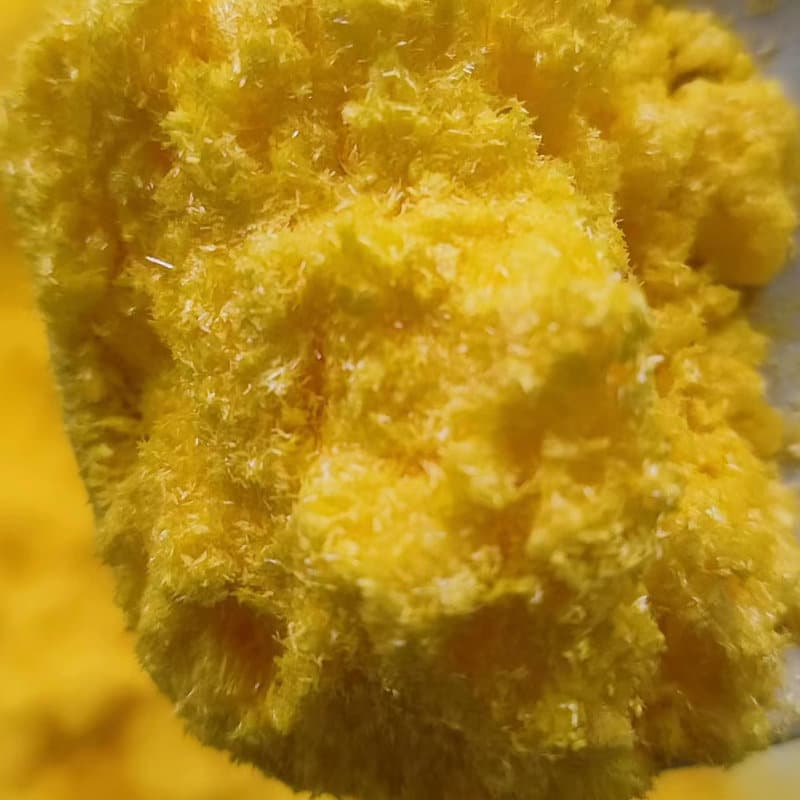
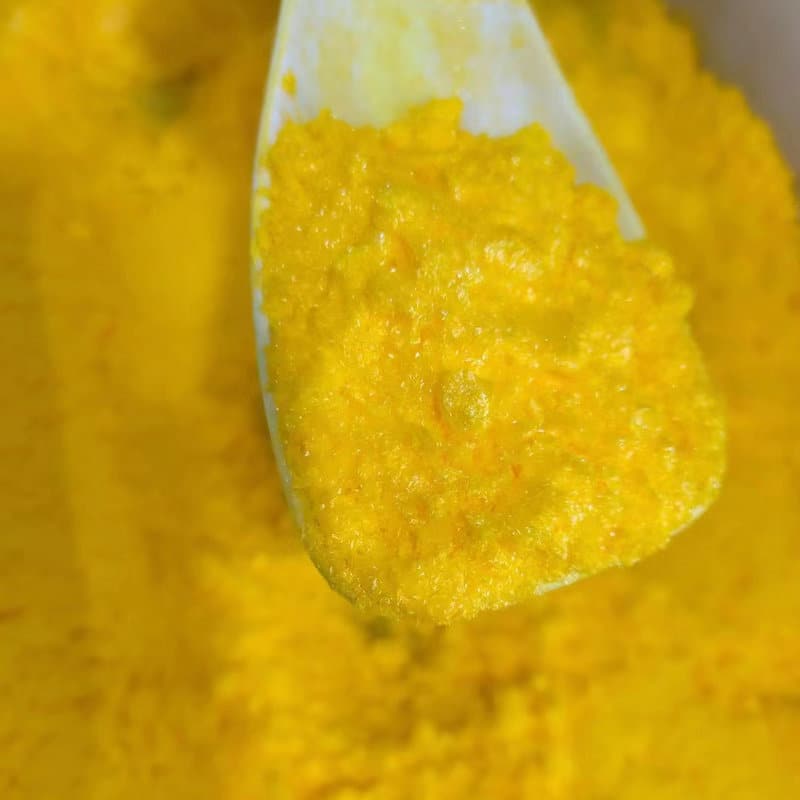
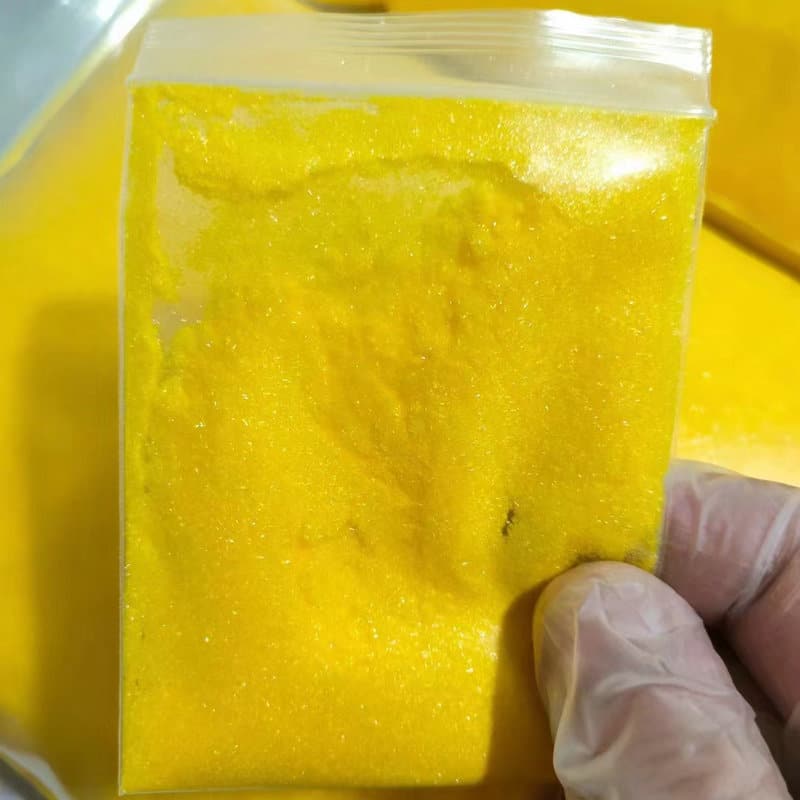
Yes, retinal is a retinoid. Retinal, also called retinaldehyde, is a vitamin A derivative belonging to the retinoid family. It is a naturally occurring intermediate in the conversion of retinol into retinoic acid, a biologically active form of vitamin A involved in skin cell regulation.
In skincare, retinal is valued for its potential to improve the appearance of fine lines, uneven texture, and signs of photoaging. Although it belongs to the same chemical family as retinol and tretinoin, retinal is not identical to either ingredient.
This guide explains what makes retinal a retinoid, how it works, how it compares with other vitamin A derivatives, and what research says about its benefits and safety.
What Is a Retinoid?
A retinoid is a compound related to vitamin A. The retinoid family includes naturally occurring forms of vitamin A, their metabolites, and synthetic compounds with related biological activity.
Retinoids are widely studied because of their involvement in skin cell differentiation, epidermal renewal, and other biological processes.
Common retinoids used in dermatology and cosmetic skincare include:
Retinyl esters: Vitamin A derivatives such as retinyl palmitate, which can serve as precursors to retinol.
Retinol: A vitamin A alcohol commonly found in cosmetic skincare products.
Retinal: An aldehyde form of vitamin A, also known as retinaldehyde.
Retinoic acid: A biologically active vitamin A metabolite. All-trans-retinoic acid is also known as tretinoin.
Adapalene: A synthetic retinoid used primarily for acne treatment.
Tazarotene: A synthetic retinoid used for certain dermatological conditions.
Therefore, retinal and retinol are both retinoids, but the word "retinoid" describes a much broader family of substances.
Why Is Retinal Classified as a Retinoid?
Retinal is classified as a retinoid because of its chemical relationship to vitamin A and its role in vitamin A metabolism.
Retinal contains an aldehyde functional group, distinguishing it chemically from retinol, which contains an alcohol functional group, and retinoic acid, which contains a carboxylic acid group.
The skin and other tissues can enzymatically convert certain vitamin A derivatives through the following pathway:
Retinol ↔ Retinal (Retinaldehyde) → Retinoic Acid
The conversion between retinol and retinal is reversible, while the physiological conversion of retinal to retinoic acid is generally irreversible.
Because retinal is a direct metabolic precursor of retinoic acid, it occupies an important position within the retinoid family.
However, the number of conversion steps should not be interpreted as a precise measurement of clinical strength. Enzyme activity, ingredient concentration, formulation, and individual skin characteristics can all influence the final response.
Retinal Chemical Properties and Identity
| INCI Name | Retinal |
|---|---|
| Common Name | Retinaldehyde |
| Chemical Family | Retinoids (Vitamin A derivatives) |
| CAS Number | 116-31-4 (All-trans-retinal) |
| Molecular Formula | C20H28O |
| Molecular Weight | 284.44 g/mol |
| Functional Group | Aldehyde |
| Primary Cosmetic Interest | Visible signs of skin aging and uneven texture |
These details describe all-trans-retinal, the form commonly discussed in cosmetic ingredient applications. Other retinal isomers also exist and have important biological functions, especially in vision.
Is Retinal the Same as Retinol?
No. Retinal and retinol are different molecules, although both belong to the retinoid family.
The principal chemical difference is that retinol is an alcohol while retinal is an aldehyde. Their positions in the vitamin A metabolic pathway also differ.
Retinol must first undergo oxidation to retinal before it can be converted into retinoic acid. Retinal is already the immediate precursor of retinoic acid.
Retinal vs. Retinol vs. Retinoic Acid
| Feature | Retinol | Retinal | Retinoic Acid (Tretinoin) |
|---|---|---|---|
| Retinoid? | Yes | Yes | Yes |
| Chemical Form | Alcohol | Aldehyde | Carboxylic acid |
| Conversion to Retinoic Acid | Two oxidation steps | One oxidation step | Already active |
| Typical Application | Cosmetic skincare | Cosmetic skincare | Prescription dermatology |
| Irritation Potential | Possible | Possible | Possible; may be substantial |
| Clinical Evidence | Evidence for photoaging benefits | Evidence for photoaging benefits | Extensive clinical evidence |
Important: Retinal may offer practical advantages over retinol in some formulations, but it is not scientifically accurate to say that every retinal product is automatically stronger, faster, or more effective than every retinol product.
The final performance depends on the complete formulation, concentration, stability, delivery system, and frequency of application.
How Does Retinal Work on Skin?
When retinal is applied to the skin, enzymes in skin cells can convert some of it into retinoic acid. Retinoic acid interacts with nuclear retinoic acid receptors and helps regulate the expression of genes involved in skin biology.
This signaling pathway is associated with processes such as epidermal differentiation, skin renewal, and structural changes in photoaged skin.
Research also indicates that topically applied retinal may be metabolized into retinol and retinyl esters rather than being entirely converted into retinoic acid.
This regulated metabolism is one reason retinal should not be treated as equivalent to applying tretinoin directly.
What Are the Skin Benefits of Retinal?
Clinical research suggests that appropriately formulated retinaldehyde products may help improve several visible signs of photoaging.
1. Improves the Appearance of Fine Lines
Retinoid signaling contributes to processes associated with the maintenance and remodeling of aging skin. Clinical studies of topical retinaldehyde have reported improvements in skin texture and certain photoaging measurements.
2. Helps Improve Uneven Skin Texture
Retinal-containing formulations have been investigated for their effects on roughness and texture. Improvements may develop with consistent use over several weeks or months.
3. May Improve Uneven Skin Tone
Some research suggests that retinaldehyde can improve measures related to pigmentation. However, results vary, and the supporting evidence is less extensive than for certain prescription retinoids.
4. May Support Acne-Prone Skin
Retinoids are widely used in acne management because they influence follicular keratinization and skin cell turnover.
However, retinal-specific clinical evidence for treating acne is more limited than the evidence for approved acne treatments such as adapalene and tretinoin. Retinal cosmetics should not be represented as equivalent to these medications.
What Does Clinical Research Show?
A 2018 clinical study evaluated creams containing 0.05% and 0.1% retinaldehyde in 40 female participants over three months.
Both groups showed improvements in several measures of skin texture and hydration. The 0.1% group also showed a statistically significant improvement in the study's melanin index measurement.
However, the study did not demonstrate statistically significant differences between the two concentrations for several measured outcomes. Its limited sample size and specific study design should be considered when interpreting the results.
Source: Kwon et al., Journal of Cosmetic Dermatology, 2018.
Is Retinal Stronger Than Other Retinoids?
There is no single scientifically valid strength ranking that applies to every retinoid product.
Retinal is chemically closer to retinoic acid than retinol in the natural conversion pathway, but molecular proximity alone does not establish clinical superiority.
For example, a well-formulated retinol product may perform differently from a poorly stabilized retinal product. Similarly, prescription retinoids differ substantially in their receptor activity, clinical indications, and tolerability.
A more useful approach is to compare products using clinical evidence, intended use, ingredient concentration, formulation quality, and individual tolerance.
Does Retinal Cause Skin Irritation?
Yes, retinal can cause skin irritation, even though clinical studies have reported favorable tolerability with some retinaldehyde formulations.
Possible reactions include:
Dryness and tightness
Redness
Peeling or flaking
Burning or stinging sensations
Temporary worsening of skin sensitivity
The risk depends on individual skin condition, concentration, formulation, frequency of use, and other skincare products used at the same time.
Having fewer metabolic conversion steps does not mean retinal is automatically more irritating than retinol.
How to Use Retinal Safely in a Skincare Routine
For people who are suitable candidates for retinoid skincare, a gradual introduction can help reduce irritation.
Start gradually: Introduce retinal on two or three nonconsecutive evenings per week, or less frequently if directed by the product instructions or a dermatologist.
Apply to clean, dry skin: Follow the manufacturer's recommended quantity and application method.
Use moisturizer: A simple, fragrance-free moisturizer can help support the skin barrier.
Avoid unnecessary combinations: Introducing multiple retinoids or strong exfoliating products simultaneously may increase irritation.
Protect your skin: Use broad-spectrum sunscreen with SPF 30 or higher during the day.
Monitor tolerance: Reduce application frequency or discontinue use if persistent irritation develops, and consult a dermatologist when needed.
Pregnancy precaution: Retinal is a retinoid and should be avoided during pregnancy. People who are pregnant or planning pregnancy should discuss their skincare ingredients with a qualified healthcare professional. Those who are breastfeeding should also seek individualized advice before using retinoids.
Is Retinal Suitable for Sensitive Skin?
Some people with sensitive skin may tolerate carefully formulated retinal products, but others may experience irritation.
There is no guarantee that retinal is appropriate for every sensitive skin type.
People with eczema, rosacea, a damaged skin barrier, or substantial existing inflammation should consult a dermatologist before introducing retinal.
Lower concentrations and gradual introduction may improve tolerability, but formulation characteristics can be just as important as the percentage printed on the packaging.
Is Retinal a Natural or Synthetic Retinoid?
Retinal is a naturally occurring vitamin A derivative found in biological systems. It plays an essential role in the visual cycle, particularly in the form of 11-cis-retinal.
However, the presence of retinal in nature does not mean that every commercial retinal ingredient is extracted from natural biological sources.
Cosmetic raw materials may be manufactured through chemical processes and subsequently purified and formulated for their intended applications.
The manufacturing origin, chemical identity, purity, and stability of a particular retinal ingredient should be confirmed using its technical documentation.
Retinal vs. Retinoid: Which Should You Choose?
The comparison is not between two separate ingredients. Retinal is one specific type of retinoid, while retinoid is the name of the broader chemical family.
For cosmetic skincare focused on visible skin aging, retinal or retinol may be considered depending on the formulation and individual tolerance.
For moderate or severe acne or other dermatological conditions, a dermatologist may recommend a medication with stronger condition-specific clinical evidence.
Rather than searching for the strongest possible retinoid, it is generally more useful to identify an appropriate, evidence-supported product that can be used consistently without excessive irritation.
Frequently Asked Questions About Retinal and Retinoids
Is retinal considered a retinoid?
Yes. Retinal, or retinaldehyde, is a naturally occurring vitamin A derivative and belongs to the retinoid family.
Is retinal a retinoid or a retinol?
Retinal is a retinoid, but it is not retinol. Both are distinct compounds within the broader retinoid family.
Is retinal the same as retinaldehyde?
Yes. Retinal and retinaldehyde are two names for the same aldehyde form of vitamin A. Specific isomers, such as all-trans-retinal and 11-cis-retinal, should be distinguished when chemical identity matters.
Is retinal the same as tretinoin?
No. Retinal is a precursor that can be converted into retinoic acid. Tretinoin is all-trans-retinoic acid itself and is used as a prescription medication in many jurisdictions.
Is retinal a prescription retinoid?
Retinal is commonly found in cosmetic skincare products. Whether a particular retinal product is regulated as a cosmetic or medicine depends on its formulation, claims, and local regulations.
Is retinal more effective than retinol?
Retinal is one metabolic step closer to retinoic acid, but this does not prove that every retinal formulation is more effective than every retinol formulation. Direct comparative clinical evidence remains limited.
Can retinal and retinol be used together?
Both belong to the retinoid family. Using separate retinal and retinol products together is usually unnecessary and may increase irritation. A combined formulation specifically developed and tested for tolerability is a different situation.
Can retinal be used every night?
Some people eventually tolerate nightly use, but the appropriate frequency depends on product instructions, concentration, skin tolerance, and professional advice. Beginners should generally introduce it gradually.
Can retinal help with wrinkles?
Clinical studies suggest that some topical retinaldehyde formulations can improve the appearance of photoaged skin, including texture and certain wrinkle-related measurements. Results vary, and improvement is not guaranteed.
Is retinal suitable during pregnancy?
No. As a precaution, retinoid skincare products, including retinal, should be avoided during pregnancy.
Final Answer: Is Retinal a Retinoid?
Yes. Retinal is a retinoid and a vitamin A derivative. It is also known as retinaldehyde and functions as an intermediate between retinol and retinoic acid in vitamin A metabolism.
Its position in this pathway makes retinal an important ingredient in cosmetic retinoid research. Clinical studies support its potential to improve some signs of photoaging, but effectiveness and tolerability depend on the specific formulation and how it is used.
The most important distinction is simple: retinal is one member of the retinoid family, not a separate category outside it.
Scientific References
Mambwe B, et al. Cosmetic retinoid use in photoaged skin: A review of the compounds, their use and mechanisms of action. International Journal of Cosmetic Science. Read study.
Use of Retinoids in Topical Antiaging Treatments: A Focused Review of Clinical Evidence for Conventional and Nanoformulations. Read review.
Kwon HS, et al. Efficacy and safety of retinaldehyde 0.1% and 0.05% creams used to treat photoaged skin. Journal of Cosmetic Dermatology. 2018. Read trial.
Generation of Retinaldehyde for Retinoic Acid Biosynthesis. Biomolecules. 2020. Read research.
American Academy of Dermatology. Retinoid or Retinol? Read guidance.
American Academy of Dermatology. Dermatologist-Approved Pregnancy Skin Care. Read safety guidance.
Educational information only. This article does not replace individualized dermatological advice. Published research reflects the formulations and conditions studied and should not be interpreted as proof of identical performance for every retinal product.