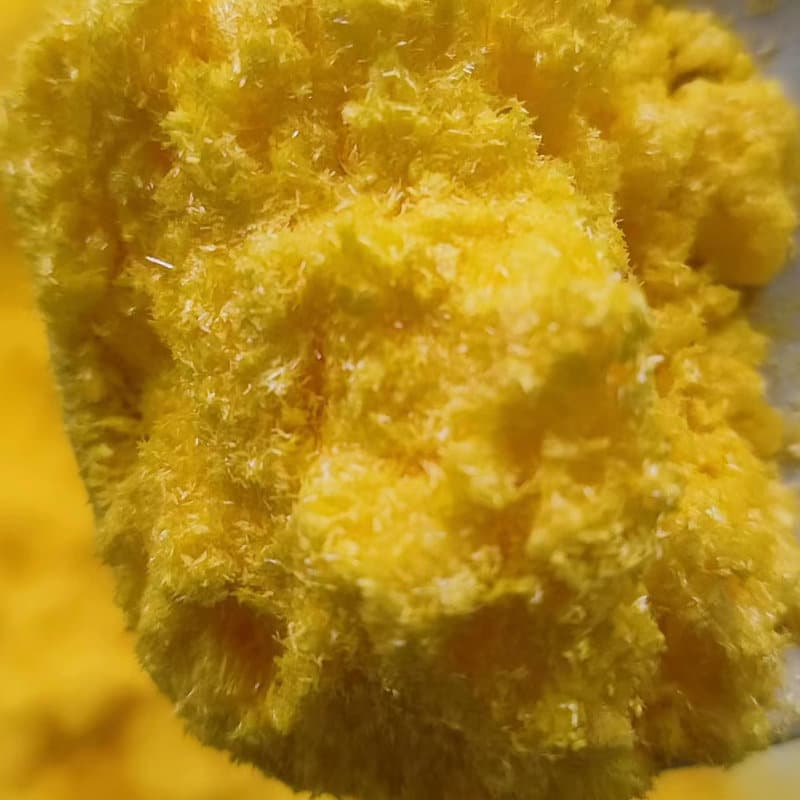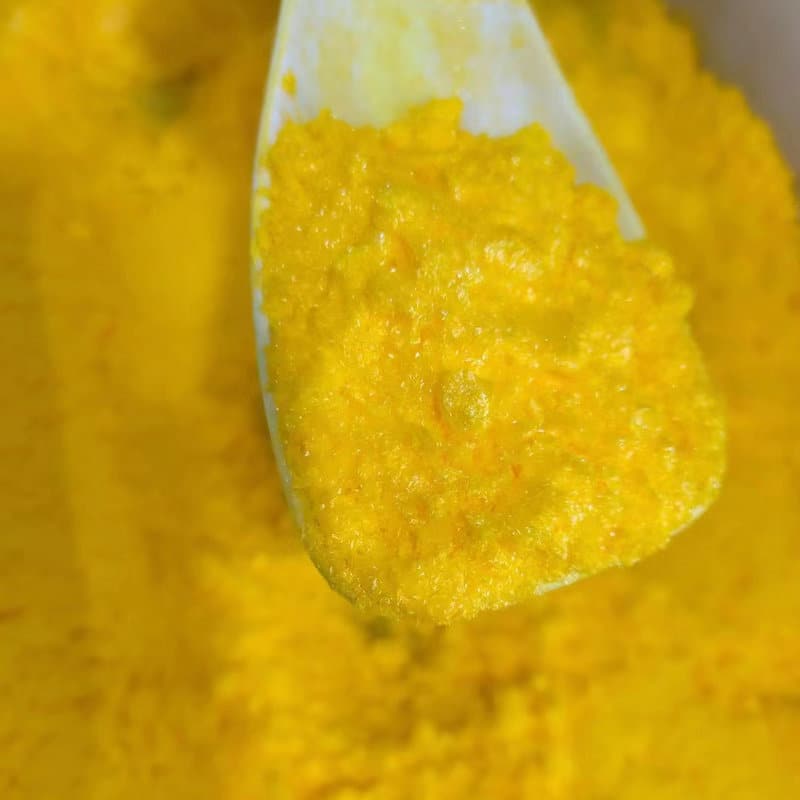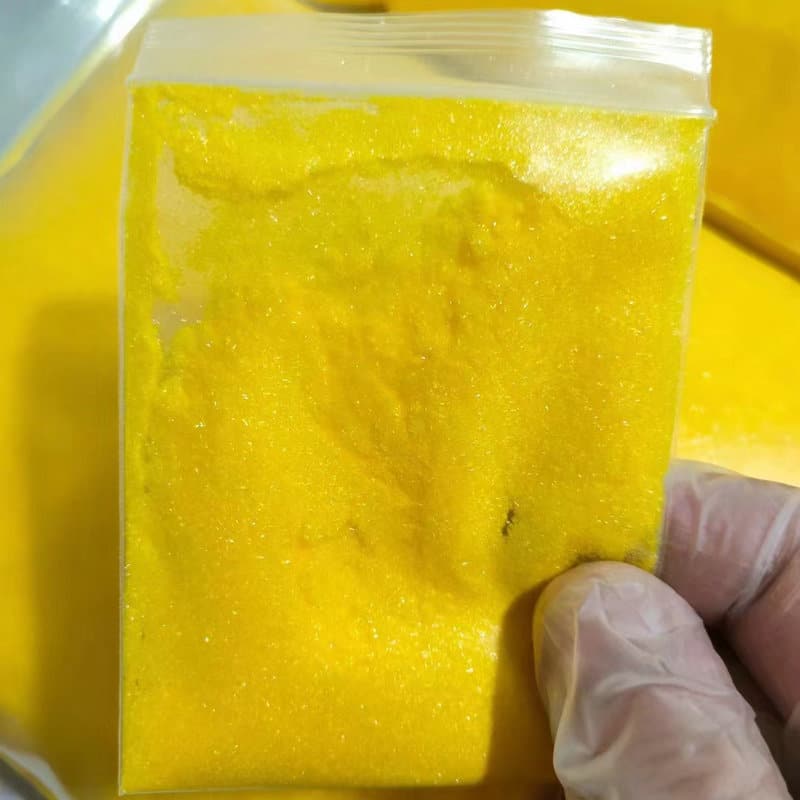
Retinol and Retinal: Differences, Benefits, and Which One Should You Choose?
Retinol and retinal are two popular vitamin A derivatives used in skincare products to address fine lines, wrinkles, uneven skin tone, and rough texture. Although their names sound similar, they are not the same ingredient. Their main difference lies in how they are converted into retinoic acid, the biologically active form involved in many of their effects on the skin.
Quick answer: Retinol requires two conversion steps to become retinoic acid, while retinal (also called retinaldehyde) requires only one. This places retinal closer to the active form of vitamin A. However, retinal is not automatically better for everyone. The formulation, concentration, skin tolerance, and consistency of use all influence the final results.
What Are Retinol and Retinal?
Retinol and retinal belong to a family of vitamin A compounds called retinoids. Retinoids are widely studied for their role in skin renewal and the treatment of visible signs of photoaging.
What Is Retinol?
Retinol, also known as vitamin A alcohol or all-trans-retinol, is one of the most widely used cosmetic retinoids. Its CAS number is 68-26-8, and its molecular formula is C20H30O.
After topical application, retinol can be converted into retinal and subsequently into retinoic acid through enzymatic processes in the skin.
Retinol is commonly used in cosmetic products designed to:
Reduce the appearance of fine lines and wrinkles.
Improve uneven skin tone and texture.
Support the appearance of smoother skin.
Address some visible signs of sun-related skin aging.
Retinol is available in many serums, creams, and lotions. Its wide availability makes it a practical option for people beginning a retinoid skincare routine.
What Is Retinal?
Retinal, also called retinaldehyde or vitamin A aldehyde, is another member of the retinoid family. Its CAS number is 116-31-4, and its molecular formula is C20H28O.
Retinal is the intermediate compound between retinol and retinoic acid in the vitamin A metabolic pathway.
Because retinal needs only one additional oxidation step to form retinoic acid, it is often described as a more directly acting cosmetic retinoid precursor.
Clinical research has investigated retinaldehyde-containing products for improving skin roughness, fine wrinkles, and other visible signs of photoaging.
However, the shorter metabolic pathway should not be interpreted as proof that every retinal formulation produces better or faster clinical results than every retinol formulation.
Retinol vs Retinal: Key Differences at a Glance
The following comparison summarizes the chemical and practical differences between retinol and retinal.
| Feature | Retinol | Retinal |
|---|---|---|
| Alternative name | Vitamin A alcohol | Retinaldehyde |
| CAS number | 68-26-8 | 116-31-4 |
| Molecular formula | C20H30O | C20H28O |
| Molecular weight | 286.46 g/mol | 284.44 g/mol |
| Functional group | Alcohol | Aldehyde |
| Conversion to retinoic acid | Two steps | One step |
| Anti-aging applications | Yes | Yes |
| Irritation potential | Can cause dryness and irritation | Can cause dryness and irritation |
| Formulation considerations | Requires stability protection | Requires stability protection |
| Typical positioning | Widely used cosmetic retinoid | Alternative closer to retinoic acid |
Important: Neither the conversion-step count nor the concentration printed on a product label can independently predict its clinical performance.
How Do Retinol and Retinal Work in the Skin?
Understanding the vitamin A conversion pathway helps explain why retinol and retinal have different chemical roles.
The Vitamin A Conversion Pathway
Retinol → Retinal (Retinaldehyde) → Retinoic Acid
Retinol is first oxidized to retinal. Retinal can then be oxidized to retinoic acid. Retinoic acid interacts with nuclear retinoic acid receptors involved in regulating gene expression and skin biology.
The conversion and storage pathways are regulated by enzymes and vary according to cellular conditions.
Although the pathway is often presented as a simple sequence, the metabolism of topical retinoids in living skin is more complex. Retinal may also be converted back to retinol or into stored retinyl esters.
Why Does the Conversion Pathway Matter?
Retinal is chemically closer to retinoic acid, which offers a plausible explanation for its relatively high biological activity among cosmetic retinoid precursors.
However, clinical effectiveness depends on several factors:
The concentration of the active ingredient.
The stability of the finished formulation.
The amount of ingredient delivered into the skin.
The conversion activity of skin enzymes.
The frequency and duration of application.
Individual skin tolerance.
Therefore, statements that retinal is always ten or eleven times stronger than retinol should not be treated as universal clinical facts. A numerical comparison requires a clearly defined measurement method and comparable formulations.
Which Is Better for Wrinkles and Anti-Aging?
Both retinol and retinal have evidence supporting their use in cosmetic anti-aging skincare. Neither ingredient can be declared the best choice for every individual.
Retinol for Fine Lines and Skin Texture
Retinol has been widely investigated as a topical ingredient for improving visible signs of photoaging.
Regular use of an appropriately formulated retinol product may help improve:
Fine wrinkles and uneven surface texture.
The appearance of rough or dull skin.
Some pigmentation irregularities associated with photoaging.
Visible improvements generally require consistent use over a period of weeks to months rather than days.
Retinal for Photoaged Skin
Retinaldehyde has also been evaluated in clinical studies.
A randomized controlled clinical trial published in 2018 investigated 0.05% and 0.1% retinaldehyde creams in 40 female volunteers over three months. Both formulations improved measures of skin texture and hydration, while the 0.1% formulation also improved the measured melanin index.
Another clinical investigation compared retinaldehyde with retinoic acid in people with photodamaged skin and reported improvements in wrinkle and roughness measurements, with better local tolerability for retinaldehyde than retinoic acid.
These studies support retinaldehyde as a useful cosmetic retinoid, but they do not prove that it is superior to retinol at every concentration or in every formulation.
Which One Should You Choose for Anti-Aging?
If you are new to retinoid skincare, a low-strength, well-formulated retinol product may be a reasonable starting option.
If you have previously tolerated retinoid products and want to explore another cosmetic vitamin A ingredient, retinal may be worth considering.
The best long-term choice is generally the product that delivers meaningful benefits without causing persistent irritation.
Is Retinal Stronger Than Retinol?
Retinal is generally considered a more direct precursor to retinoic acid than retinol because it requires one fewer oxidation step.
However, the term "stronger" can refer to different properties, including biological activity, clinical effectiveness, concentration, or skin irritation.
These properties are related but not identical.
For example, a properly stabilized retinol formulation may perform better than a retinal formulation with poor stability or delivery characteristics.
It is also important to distinguish retinal from prescription tretinoin, which is retinoic acid itself and has a more extensive clinical evidence base for certain dermatological uses.
Retinol vs Retinal for Acne and Blemish-Prone Skin
Retinoids are important in dermatology, particularly for acne management and the regulation of abnormal follicular keratinization.
Retinol and retinal are used in cosmetic products marketed toward blemish-prone skin, but they should not be considered interchangeable with established acne medications such as adapalene or prescription tretinoin.
For occasional blemishes and uneven texture, a cosmetic retinoid may be considered as part of a skincare routine.
For persistent, inflammatory, or scarring acne, a dermatologist can recommend treatments supported by stronger acne-specific clinical evidence.
Can You Use Retinol and Retinal Together?
Although retinol and retinal belong to the same metabolic pathway, using both in the same skincare routine is usually unnecessary.
Applying separate retinol and retinal products together can increase the overall retinoid exposure and may raise the risk of dryness, redness, peeling, and discomfort.
For most users, choosing one retinoid product and gradually developing tolerance is the simpler approach.
If you are changing from retinol to retinal, introduce the new product cautiously rather than immediately combining both at full frequency.
Products formulated with multiple retinoid ingredients should be evaluated according to their complete formulation and usage instructions, not simply by the names of their individual ingredients.
How to Use Retinol or Retinal Safely
Both ingredients may cause irritation when introduced too quickly. A gradual routine can help improve tolerability.
Step 1: Start with a Gentle Cleanser
Wash your face with a mild cleanser and gently dry your skin before applying your retinoid product.
Step 2: Apply a Small Amount
Follow the manufacturer's instructions. For many facial retinoid creams, a pea-sized amount is sufficient for the entire face.
Avoid applying the product directly to the eyes, lips, or irritated skin unless the specific formulation is intended for those areas.
Step 3: Introduce the Product Gradually
Consider starting with one or two evenings per week, then increasing the frequency as tolerated.
If redness, peeling, or persistent discomfort develops, reduce the frequency or stop application and seek professional advice if necessary.
Step 4: Use Moisturizer
A gentle moisturizer can support the skin barrier and help minimize dryness.
Some users may benefit from applying moisturizer before or after a retinoid, depending on skin tolerance and the product instructions.
Step 5: Protect Your Skin from Sun Exposure
Use broad-spectrum sunscreen with SPF 30 or higher during the day, together with other sun-protection measures.
Many dermatologists recommend applying retinoids at night as part of a consistent skincare routine.
Pregnancy precaution: Retinoids should be avoided during pregnancy. Anyone who is pregnant, planning pregnancy, or breastfeeding should consult a qualified healthcare professional before considering retinoid skincare.
Potential Side Effects of Retinol and Retinal
Both retinol and retinal can cause temporary or persistent adverse skin reactions, particularly when concentrations or application frequencies exceed an individual's tolerance.
Possible reactions include:
Dryness and tightness.
Redness and irritation.
Peeling or flaking.
Burning or stinging sensations.
Increased discomfort when combined with other irritating skincare products.
Clinical studies have shown that retinol and retinaldehyde can have favorable tolerability profiles compared with topical retinoic acid under certain tested conditions.
However, neither ingredient is guaranteed to be non-irritating. Skin type, formulation, concentration, and frequency of use must all be considered.
Retinol and Retinal in Cosmetic Formulations
Beyond consumer skincare selection, retinol and retinal are also important cosmetic raw materials for manufacturers and formulators.
Both are chemically sensitive compounds, and their performance in finished products depends partly on appropriate formulation and stability control.
Formulation Stability
Retinoid stability can be affected by environmental factors such as light, oxygen, and temperature.
Depending on the ingredient and formulation, manufacturers may consider:
Light-protective packaging.
Controlled exposure to oxygen.
Compatible solvents and carrier systems.
Suitable antioxidants and stabilizing ingredients.
Appropriate processing and storage conditions.
Accelerated and real-time stability testing.
Encapsulation and specialized delivery systems are sometimes explored to improve the protection and performance of sensitive retinoid ingredients.
Nevertheless, claims of improved stability must be supported by testing on the specific formulation.
Raw Material Quality Documentation
For cosmetic manufacturers purchasing retinol or retinal raw materials, important quality considerations include identity, purity, impurity profiles, storage requirements, and batch consistency.
Common supporting documents include:
Certificate of Analysis (COA).
Safety Data Sheet (SDS).
Technical Data Sheet (TDS).
Product specifications.
Analytical testing information, where available.
For high-purity retinoid raw materials, methods such as HPLC may be used for identity or purity assessment according to an appropriate validated analytical procedure.
Raw material purity alone does not establish the safety, stability, or efficacy of a finished cosmetic product.
Frequently Asked Questions About Retinol and Retinal
1. Are retinol and retinal the same thing?
No. Retinol is vitamin A alcohol, while retinal is vitamin A aldehyde, also known as retinaldehyde. They are chemically related but have different molecular structures and positions in the vitamin A conversion pathway.
2. Is retinal better than retinol?
Not necessarily. Retinal requires fewer conversion steps to become retinoic acid, but this does not guarantee superior results in every finished product. Formulation quality, concentration, and individual tolerance matter.
3. Is retinal stronger than retinol?
Retinal is closer to the biologically active form of vitamin A and is often described as having greater potential activity. However, there is no universal strength multiplier applicable to all retinol and retinal skincare products.
4. Can I use retinol and retinal on the same night?
It is generally unnecessary to layer separate retinol and retinal products on the same night. Doing so may increase irritation without establishing additional benefits.
5. Which is better for beginners?
A low-strength, well-formulated retinol product is a reasonable starting option for many beginners. However, skin sensitivity and formulation characteristics are more important than assuming one retinoid is always gentle.
6. How long do retinol and retinal take to work?
Visible changes often require several weeks to months of consistent application. Clinical retinaldehyde studies have evaluated outcomes at approximately three to four months and longer. Individual results vary, and faster results cannot be guaranteed solely from the shorter conversion pathway.
7. Can retinol and retinal help with dark spots?
Both are used in products intended to improve uneven skin tone and photoaging-related pigmentation. Their effectiveness depends on the specific formulation and cause of pigmentation. Persistent or unusual pigmentation should be evaluated professionally.
8. Are retinal and retinaldehyde different ingredients?
No. In cosmetic ingredient terminology, retinal and retinaldehyde refer to the same vitamin A aldehyde compound.
9. Is Retin-A the same as retinal?
No. Retin-A is a brand name associated with tretinoin, which is retinoic acid. Retinal is a precursor that can be converted into retinoic acid in the skin.
10. Should I switch from retinol to retinal?
Switching may be worth considering if you are seeking an alternative cosmetic retinoid and already tolerate your current routine. However, switching is not automatically necessary if your existing retinol product provides satisfactory results.
Final Verdict: Retinol or Retinal?
Retinol and retinal are closely related vitamin A derivatives, but their differences extend beyond their similar names.
Retinol requires two conversion steps to form retinoic acid, whereas retinal requires only one. This difference helps explain their respective positions in the retinoid family.
Both ingredients have potential benefits for the appearance of aging skin, and both require careful formulation and appropriate use.
For consumers: Choose an appropriately formulated product that matches your skin's needs and tolerance. Consistency, moisturizing, and daily sun protection are more important than selecting an ingredient based solely on claims of greater strength.
For cosmetic formulators: Evaluate ingredient specifications, stability, compatibility, and finished-product performance before selecting retinol or retinal for a particular formulation.
Scientific References
Mukherjee S, et al. Retinoids in the treatment of skin aging: an overview of clinical efficacy and safety. Clinical Interventions in Aging. 2006. Read study.
Use of Retinoids in Topical Antiaging Treatments: A Focused Review of Clinical Evidence for Conventional and Nanoformulations. 2022. Read review.
Kwon HS, et al. Efficacy and safety of retinaldehyde 0.1% and 0.05% creams used to treat photoaged skin: A randomized double-blind controlled trial. Journal of Cosmetic Dermatology. 2018. Read study.
Fluhr JW, et al. Tolerance profile of retinol, retinaldehyde and retinoic acid under maximized and long-term clinical conditions. Dermatology. 1999. Read study.
American Academy of Dermatology Association. Retinoid or retinol? Read dermatology guidance.