Retinol v Retinal: What Is the Difference and Which Is Better for Your Skin?
Retinol v retinal: which one should you choose? Both are vitamin A derivatives used in skincare to address fine lines, wrinkles, uneven skin tone, and photoaging. The main difference is how they are converted into retinoic acid, the biologically active form responsible for many of their skin-related effects.
Retinal (retinaldehyde) is one conversion step away from retinoic acid, whereas retinol requires two steps. This gives retinal a more direct metabolic pathway and suggests greater biological activity under certain conditions. However, the actual results depend on the concentration, formulation, stability, skin tolerance, and consistency of use.
In this guide, we compare retinol and retinal based on their chemistry, scientific evidence, benefits, side effects, and practical applications to help you decide which ingredient may be more suitable for your skincare routine.
Retinol vs Retinal: Quick Comparison
| Feature | Retinol | Retinal |
|---|---|---|
| Alternative name | Vitamin A alcohol | Retinaldehyde |
| CAS number | 68-26-8 | 116-31-4 |
| Molecular formula | C20H30O | C20H28O |
| Molecular weight | 286.46 g/mol | 284.44 g/mol |
| Functional group | Alcohol (-OH) | Aldehyde (-CHO) |
| Conversion to retinoic acid | Two oxidation steps | One oxidation step |
| Relative biological activity | Generally lower in the conversion pathway | Generally higher in the conversion pathway |
| Anti-aging applications | Fine lines, wrinkles, and uneven texture | Fine lines, wrinkles, and uneven texture |
| Potential irritation | Dryness, redness, and peeling | Dryness, redness, and peeling |
| Best for | People seeking a gradual introduction | People seeking an alternative with a shorter activation pathway |
| Availability | Common in OTC skincare | Available in OTC skincare |
Key takeaway: Retinal is closer to retinoic acid in the skin's conversion pathway, but this does not mean that every retinal product will outperform every retinol product. Formulation quality and individual skin response remain important.
What Is Retinol?
Retinol is a form of vitamin A belonging to the retinoid family. It is widely used in cosmetic formulations, including facial serums, creams, lotions, and anti-aging skincare products.
After entering the skin, retinol can be oxidized into retinaldehyde and subsequently into retinoic acid. Retinoic acid interacts with nuclear retinoic acid receptors to regulate processes involved in skin cell differentiation and extracellular matrix maintenance.
Retinol-containing products have been studied for their potential to improve signs of photoaging, such as uneven pigmentation, skin roughness, and fine wrinkles.
Although retinol has substantial research interest, the evidence varies among cosmetic formulations. Some controlled studies have shown improvements in skin aging, while others have not demonstrated statistically significant superiority over their vehicle formulations.
Potential Benefits of Retinol
May improve the appearance of fine lines and wrinkles.
May help improve uneven skin texture.
May reduce the appearance of some pigmentation irregularities.
Supports retinoid-related processes associated with skin renewal.
Offers a widely available entry point into vitamin A skincare.
Retinol is commonly chosen by individuals beginning a retinoid routine, although the formulation and concentration should be selected according to skin sensitivity.
What Is Retinal?
Retinal, also known as retinaldehyde, is another vitamin A derivative. Chemically, it contains an aldehyde functional group rather than the alcohol group found in retinol.
Retinal occupies an intermediate position between retinol and retinoic acid in the vitamin A metabolic pathway.
Because retinal requires only one oxidation step to form retinoic acid, it is often described as a more direct precursor than retinol.
Research has demonstrated that topical retinaldehyde can produce biological effects associated with retinoid activity. Clinical studies have also investigated retinaldehyde for the management of photoaged skin.
Potential Benefits of Retinal
May improve fine lines and visible wrinkles.
May improve skin surface roughness.
May help address uneven texture and photoaging.
Offers a shorter metabolic pathway to retinoic acid.
Can be well tolerated in appropriately formulated products.
Retinal is particularly interesting for skincare formulators because it offers a balance between retinoid activity and the possibility of acceptable skin tolerance.
Retinol v Retinal: How Do They Work Differently?
The most important biochemical difference between retinol and retinal is the number of oxidation steps required to produce retinoic acid.
Retinoid Conversion Pathway
Retinyl esters → Retinol → Retinal → Retinoic Acid
Retinol is first oxidized to retinal by enzymes involved in retinoid metabolism. Retinal can then undergo another oxidation reaction to form retinoic acid.
Retinoic acid is an important signaling molecule involved in regulating gene expression through retinoic acid receptors.
Therefore:
Retinol: Requires conversion into retinal and then retinoic acid.
Retinal: Requires conversion into retinoic acid.
Tretinoin: Is all-trans-retinoic acid itself and does not require these precursor conversion steps.
However, the process is more complex than a simple linear sequence. Retinal can also be converted back into retinol or into storage forms of vitamin A. Enzyme activity and tissue conditions influence the amount of retinoic acid ultimately produced.
A study published in the Journal of Investigative Dermatology demonstrated differences in the biological responses produced by retinoid compounds applied to human skin. Its findings support the importance of retinoid metabolism but do not establish a universal effectiveness ratio between finished retinol and retinal cosmetics.
Is Retinal Stronger Than Retinol?
Retinal is generally considered more biologically active than retinol within the retinoid precursor pathway. However, the word "stronger" requires careful interpretation.
A shorter conversion pathway does not automatically translate into proportionally greater anti-aging results.
The clinical performance of a topical retinoid depends on several factors:
Active ingredient concentration
Penetration into the skin
Chemical stability during storage and application
Formulation and delivery system
Enzymatic conversion within the skin
Frequency and duration of application
Individual tolerance
For example, a carefully formulated retinol product may perform better than a poorly stabilized retinal product, even though retinal has a shorter biochemical conversion pathway.
Claims that retinal is always a fixed number of times stronger or faster than retinol should be treated cautiously unless supported by clearly defined clinical comparisons.
Retinol vs Retinal for Wrinkles and Anti-Aging
Both ingredients are used to address visible signs of skin aging, particularly fine lines, uneven texture, and photoaging.
How Retinol May Help Wrinkles
Retinol can generate biologically active retinoic acid within the skin. Through retinoid-related mechanisms, it may influence epidermal differentiation and processes associated with dermal collagen maintenance.
Clinical research has investigated whether topical retinol formulations improve photoaged skin. However, a systematic review of randomized, double-blind, vehicle-controlled trials identified inconsistencies in the evidence.
How Retinal May Help Wrinkles
Retinaldehyde has also been studied for photoaging and wrinkles.
A randomized clinical trial involving 125 participants compared 0.05% retinaldehyde cream, 0.05% retinoic acid cream, and a vehicle formulation.
At 18 weeks, the retinaldehyde and retinoic acid treatment groups showed significant improvements in measured wrinkle and roughness characteristics. Retinoic acid produced more local irritation than retinaldehyde.
This provides evidence for retinaldehyde's potential in photoaging care, although it was not a direct retinal-versus-retinol comparison.
Which Is Better for Anti-Aging?
Retinal may be an appealing choice for someone seeking a retinoid precursor with a more direct metabolic route. Retinol remains a reasonable option for people who prefer a gradual approach or already tolerate a particular retinol formulation.
Neither ingredient should be described as guaranteed to eliminate wrinkles, and results from one product cannot automatically be applied to all products containing the same ingredient.
Retinol vs Retinal for Acne
Retinoids are an important category in acne management because they can influence follicular keratinization and help prevent clogged pores.
However, it is important to distinguish cosmetic retinol and retinal products from topical prescription or approved acne medications.
Adapalene and tretinoin, for example, have much more established roles in clinical acne treatment than cosmetic retinaldehyde or retinol formulations.
Retinol and retinal may be considered in skincare routines for individuals concerned about blemishes, texture, or post-acne discoloration, but neither should automatically be considered equivalent to established acne therapies.
For persistent inflammatory acne, painful lesions, or acne scarring, consultation with a dermatologist is preferable to relying solely on cosmetic retinoids.
Retinol vs Retinal: Which Causes More Irritation?
Both retinol and retinal may cause temporary irritation, especially when introduced too frequently or at concentrations that exceed an individual's tolerance.
Common reactions include:
Dryness and tightness
Redness
Flaking or peeling
Stinging or burning
Temporary sensitivity
Retinol is often presented as the gentler option, but retinal does not necessarily cause more irritation in every formulation.
Clinical studies have demonstrated that retinaldehyde can be well tolerated. Comparative evidence does not justify a universal claim that retinal is always more irritating than retinol at every concentration.
For individuals with sensitive skin, the most important factors are the finished formula, initial application frequency, barrier-supporting skincare, and response over time.
Retinol v Retinal: Which One Works Faster?
Retinal's shorter conversion pathway is sometimes used to suggest that it produces visible improvements sooner than retinol.
Although the biochemical explanation is reasonable, it is not sufficient to guarantee a specific difference in treatment speed.
Visible skin improvement generally develops gradually. In published studies, changes in skin aging have been assessed over periods ranging from several weeks to several months.
The exact time to improvement depends on the formulation, measured outcome, baseline skin condition, concentration, and usage schedule.
A practical approach is to evaluate tolerance during the first several weeks and assess visible results over approximately 8 to 12 weeks or longer. This is a general evaluation window rather than a guaranteed clinical result.
Retinal vs Retinol: Which Is Better for Beginners?
People using a vitamin A skincare product for the first time may benefit from starting with a lower-strength formulation and increasing application frequency gradually.
Retinol is commonly selected for beginners because it is widely available in products designed for gradual introduction.
Nevertheless, a gentle retinal formulation can also be appropriate for some beginners. Ingredient name alone does not determine skin tolerance.
How to Introduce Retinol or Retinal
Start slowly: Begin with a low-strength product approximately two nights per week, adjusting based on tolerance.
Apply to dry skin: This may help some users reduce discomfort.
Use a small amount: Follow the product label rather than applying excessive quantities.
Add moisturizer: A gentle moisturizer can support the skin barrier.
Increase gradually: Add application nights only when the skin is tolerating the product well.
Use sunscreen: Apply broad-spectrum SPF 30 or higher during the day and practice additional sun protection.
Avoid starting several strong exfoliating products or additional retinoids simultaneously, particularly if you are prone to irritation.
If significant redness, swelling, or burning develops, stop application and seek professional advice when appropriate.
Can You Use Retinol and Retinal Together?
Using retinol and retinal together in the same routine is generally unnecessary for most people.
Because both are part of the same retinoid metabolic pathway, combining them does not necessarily provide better results and may increase cumulative irritation.
Unless a dermatologist recommends a specific regimen, choosing one well-formulated retinoid product and using it consistently is usually a more practical approach.
Retinol vs Retinal Concentration: Is 0.1% Retinal Better Than 1% Retinol?
It is tempting to compare the percentage of each active ingredient and assume that one concentration is equivalent to another.
However, 0.1% retinal cannot reliably be described as equivalent to 1% retinol.
These ingredients differ chemically, and their performance depends on formulation, stability, delivery, metabolic conversion, and the outcomes being measured.
Concentration alone cannot establish comparative efficacy or irritation risk.
When evaluating products, consider the complete ingredient list, packaging, available clinical testing, and manufacturer recommendations instead of relying exclusively on the percentage displayed on the label.
Retinol vs Retinal: Stability and Formulation Challenges
Retinol and retinal are chemically sensitive vitamin A compounds. Their stability may be affected by oxygen, light, elevated temperatures, and other formulation conditions.
Retinoid degradation can reduce the amount of active ingredient remaining in a finished cosmetic product.
Key Formulation Considerations
Light protection: Light-resistant packaging may help limit photodegradation.
Oxygen exposure: Appropriate packaging can reduce unnecessary contact with air.
Temperature management: Storage conditions should follow the ingredient and finished product specifications.
Compatibility: Excipients and other active ingredients can influence stability.
Delivery systems: Encapsulation and other technologies may alter stability, release, and skin delivery.
Neither retinol nor retinal should automatically be considered universally more stable without testing under comparable conditions.
For cosmetic manufacturers, stability studies and analytical verification are important when developing retinoid-containing formulations.
Retinol and Retinal as Cosmetic Raw Materials
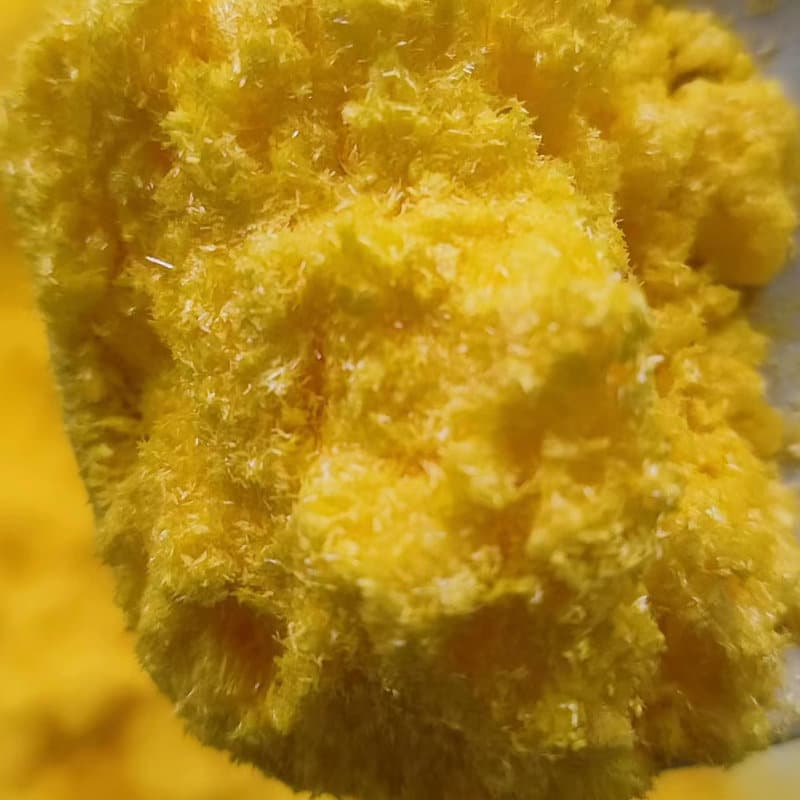
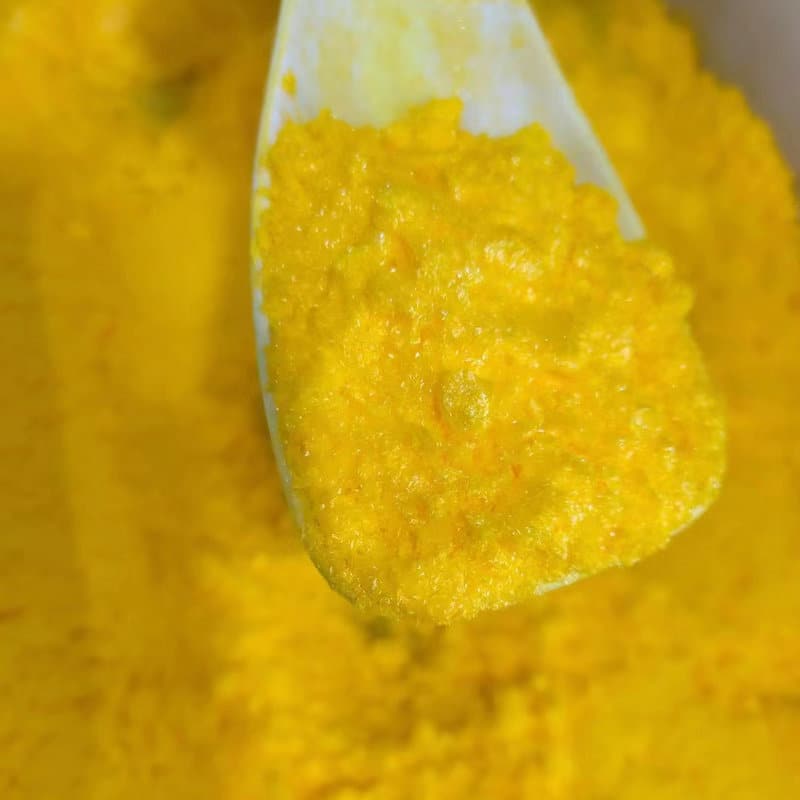
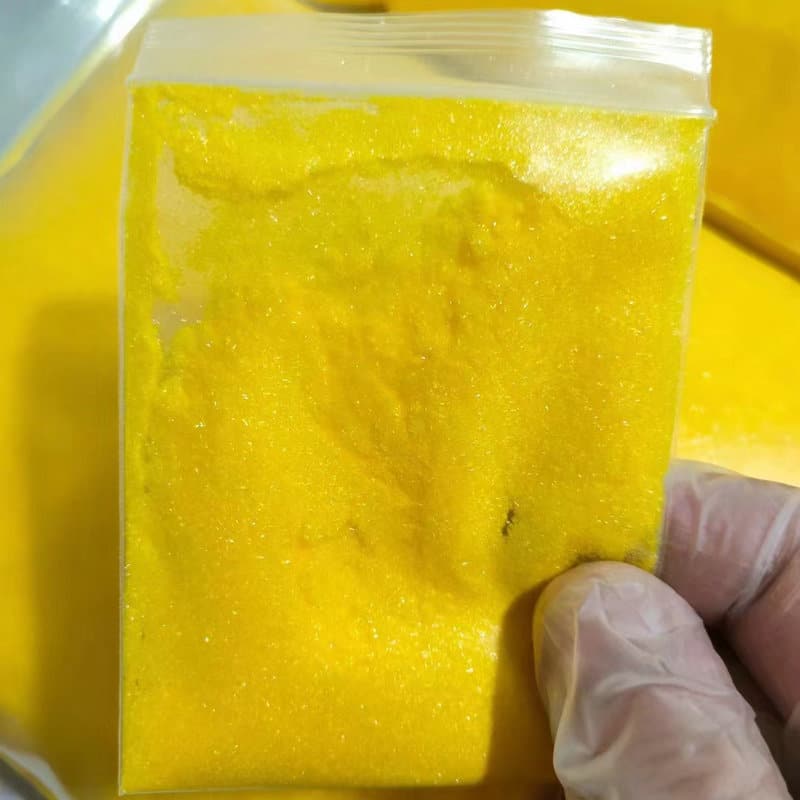
Retinol and retinal are commercially available as cosmetic raw materials used in the development of vitamin A skincare formulations.
Raw-material suppliers and cosmetic manufacturers should consider more than the declared assay when evaluating ingredient quality.
Important quality parameters can include:
Verified chemical identity
Assay or purity determined by a documented method
Impurity and degradation profiles
Batch-to-batch consistency
Storage and handling requirements
Packaging suitability
Applicable regulatory requirements
Documentation such as a Certificate of Analysis (COA), Safety Data Sheet (SDS), and Technical Data Sheet (TDS) can help manufacturers evaluate raw materials and establish formulation specifications.
Because pure raw-material concentration differs from the concentration used in finished cosmetics, suppliers should not treat raw-material purity as a recommended cosmetic use level.
Finished-product concentrations must be assessed according to applicable regulations, safety evaluation, and formulation testing.
How to Choose Between Retinol and Retinal
The best ingredient depends on your skincare goals, previous retinoid experience, and individual tolerance.
| Your Situation | Practical Consideration |
|---|---|
| New to vitamin A skincare | Consider a low-strength, well-formulated retinol or retinal product introduced gradually. |
| Already tolerating retinol | Continuing retinol is reasonable; switching to retinal is optional rather than necessary. |
| Interested in a shorter conversion pathway | Retinal may be worth considering. |
| Very sensitive or irritated skin | Prioritize skin-barrier care and professional guidance before introducing a retinoid. |
| Concerned about wrinkles | Both can be considered, with formulation and sustained tolerance influencing results. |
| Moderate or severe acne | Seek dermatologist guidance regarding established acne treatments. |
| Pregnant or planning pregnancy | Avoid topical retinoids and seek advice from a healthcare professional. |
Frequently Asked Questions About Retinol v Retinal
1. Is retinal better than retinol?
Not necessarily. Retinal requires fewer conversion steps to become retinoic acid and may offer advantages in certain formulations. However, there is insufficient consistent head-to-head clinical evidence to establish that all retinal products are better than all retinol products.
2. Is retinal the same as retinol?
No. Retinol is a vitamin A alcohol, whereas retinal is a vitamin A aldehyde. They are related but chemically distinct compounds with different molecular formulas and metabolic positions.
3. Is retinal stronger than retinol?
Retinal is generally positioned as the more biologically active precursor in the retinoid conversion pathway. However, this does not establish a universal potency ratio for finished skincare products.
4. Can retinal help with wrinkles?
Yes. Published clinical studies have reported improvements in skin roughness and wrinkles with retinaldehyde formulations. Results depend on the product and individual use.
5. Is retinal good for sensitive skin?
Some retinal formulations may be tolerated by sensitive skin, but retinal can still produce irritation. A gradual introduction and appropriate moisturizer are important.
6. Does retinal work faster than retinol?
Retinal has a shorter conversion pathway, but there is no universal, clinically established timeline demonstrating that every retinal formulation produces faster visible results than retinol.
7. Can I switch from retinol to retinal?
Yes. People who already tolerate retinol may consider trying retinal, but should introduce the new product gradually rather than assuming equivalent tolerability.
8. Should I use retinol or retinal every night?
Not necessarily. Starting with less frequent applications is often preferable. Nightly use may be considered only when the product directions and individual skin tolerance support it.
9. Is retinal the same as tretinoin?
No. Retinal is retinaldehyde, a precursor of retinoic acid. Tretinoin is all-trans-retinoic acid itself and is regulated as a medication in many jurisdictions.
10. Can you use retinol or retinal during pregnancy?
Topical retinoids should be avoided during pregnancy. Individuals who are pregnant or planning pregnancy should consult their healthcare professional about suitable skincare alternatives.
Final Verdict: Retinol or Retinal?
Retinal offers a shorter biochemical pathway to retinoic acid, while retinol remains a widely used and researched vitamin A skincare ingredient.
For someone beginning a retinoid routine, a carefully selected low-strength retinol formulation may be a reasonable starting point. For someone interested in retinal's biochemical properties, a well-formulated retinal product may also be worth considering.
The best option is not determined by ingredient name alone. Concentration, stability, skin tolerance, and consistent use are all important.
Ultimately, both retinol and retinal have potential value in cosmetic skincare, and choosing an appropriately formulated product that your skin can tolerate is more useful than focusing exclusively on which ingredient is described as stronger.
Scientific References and Further Reading
Use of Retinoids in Topical Antiaging Treatments: A Focused Review of Clinical Evidence for Conventional and Nanoformulations. Advances in Therapy, 2022.
Evidence for the Efficacy of Over-the-counter Vitamin A Cosmetic Products in the Improvement of Facial Skin Aging: A Systematic Review.
Unoccluded Retinol Penetrates Human Skin in Vivo More Effectively Than Unoccluded Retinyl Palmitate or Retinoic Acid. Journal of Investigative Dermatology, 1997.
Metabolism of Topical Retinaldehyde. Dermatology, 1999.
Profilometric Evaluation of Photodamage After Topical Retinaldehyde and Retinoic Acid Treatment. Journal of the American Academy of Dermatology, 1998.
Retinoid or Retinol? American Academy of Dermatology.
Disclaimer: This article provides educational information about cosmetic retinoids and is not a substitute for medical advice. Product suitability, safety, and efficacy depend on individual circumstances and the finished formulation.