When to Use Retinal: The Best Time, Frequency, and Skincare Routine
When should you use retinal? The best time to use retinal is at night, after cleansing and before or alongside your moisturizer, depending on the product instructions and your skin's sensitivity. If you are new to retinal, begin with two nights per week and gradually increase the frequency as your skin tolerates it.
Retinal, also called retinaldehyde, is a vitamin A derivative used in skincare products designed to improve the appearance of fine lines, uneven texture, and photoaged skin. However, using it too frequently or combining it with multiple irritating ingredients can cause dryness, redness, and peeling.
This guide explains exactly when to apply retinal, how often to use it, where it belongs in your skincare routine, and when you should avoid it.
1. Should You Use Retinal in the Morning or at Night?
Nighttime is the preferred time to apply retinal. Retinoid skincare products are generally recommended for evening application because some retinoids are sensitive to light, and a nighttime routine makes it easier to manage irritation and avoid unnecessary sun exposure.
The American Academy of Dermatology recommends nighttime use of retinoids together with consistent daytime sun protection.
Why use retinal at night?
Product stability: Retinoid compounds can be sensitive to light and oxidation. Stability depends on the particular retinal formulation and packaging.
Simple application: Evening use allows retinal to be incorporated into a routine without layering it under makeup and daytime skincare products.
Irritation management: Applying retinal at night makes it easier to pair the treatment with a gentle moisturizer.
Daily sun protection: A morning routine focused on sunscreen helps protect skin while using retinoids.
Although some specially formulated retinoid products may have different instructions, nighttime is the practical default for retinal skincare. Always follow your product's label.
Recommended daily skincare schedule
| Morning Routine | Evening Routine |
|---|---|
| Gentle cleanser | Gentle cleanser |
| Hydrating serum (optional) | Allow skin to dry |
| Moisturizer | Retinal treatment |
| Broad-spectrum SPF 30+ sunscreen | Moisturizer |
This routine is a general example. Products with special delivery systems or application instructions may require a different order.
2. How Often Should You Use Retinal?
When introducing retinal, consistency and tolerability matter more than applying it as frequently as possible. Beginners should start with occasional applications and increase usage only when their skin remains comfortable.
A conservative example schedule is shown below. It is not a medically established timetable for every retinal product.
| Period | Suggested Frequency | What to Monitor |
|---|---|---|
| Weeks 1-2 | 2 nonconsecutive nights weekly | Redness, dryness, stinging |
| Weeks 3-4 | Every other night if tolerated | Skin comfort and peeling |
| Week 5 onward | Maintain or increase gradually | Long-term tolerability |
Important: This schedule is illustrative. You do not need to progress to daily retinal use. Some people achieve a sustainable routine using retinal only two or three nights per week. Follow the product directions and your dermatologist's advice.
If your skin develops persistent burning, significant redness, cracking, or swelling, stop using the product and seek professional advice. Severe irritation is not a necessary sign that retinal is working.
3. How to Apply Retinal Correctly: Step-by-Step
Using retinal correctly can help minimize irritation and make your skincare routine easier to maintain.
Step 1: Cleanse your skin
Wash your face using a gentle, non-exfoliating cleanser. Avoid harsh scrubs or cleansing products that leave your skin feeling tight and uncomfortable.
Step 2: Let your skin dry
Pat your skin dry and allow any remaining moisture to evaporate before applying retinal. Applying retinoids to damp skin can increase irritation for some people.
Step 3: Apply a small amount of retinal
Use the amount recommended on the product label. For many facial retinoid creams, approximately a pea-sized amount is sufficient for the entire face, but this is not a universal dosing rule for all retinal serums.
Spread the product gently across the intended treatment area. Avoid the lips, nostril creases, and direct contact with the eyes unless the product is specifically formulated for those areas.
Step 4: Apply moisturizer
Follow with a gentle moisturizer to support the skin barrier. Moisturizers containing ceramides, glycerin, or hyaluronic acid may be useful for dryness-prone skin.
Step 5: Use sunscreen the following morning
Apply a broad-spectrum sunscreen with SPF 30 or higher every morning. Reapply according to the sunscreen instructions, especially when outdoors, sweating, or swimming.
Can you apply moisturizer before retinal?
Yes. People who experience irritation may benefit from applying moisturizer before retinal or using a moisturizer-retinal-moisturizer layering technique, commonly called the moisturizer sandwich method.
This approach may improve comfort, although it can influence product penetration. Follow the directions for your particular retinal formulation.
4. When Should You Start Using Retinal?
There is no universally required age for starting retinal. The decision should depend on your skin concerns, existing routine, medical circumstances, and ability to tolerate a retinoid.
When fine lines begin to appear
Retinal may be considered by adults who want to address early signs of photoaging, such as fine lines, uneven texture, and roughness.
A controlled clinical study published in the Journal of Cosmetic Dermatology investigated retinaldehyde creams at concentrations of 0.05% and 0.1% for photoaged skin. The study contributes to the evidence supporting retinaldehyde in cosmetic anti-aging care.
When skin texture becomes uneven
Retinoids help regulate skin-cell differentiation and turnover. Retinal may therefore be useful in a cosmetic routine targeting uneven texture and the visible effects of sun exposure.
When dealing with acne-prone skin
Retinal may be considered as part of a skincare routine for blemish-prone skin. However, the clinical evidence and regulatory approvals for acne treatment are stronger for certain other retinoids, particularly adapalene and prescription tretinoin.
If you have persistent inflammatory acne, painful lesions, or acne scarring, consult a dermatologist instead of relying exclusively on a cosmetic retinal serum.
Do you need retinal in your twenties?
Not necessarily. A person in their twenties with healthy skin does not need retinal solely because of age. Sunscreen, gentle cleansing, and appropriate moisturization remain fundamental.
5. What Retinal Concentration Should Beginners Use?
Retinal skincare products are available in different concentrations. Higher percentages are not automatically better because formulation quality, stability, delivery systems, and individual skin tolerance all influence the result.
| Retinal Concentration | General Consideration |
|---|---|
| 0.025% | A lower-strength option some beginners may consider |
| 0.05% | A concentration evaluated in clinical photoaging research |
| 0.1% | A concentration studied for photoaged skin; tolerability should be considered |
| Above 0.1% | Not automatically more effective; greater caution is appropriate |
These ranges are educational examples, not universal clinical dosing recommendations. If you are new to retinoids or have sensitive skin, consider a lower-strength, well-formulated product and seek professional guidance when appropriate.
6. When to Use Retinal Instead of Retinol
Retinal and retinol are both vitamin A derivatives, but they differ in their metabolic conversion pathways.
Within the skin, retinol can be converted into retinal, which can then be converted into retinoic acid. Retinoic acid is the form that directly activates retinoic acid receptors.
Retinol → Retinal → Retinoic Acid
Because retinal is one metabolic conversion step closer to retinoic acid than retinol, it is often described as a more direct retinoid precursor.
However, this does not establish a universal speed or potency ratio between products. Clinical performance depends on more than the number of conversion steps.
| Feature | Retinal | Retinol |
|---|---|---|
| Chemical family | Vitamin A derivative | Vitamin A derivative |
| Steps to retinoic acid | One | Two |
| Research on photoaging | Supported by clinical studies | Supported by clinical studies |
| Irritation potential | Varies by formulation and user | Varies by formulation and user |
| Preferred application | Usually nighttime | Usually nighttime |
If you already tolerate retinol well and want to explore a retinal product, switching may be reasonable. However, do not assume that a particular retinal serum will produce faster or superior results without direct comparative evidence.
A study published in Dermatology compared the tolerance of retinol, retinaldehyde, and retinoic acid. Both retinol and retinaldehyde demonstrated relatively favorable irritation profiles compared with retinoic acid under the studied conditions.

7. When Should You Avoid Using Retinal?
Retinal is not appropriate for everyone, and some circumstances require avoiding or temporarily stopping retinoid products.
During pregnancy
Retinoids, including cosmetic vitamin A derivatives such as retinal, should be avoided during pregnancy. If you are pregnant or planning pregnancy, ask your healthcare professional about appropriate alternatives.
When your skin barrier is damaged
Avoid applying retinal to severely irritated, cracked, sunburned, or inflamed skin. Allow your skin to recover before considering reintroduction.
When using other strong active ingredients
Combining retinal with multiple potentially irritating treatments can increase the likelihood of dryness and discomfort.
When first introducing retinal, it may be helpful to separate it from strong exfoliating acids or other retinoids.
Immediately after irritating cosmetic procedures
Retinal may need to be paused around chemical peels, laser procedures, waxing, or other treatments that temporarily disturb the skin barrier. Follow the instructions of your treating clinician.
During breastfeeding
Evidence and recommendations depend on the specific topical retinoid and individual circumstances. Consult your healthcare professional before using retinal while breastfeeding, and do not apply it to areas that could contact an infant's skin or mouth.
8. What Ingredients Can You Use with Retinal?
A simple, hydrating skincare routine can make retinal easier to tolerate.
Ingredients that can complement retinal
Hyaluronic acid: Helps support skin hydration.
Ceramides: Help maintain the skin's moisture barrier.
Glycerin: Acts as a humectant to attract water.
Niacinamide: May complement a routine focused on skin-barrier support.
Panthenol: Commonly included in soothing skincare formulations.
Ingredients that require more caution
Glycolic acid: May increase irritation if layered with retinal.
Lactic acid: Exfoliating activity may increase dryness in some users.
Salicylic acid: Can be useful for blemish-prone skin but may cause additional irritation.
Benzoyl peroxide: Can be drying; product compatibility and timing should be checked.
Other retinoids: Combining treatments is generally unnecessary unless specifically directed by a clinician.
These ingredients are not universally incompatible with retinal. Some professionally formulated products intentionally combine active ingredients. The key considerations are skin tolerance, formulation, and professional guidance.
9. How Long Does Retinal Take to Show Results?
Visible changes from retinal are gradual. There is no fixed timeline that applies to every person or every formulation.
Some users may notice improvements in skin texture during the first several weeks, while changes in fine lines and photoaging may require several months of consistent use.
In a clinical investigation comparing 0.05% retinaldehyde with retinoic acid, researchers assessed photodamaged skin at weeks 18 and 44. Both active treatment groups showed improvements in measured wrinkle and roughness features at week 18, while retinaldehyde was generally better tolerated than retinoic acid.
These results should not be interpreted as a promise that every retinal product produces visible improvement within 18 weeks.
To evaluate your routine fairly, maintain consistent lighting when taking progress photos and avoid introducing multiple new active ingredients simultaneously.
10. Common Mistakes When Using Retinal
Even a well-formulated retinal product can cause problems when used incorrectly.
Using retinal every night immediately: Beginning too aggressively can increase irritation.
Applying excessive amounts: More product does not necessarily lead to better results.
Skipping moisturizer: Poor barrier care may make dryness harder to manage.
Forgetting sunscreen: UV exposure continues to contribute to photoaging.
Combining too many treatments: Multiple new active ingredients make irritation difficult to identify.
Expecting instant results: Cosmetic improvements typically require sustained use.
Ignoring product storage: Retinal-containing formulations may be vulnerable to light, oxygen, or heat depending on their stabilization systems.
For best results, use retinal according to the finished product's instructions and follow its recommended storage conditions.

11. Frequently Asked Questions About When to Use Retinal
Can I use retinal every night?
Some people can use a well-tolerated retinal formulation nightly after gradually increasing frequency. However, daily application is not necessary for everyone. Reduce frequency if your skin develops irritation.
Should I use retinal before or after moisturizer?
Many retinal products are applied after cleansing and before moisturizer. If your skin is sensitive, applying moisturizer first may help reduce irritation. Follow the specific product directions.
Can I use retinal in the morning?
Nighttime use is generally preferred. Certain specially formulated products may have different directions, but do not assume every retinal formula is suitable for morning application.
Should beginners use retinal or retinol?
Either may be appropriate depending on the concentration, formulation, skin condition, and individual's tolerance. A lower-strength retinoid formula is generally a sensible starting point.
Can I use retinal and vitamin C on the same day?
Yes, depending on the formulations and skin tolerance. One practical approach is to use vitamin C in the morning and retinal at night. If either product causes irritation, simplify the routine.
Can I use retinal around my eyes?
Only use retinal in the eye area if the finished product is specifically intended for that location. Avoid direct contact with the eyes and follow the manufacturer's instructions.
Should I stop using retinal if my skin peels?
Mild dryness or flaking can occur during retinoid introduction, but significant peeling, persistent burning, swelling, or painful redness should not be ignored. Pause the product and seek professional advice if symptoms are substantial or persistent.
Is retinal suitable for sensitive skin?
Some sensitive-skin users may tolerate carefully formulated retinal products, but others experience irritation. Start cautiously and consult a dermatologist if you have rosacea, eczema, frequent skin reactions, or ongoing inflammation.
How long should I wait after washing my face to apply retinal?
There is no universally established waiting time. Allowing the skin to dry fully before application is a reasonable approach, particularly for people who are prone to irritation.
Do I need to use retinal forever?
Retinal is not a permanent cure for photoaging. Cosmetic benefits generally depend on continued skincare and UV protection. You can adjust or discontinue treatment according to your goals and skin tolerance.
12. Final Answer: When Is the Best Time to Use Retinal?
The best time to use retinal is during your evening skincare routine. Begin with a low-strength product and approximately two applications per week, then increase only if your skin tolerates it.
Apply retinal to clean, dry skin according to the product instructions, support your routine with moisturizer, and use broad-spectrum sunscreen every morning.
If you want to improve the appearance of fine lines, rough texture, or photoaged skin, retinal may be a useful ingredient. However, the most suitable formula and schedule depend on individual skin needs rather than the highest available concentration.
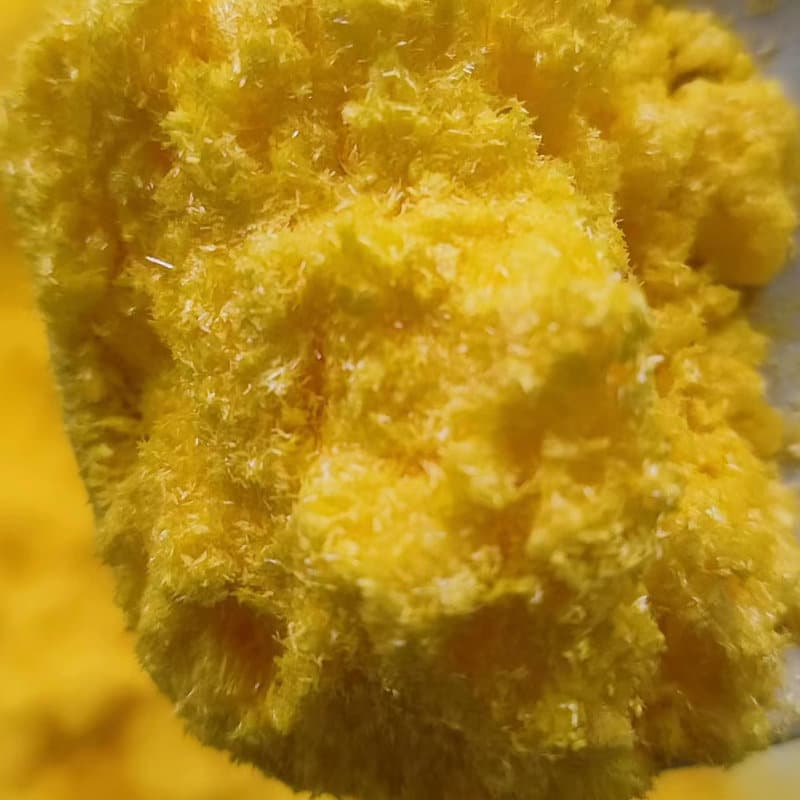
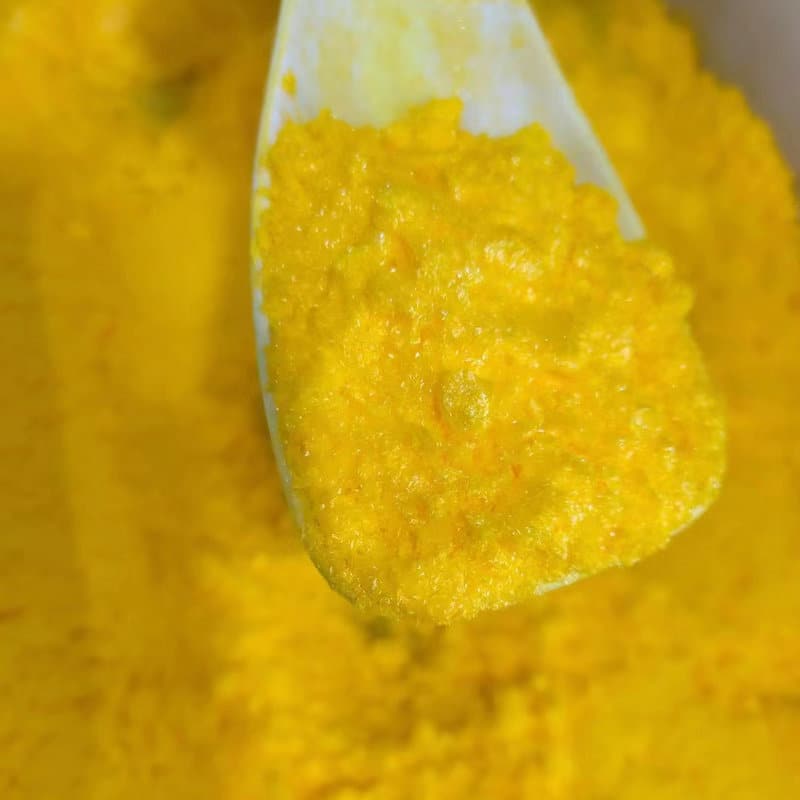
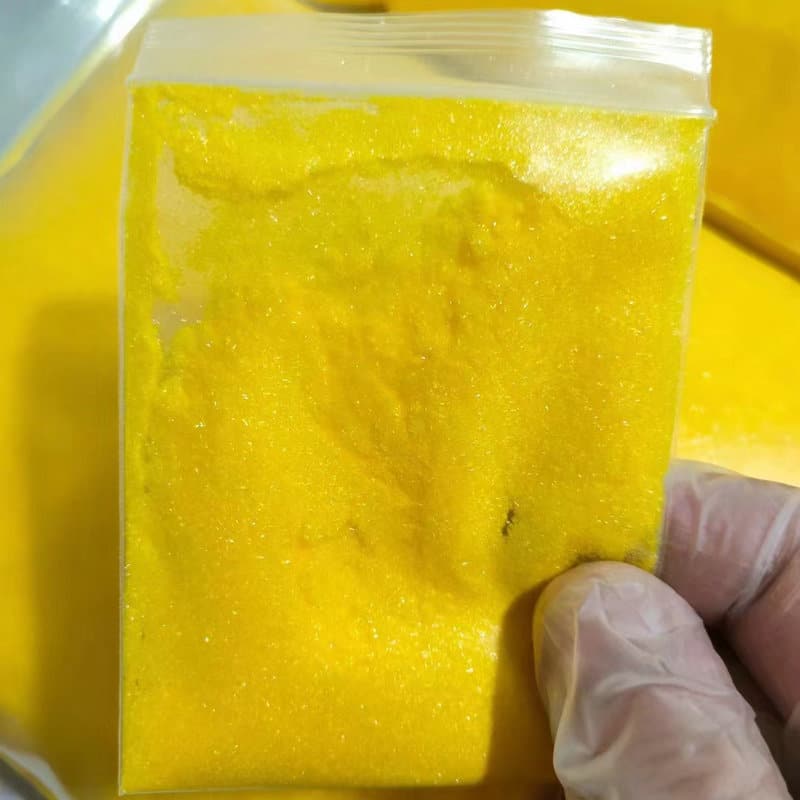
For manufacturers and cosmetic formulators, retinal is also an ingredient whose stability, packaging, concentration, and compatibility with the full formulation require careful consideration. Cosmetic-grade retinal raw materials should be evaluated using appropriate specifications and quality-control data before use in finished products.
Scientific References and Further Reading
American Academy of Dermatology Association. Retinoid or Retinol? Read dermatology guidance .
American Academy of Dermatology Association. Dermatologist-Approved Pregnancy Skin Care. Read pregnancy skincare guidance .
Creidi P, et al. Profilometric Evaluation of Photodamage After Topical Retinaldehyde and Retinoic Acid Treatment. Journal of the American Academy of Dermatology. 1998;39(6):960-965. PMID: 9843009 .
Fluhr JW, et al. Tolerance Profile of Retinol, Retinaldehyde and Retinoic Acid Under Maximized and Long-Term Clinical Conditions. Dermatology. 1999;199(Suppl 1):57-60. PMID: 10473963 .
Kwon HS, et al. Efficacy and Safety of Retinaldehyde 0.1% and 0.05% Creams Used to Treat Photoaged Skin: A Randomized Double-Blind Controlled Trial. Journal of Cosmetic Dermatology. 2018;17(3):471-476. PMID: 29663701 .
Use of Retinoids in Topical Antiaging Treatments: A Focused Review of Clinical Evidence for Conventional and Nanoformulations. Read scientific review .
Disclaimer: This article provides general educational information about cosmetic retinal use and does not replace individualized medical advice. Retinal skincare formulations vary in concentration, stability, and tolerability.