

Hydroxypinacolone Retinoate
Publish Time:
2026-10-03
Hydroxypinacolone Retinoate
```html
What Is Hydroxypinacolone Retinoate? Benefits, Features, Applications, and Basic Specifications of HPR
Hydroxypinacolone Retinoate, commonly abbreviated as HPR, is a retinoid-class cosmetic ingredient. In recent years, it has increasingly appeared in anti-aging, skin roughness improvement, and retinoid-based functional skincare products. If you are developing cosmetic formulations or sourcing raw materials, beyond understanding "what HPR is," you also need to learn more about its CAS number, molecular formula, solubility, stability, differences from retinol, and practical formulation usage.
I. Basic Information on Hydroxypinacolone Retinoate
| Chinese Name | Hydroxypinacolone Retinoate |
| English Name | Hydroxypinacolone Retinoate |
| Abbreviation | HPR |
| CAS Number | 893412-73-2 |
| Molecular Formula | C26H38O3 |
| Molecular Weight | Approximately 398.58 |
| INCI Name | Hydroxypinacolone Retinoate |
| Ingredient Type | Retinoid Derivatives |
From a chemical structure perspective, hydroxypinacolone retinoate is an ester derivative of retinoic acid. According to PubChem, the molecular formula of hydroxypinacolone retinoate is C26H38O3, with a molecular weight of approximately 398.6 g/mol and a CAS number of 893412-73-2.
II. What are the characteristics of hydroxypinacolone retinoate?
HPR has attracted the attention of cosmetic R&D professionals, and one important reason is that it differs from traditional retinol in terms of structure and usage characteristics. In the vitamin A ingredient system, retinol typically needs to undergo an oxidation process after entering the skin, first converting to retinal, and then further converting to retinoic acid-related active forms.
Hydroxypinacolone retinoate belongs to the retinoid ester derivative category. In ingredient and cosmetics industry materials, it is usually described as a vitamin A derivative that can interact with retinoic acid-related receptors more directly. Therefore, it is often used in formulas emphasizing gentle vitamin A, anti-aging, and skin renewal concepts.
It should be noted that "gentler" does not mean that no irritation will occur at any concentration, in any formula, or for any user. The actual performance of the final product is still related to the HPR dosage, formula system, frequency of use, and the user's skin tolerance.
III. What are the main effects of hydroxypinacolone retinoate?
In skincare formulas, hydroxypinacolone retinoate is mainly used as a vitamin A-type skin conditioning ingredient. Current market applications are mainly focused on the following areas.
1. Anti-aging and fine line care
Vitamin A ingredients have long been an important research direction in anti-aging cosmetics. HPR is typically used in anti-aging serums, creams, and other products targeting fine lines and signs of skin aging. Related research and ingredient technical materials mainly focus on vitamin A signaling, collagen-related processes, and skin renewal.
2. Improving skin roughness and texture
Vitamin A ingredients are related to keratinocyte differentiation and the skin renewal process, so HPR is often used in formula designs aimed at improving roughness, uneven skin texture, and skin feel.
3. Skincare formulas for oily and acne-prone skin
Some HPR raw material and formulation documents also apply it to oily skin and acne-prone skin care products. However, if a product involves medical uses such as acne treatment, it should be distinguished from ordinary cosmetic efficacy claims, and cosmetic raw materials cannot simply be equated with pharmaceutical therapeutic ingredients.
4. Skin Tone and Photoaging Care
Some studies are also examining the effects of HPR and related derivatives on photoaging, pigmentation-related processes, and overall skin condition. Therefore, HPR products currently on the market also frequently appear in anti-photoaging and skin tone improvement formulations.
IV. What Is the Difference Between Hydroxypinacolone Retinoate and Retinol?
This is one of the most common questions in the procurement and formulation development process. Both HPR and Retinol belong to the vitamin A class of skincare raw materials, but they are not the same substance.
| Comparison Item | Hydroxypinacolone Retinoate HPR | Retinol |
|---|---|---|
| Ingredient Type | Retinoate Derivatives | Vitamin A Alcohols |
| Common Abbreviation | HPR | Retinol |
| CAS | 893412-73-2 | 68-26-8 |
| Conversion Characteristics | Typically described as acting more directly on retinoic acid-related receptors | Typically requires intermediate conversion processes such as retinal |
| Formulation Positioning | Gentle, next-generation retinoid products | Classic retinoid products |
| Stability | Relatively good, but still requires light protection, antioxidant, and stability design | More sensitive to light, oxygen, and temperature |
Therefore, HPR cannot simply be understood as "a higher concentration of retinol." It and Retinol are two different vitamin A ingredients. When selecting ingredients, a comprehensive judgment should be made based on product positioning, target dosage, stability, irritation control, and the final formulation system.
5. Is Hydroxypinacolone Retinoate water-soluble or oil-soluble?
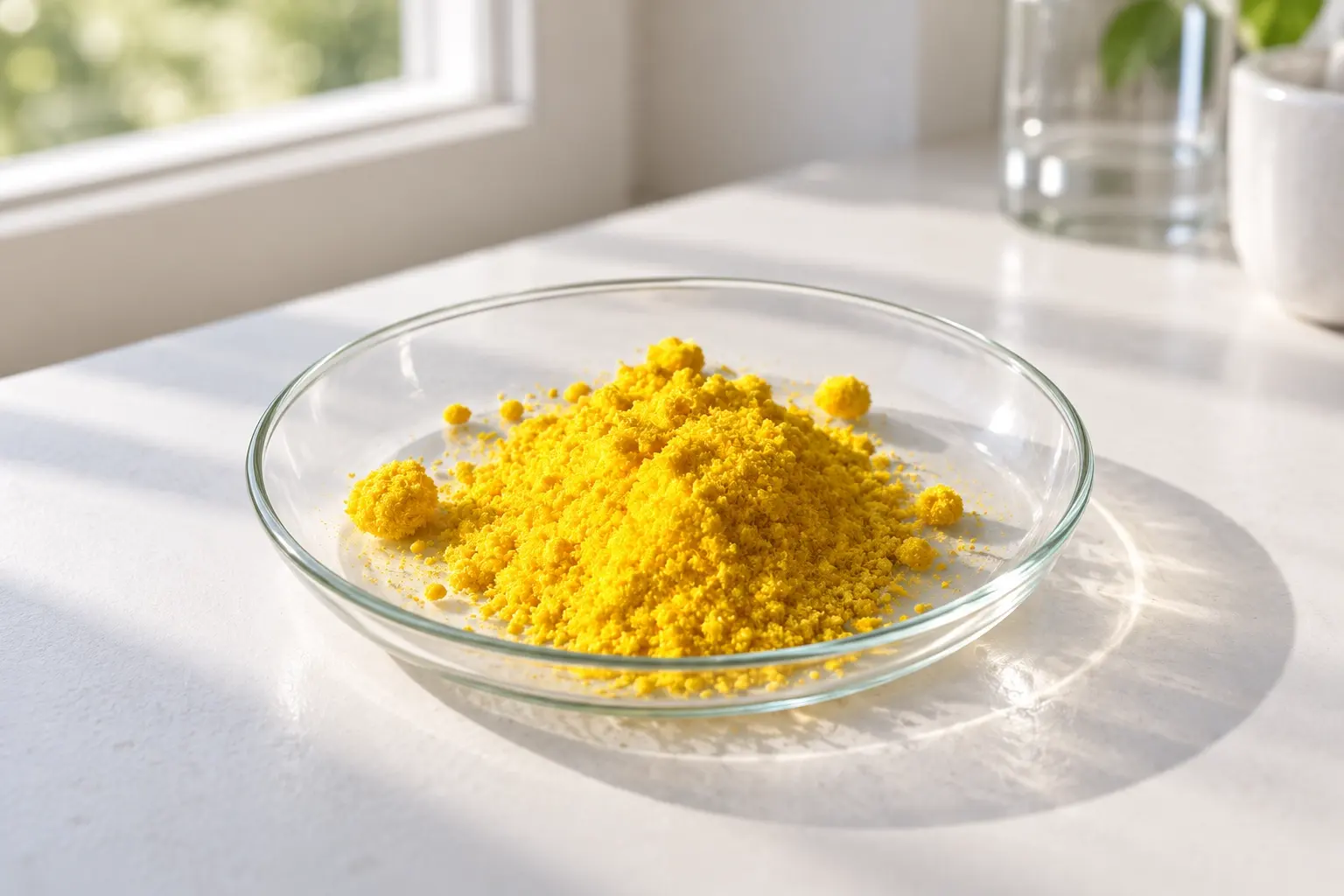
HPR itself has obvious lipophilic characteristics and is not a conventional water-soluble ingredient. Therefore, for high-purity Hydroxypinacolone Retinoate powder, it usually cannot be directly added to water with the expectation of forming a truly transparent aqueous solution.
Common approaches in actual formulations include oil-phase systems, emulsion systems, or pre-treating HPR with suitable solvents and carriers. What the market calls "water-soluble HPR" is often not the HPR molecule itself becoming a water-soluble substance, but rather a compounded ingredient made suitable for aqueous systems through encapsulation, solubilization, dispersion, or other carrier technologies.
Therefore, when purchasing, it is essential to confirm whether the supplier provides
high-purity HPR powder
, or
10% HPR solution, encapsulated HPR, water-dispersible HPR, or other compounded systems
, because different products cannot be calculated using the same addition ratio.
6. How is the stability of HPR?
Stability is a very important issue in the formulation development of vitamin A ingredients. Studies show that different vitamin A derivatives differ significantly in stability in actual cosmetics, and the final stability is closely related to temperature, light, oxygen, and the specific formulation system.
Compared with some traditional vitamin A ingredients, HPR shows good stability potential, but this does not mean that HPR will not degrade at all. In actual R&D, it is still recommended to carry out light-blocking, antioxidant, and formula stability design, and the final product should also be confirmed through actual stability testing.
During formula design, it is recommended to focus on:
Minimize long-term exposure to strong light;
Reduce long-term contact between raw materials and finished products with air;
Choose a suitable antioxidant solution according to the system;
Avoid unnecessary high-temperature, long-duration processing;
Use packaging with good light-blocking and sealing performance;
Determine the finished product's shelf life through actual stability testing.
7. How is Hydroxypinacolone Retinoate added to cosmetics?
If high-purity HPR powder is used, the raw material's dissolution system should first be confirmed; it cannot be added directly in the same way as ordinary water-soluble powders.
Generally, HPR can first be fully dissolved or dispersed in a suitable oil phase or solvent according to the formula system, and then added to the overall formula. To reduce the potential effects of prolonged heat exposure, the specific addition temperature and process conditions should be determined based on the raw material supplier's TDS and actual stability tests.
Particular attention should be paid to the fact that
the addition amount of 99% HPR powder and 10% HPR solution are completely different concepts
. For example, when a formulator sees that a certain scheme states "add 1% HPR compound liquid," it cannot be directly understood as adding 1% pure HPR to the formula. During procurement and R&D, the true effective HPR content of the raw material must first be confirmed.
8. How should Hydroxypinacolone Retinoate be stored?
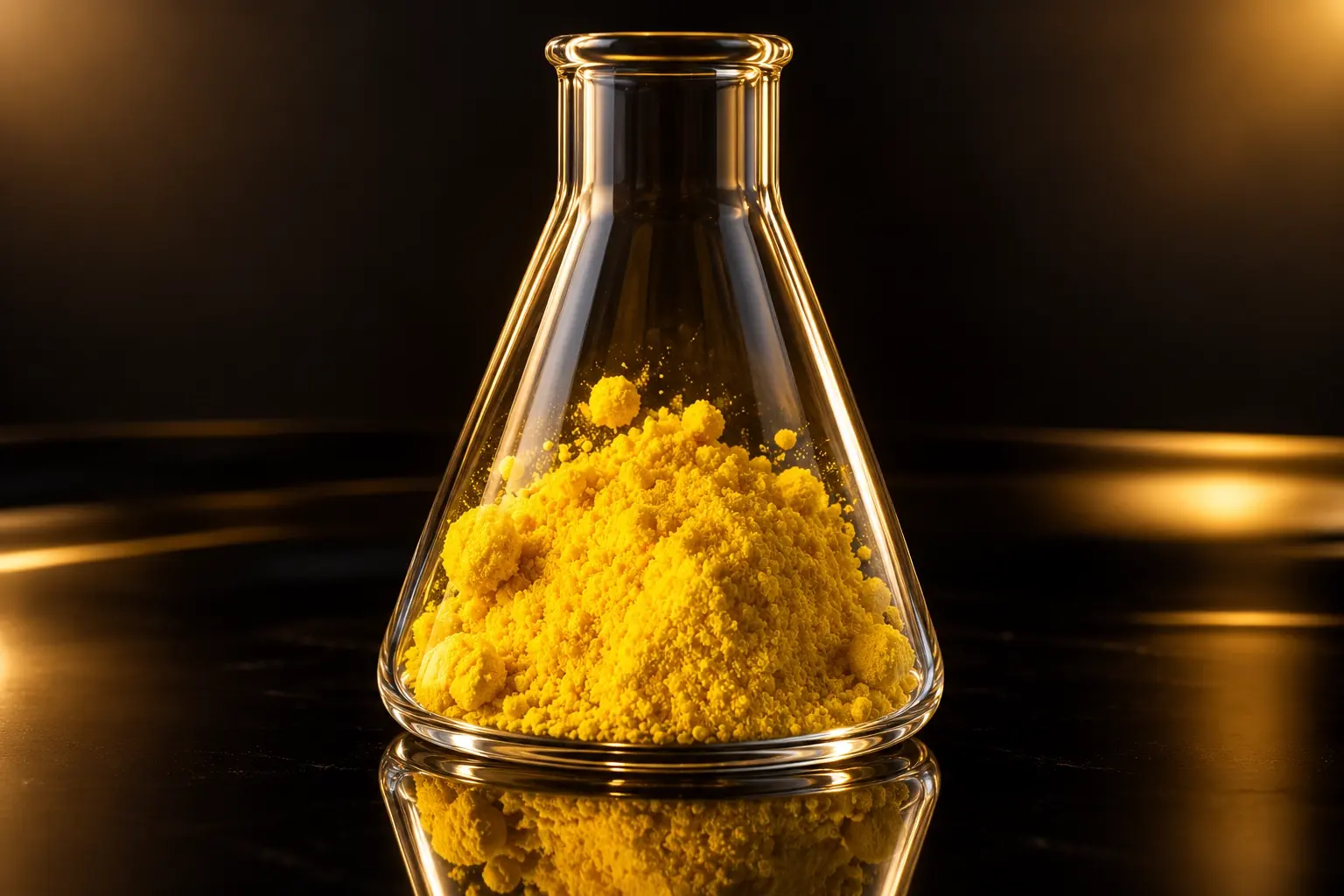
HPR is a vitamin A-type raw material and is somewhat sensitive to light, oxygen, and the storage environment. For high-purity HPR raw materials, actual storage should be based on the SDS, TDS, and product label provided by the supplier.
In principle, it is recommended to use
Store in a cool, dark, and sealed environment
and minimize the entry of air and moisture caused by frequently opening the packaging. If purchasing in large quantities, you may reasonably divide it into smaller portions based on actual production usage to avoid repeatedly opening the same package.
Different forms of HPR products, such as 99% powder, 10% solution, or encapsulated HPR, may have different recommended storage conditions. Therefore, storage temperature should not be determined solely based on the name "HPR."
9. What specifications should be considered when purchasing Hydroxypinacolone Retinoate?
If you are a cosmetics factory, brand R&D department, or formula company purchasing HPR, it is advisable not to compare only the price per kilogram. What truly affects formula development and subsequent production stability is the raw material specifications and batch quality.
It is recommended to confirm at least the following information:
CAS Number:
Whether it is 893412-73-2;INCI Name:
Whether it is Hydroxypinacolone Retinoate;Active content:
Is it 99% high-purity raw material or a diluted or compounded material;Test method:
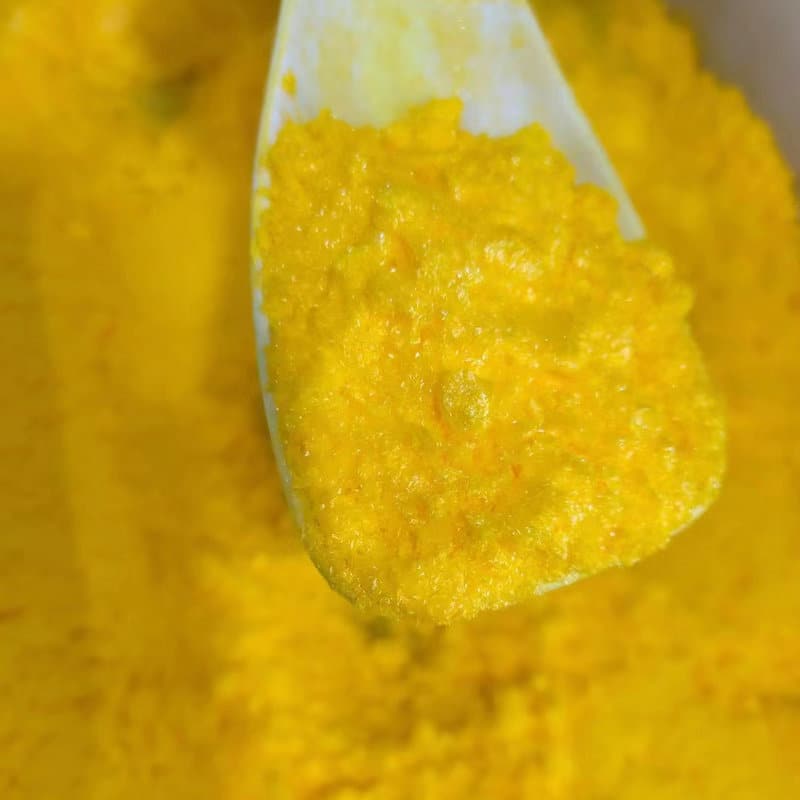
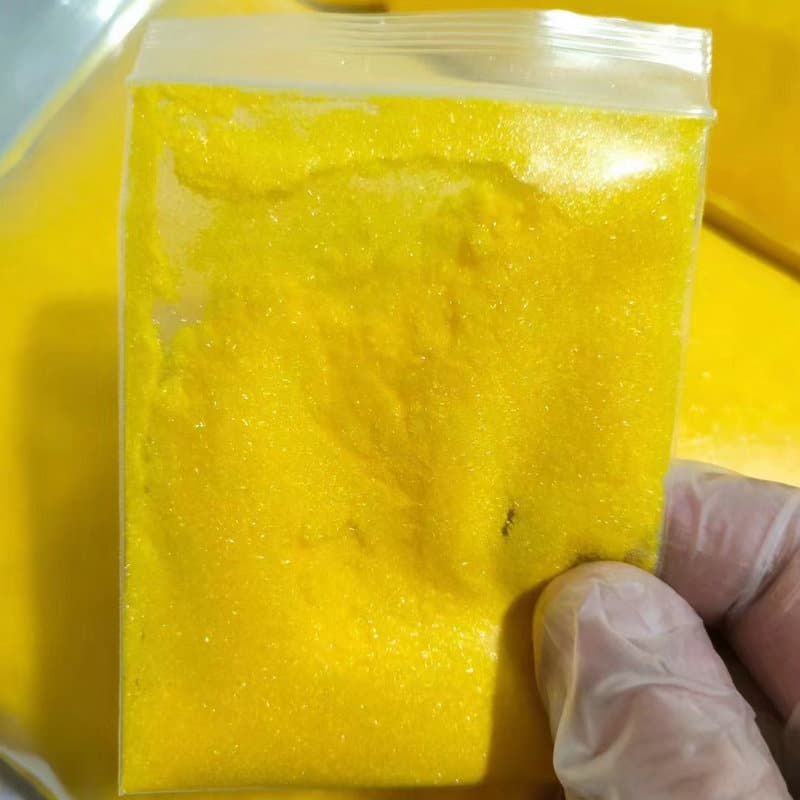
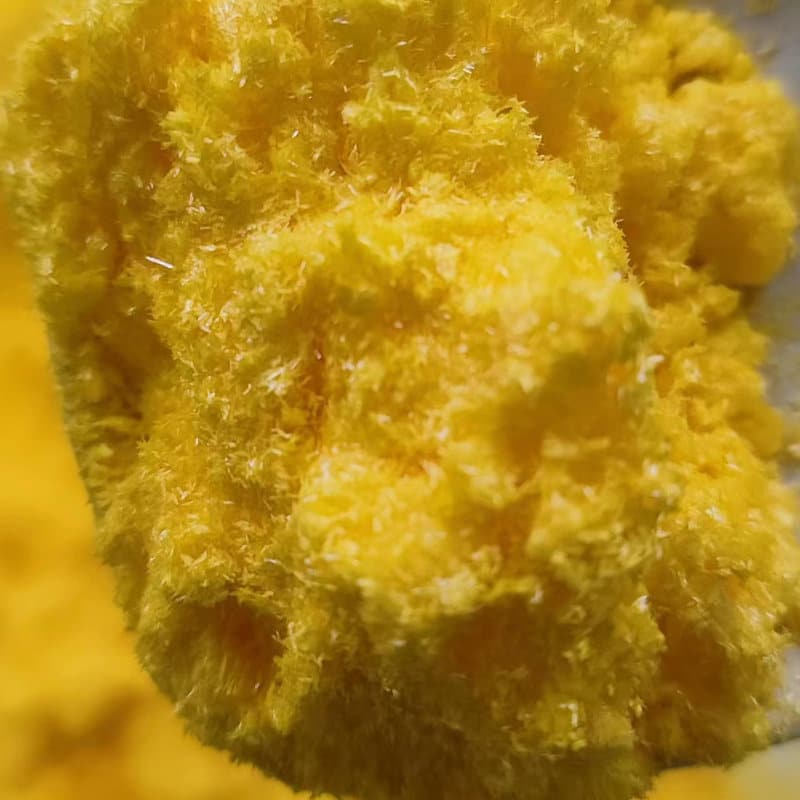
Confirm the testing method such as HPLC and the specific specifications;Appearance:
Whether it meets the corresponding product specifications;Batch COA:
Do not rely only on the general specification sheet; check the actual batch test report;SDS/TDS:
Used to confirm safety, formulation, and storage information;Stability:
Understand the raw material transportation and storage requirements;Packaging:
Confirm whether light-proof, sealed packaging suitable for vitamin A-type raw materials is used.
10. What is the difference between 99% HPR powder and 10% HPR?
When searching for "hydroxypinacolone retinoate" on the market, you will often see both 99% HPR and 10% HPR. The biggest difference between the two is the active ingredient concentration and the carrier system.
99% HPR
Usually refers to high-purity hydroxypinacolone retinoate raw material, which is more suitable for R&D or manufacturing companies with independent formula development and raw material handling capabilities.
10% HPR
Usually a compounded product in which HPR is pre-dissolved in a certain solvent or carrier. It may be more convenient to use and weigh, but the carrier composition must be further confirmed at the time of purchase.
Therefore, when comparing quotes from different suppliers, you must compare them on the basis of the same effective content. You cannot directly judge which one is cheaper by using the "price per kilogram of 10% HPR" and the "price per kilogram of 99% HPR."
11. Frequently Asked Questions About Hydroxypinacolone Retinoate
Is Hydroxypinacolone Retinoate the same as HPR?
Yes. HPR is the commonly used English abbreviation for Hydroxypinacolone Retinoate, and it is usually called hydroxypinacolone retinoate in Chinese.
What is the CAS number of Hydroxypinacolone Retinoate?
The CAS number is 893412-73-2.
What is the molecular formula of HPR?
The molecular formula is C26H38O3, and the molecular weight is approximately 398.58.
Is Hydroxypinacolone Retinoate the same as retinol?
No. Both HPR and Retinol belong to the vitamin A category of ingredients, but they have different chemical structures and CAS numbers, so HPR cannot be directly regarded as retinol.
Can Hydroxypinacolone Retinoate be dissolved directly in water?
High-purity HPR itself is not a conventional water-soluble ingredient. So-called water-soluble HPR on the market usually achieves aqueous dispersion through solubilization, encapsulation, or carrier systems. You should check the specific product's INCI and TDS before making a judgment.
Does HPR raw material procurement require a COA?
It is recommended to review the COA of the actual batch, and also confirm with the TDS, SDS, and necessary testing data such as HPLC. For commercial production, batch-to-batch consistency is usually more important than relying on a single sample test result.
Summary
Hydroxypinacolone Retinoate (HPR) is a vitamin A derivative used in cosmetics, with CAS number 893412-73-2, molecular formula C26H38O3, and a molecular weight of approximately 398.58. It is currently mainly used in anti-aging, skin texture improvement, and other vitamin A-type functional skincare formulations.
For formulation R&D and raw material procurement personnel, when selecting HPR, you should not just look at the word "HPR." You should also clarify whether the raw material is a high-purity powder or a compounded solution, and focus on confirming the active content, HPLC testing, COA, SDS/TDS, dissolution system, stability, and storage conditions. Only by matching the raw material specifications with the final formulation requirements can you more accurately determine which Hydroxypinacolone Retinoate is more suitable for actual product development.
```
Tags:
Related News
Hydroxypinacolone Retinoate Benefits
2026-10-03
Hydroxypinacolone Retinoate Benefits
2026-10-03
How to pronounce Hydroxypinacolone Retinoate
2026-10-03
Hydroxypinacolone Retinoate Pinyin
2026-10-03