

Hydroxypinacolone Retinoate Benefits
Publish Time:
2026-10-03
Hydroxypinacolone Retinoate Benefits
```html
What Are the Benefits of Hydroxypinacolone Retinoate? A Detailed Guide to HPR's Anti-Aging, Wrinkle-Reducing, and Skin-Improving Effects
Hydroxypinacolone Retinoate (HPR) is a vitamin A active ingredient that has attracted considerable attention in cosmetic formulations in recent years. Many people searching for "hydroxypinacolone retinoate benefits" mainly want to know whether it can truly fight aging, fade fine lines, improve dullness, and how it differs from the common retinol.
Simply put, the applications of hydroxypinacolone retinoate mainly focus on
improving signs of skin aging, fine lines and wrinkles, rough skin texture, uneven skin tone, and photoaging issues
. However, when evaluating HPR's benefits, it is also important to note that some human studies have used combination products containing HPR, so not all study results can be fully attributed to HPR alone.
1. What Is Hydroxypinacolone Retinoate?
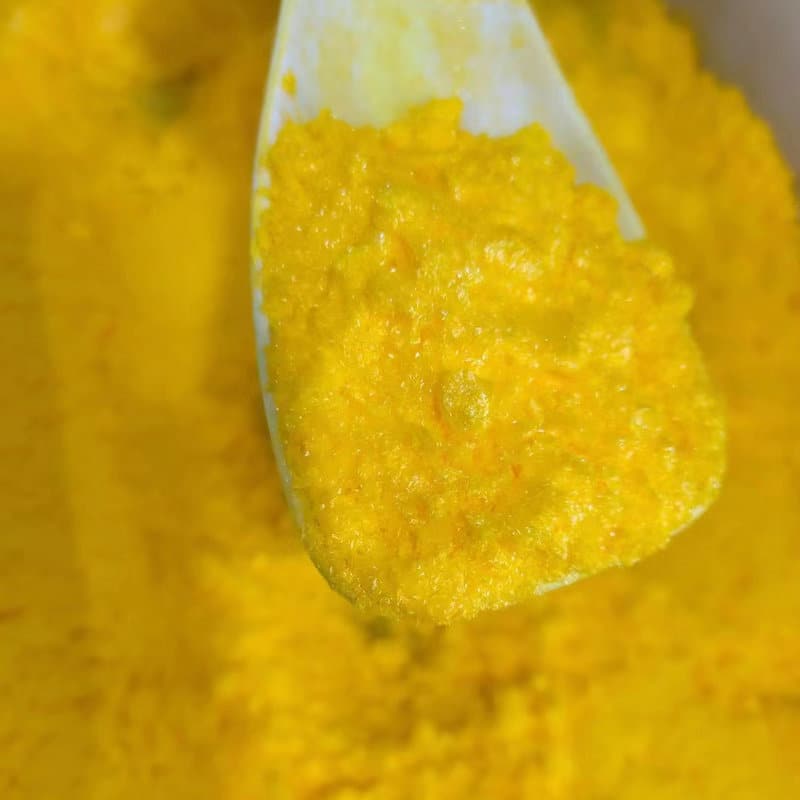
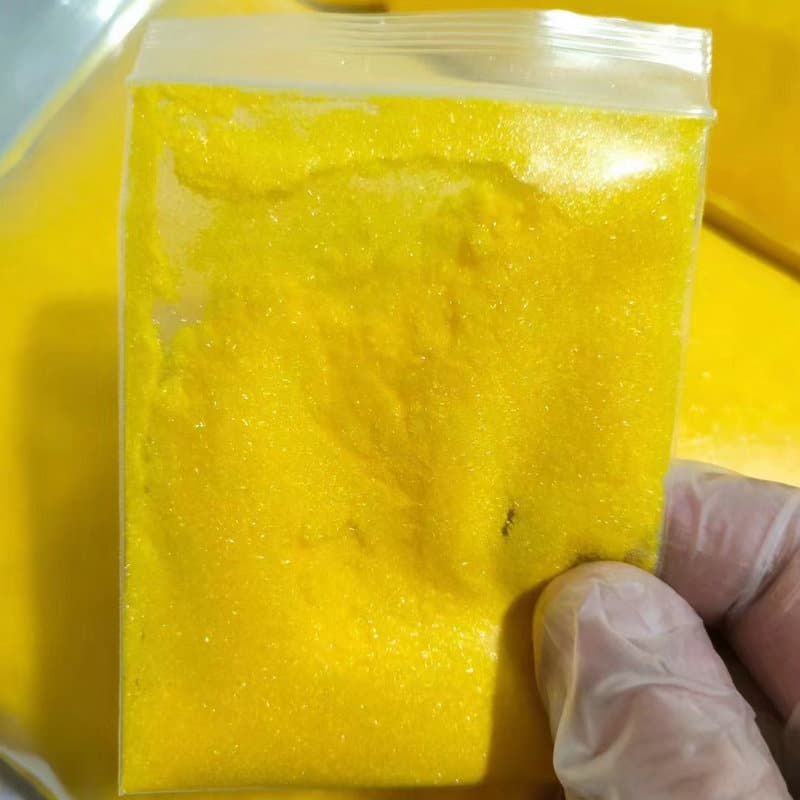
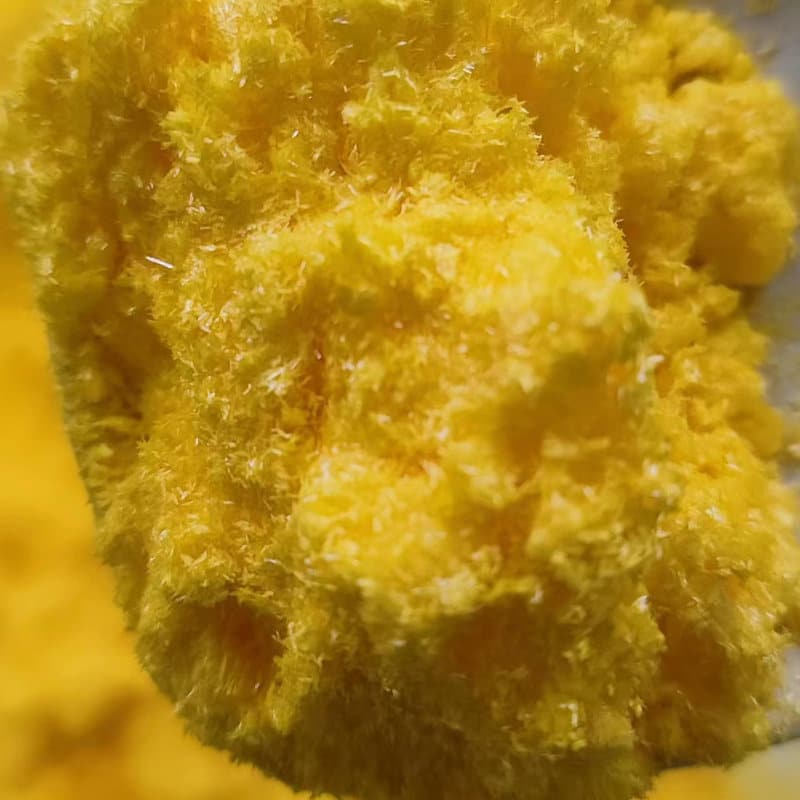
The English name of hydroxypinacolone retinoate is Hydroxypinacolone Retinoate, commonly abbreviated as HPR, with CAS number 893412-73-2. It belongs to the vitamin A derivative class.
After ordinary retinol enters the skin, it needs to go through metabolic processes such as retinol to retinal to retinoic acid, and ultimately exerts its effects through retinoic acid-related receptors. One of HPR's characteristics is that its structure can interact with related retinoic acid receptors, which is why it is often used as a new type of vitamin A ingredient in the cosmetic raw materials field.
This is also why many anti-aging serums, creams, and vitamin A skincare products use HPR as one of their core active ingredients.
II. Main Benefits of Hydroxypinacolone Retinoate
1. Improves Fine Lines and Wrinkles
Anti-aging and wrinkle reduction are among the most closely watched benefits of hydroxypinacolone retinoate.
Retinoid ingredients can participate in skin renewal and extracellular matrix-related processes, so they are often used to improve skin photoaging, fine lines, and wrinkles.
A retrospective study of skincare products with HPR as the main ingredient showed that after subjects used it continuously, indicators such as skin tone, texture, wrinkles, and pores improved, and some indicators continued to improve with longer use.
In addition, some studies of combination skincare products containing HPR and peptide ingredients have also observed improvements in facial fine lines, wrinkles, and skin texture. However, because these products are combination systems, these results cannot simply be understood to mean that HPR used alone would necessarily achieve exactly the same effect.
2. Improves Skin Roughness and Skin Quality
Besides fine lines, another reason many consumers use retinoid products is to improve skin roughness, uneven texture, and overall skin quality.
Hydroxypinacolone retinoate is a retinoid active ingredient, and one of its application directions is to help improve the skin surface's renewal state, making the skin appear smoother and more refined.
In existing human studies using HPR as the main ingredient or containing HPR combination systems, skin texture and smoothness are among the indicators frequently evaluated.
3. Helps improve uneven skin tone and dullness
"Does hydroxypinacolone retinoate have a brightening effect" is also a question users frequently search for.
Strictly speaking, HPR is better understood as a retinoid-class ingredient that helps improve skin tone evenness and overall skin quality by enhancing skin renewal and photoaging status, rather than simply being understood as a "whitening agent" in the traditional sense.
Improvements in skin tone, pigmentation, or skin radiance have been observed in some human studies, which is also one of the important reasons why HPR is often used in anti-aging and brightening formulas.
4. Improves signs of photoaging
Long-term ultraviolet exposure is one of the important factors causing fine lines, roughness, decreased elasticity, and uneven skin tone, and these changes are commonly referred to as photoaging.
Retinoid-class ingredients have always been important active ingredients in the field of photoaging care. In recent years, research on HPR and related retinoate ester ingredients has also mainly focused on wrinkles, elasticity, skin structure, pigmentation, and photoaging.
Therefore, in cosmetic applications, hydroxypinacolone retinoate is often positioned as
an active ingredient for anti-aging, wrinkle reduction, and improving signs of photoaging
。
5. Has the skin renewal characteristics of retinoid-class ingredients
HPR is a retinoid derivative, so its benefits should not be understood merely as "reducing wrinkles."
Looking at the overall characteristics of retinoids, they typically also affect epidermal turnover, keratinocyte status, and skin structure-related processes. For this reason, after continuous use of retinoid products, consumers may simultaneously notice changes in multiple aspects such as fine lines, skin texture, pore appearance, and skin tone evenness.
3. What is the difference between hydroxypinacolone retinoate and retinol?
| Comparison Item | Hydroxypinacolone Retinoate (HPR) | Retinol |
|---|---|---|
| Ingredient Category | Retinoid Derivative | A Form of Vitamin A |
| Primary Application Areas | Anti-aging, wrinkle reduction, skin texture improvement, and photoaging | Anti-aging, wrinkle reduction, skin texture improvement, and photoaging |
| Converted within the skin | Can directly interact with relevant retinoic acid receptors | Requires conversion through steps such as retinal |
| Irritation | Generally regarded in formulation as one of the gentler vitamin A options | At higher concentrations or during the tolerance-building phase, issues such as dryness and flaking may occur |
| Research foundation | In recent years, related human studies have gradually increased | Longer research history and more publicly available data |
Therefore, HPR and Retinol do not have a simple "which is better" relationship. For cosmetic formulations, the choice needs to be based on the target efficacy, actual usage level, formulation system, stability, and target population.
IV. Is Hydroxypinacolone Retinoate really gentler than Retinol?
This is one of the most talked-about features of HPR.
Some publicly available studies and cosmetic literature indicate that HPR, while delivering retinoid-type anti-aging benefits, shows good tolerability. In some human studies using HPR as the main ingredient or in HPR-containing combination systems, subjects generally showed good tolerability.
However, "relatively gentle" does not mean "completely non-irritating."
Individual skin condition, product concentration, frequency of use, and formulation system vary, so actual tolerability may also differ. A small number of people may still experience temporary dryness, stinging, redness, or flaking when using retinoid products.
V. How long does it take to see results from Hydroxypinacolone Retinoate?
According to publicly available human studies, some HPR-containing skincare systems showed changes in certain skin parameters after about 4 weeks of continuous use, while in 8-week, 12-week, or 16-week studies, some parameters may improve further.
However, actual skincare results are influenced by many factors, including HPR concentration, product formulation, frequency of use, age, skin condition, and sun protection habits. Therefore, it cannot be simply assumed that all HPR-containing products will produce the same results within a fixed period of time.
For retinoid skincare, consistent and regular use is usually more important than increasing the amount used over a short period.
6. Which skincare products use Hydroxypinacolone Retinoate?
Currently, HPR is mainly used in functional skincare products, such as:
Anti-aging serum
Wrinkle-reducing serum
Anti-aging cream
Night cream
Vitamin A complex serum
Products for improving skin texture and photoaging
In actual formulations, HPR may also be combined with Retinol, Retinyl Propionate (RP), niacinamide, peptides, ceramides, and other active ingredients.
7. What should be noted when using Hydroxypinacolone Retinoate?
Although HPR is often considered a relatively well-tolerated retinoid ingredient, the following points are still recommended for actual skincare use:
When first using retinoid products, you can gradually build up your usage frequency.
If noticeable dryness or irritation occurs, the usage frequency should be appropriately reduced.
Sunscreen should be used diligently during the day, because improving photoaging cannot replace sun protection.
Do not judge irritation potential based solely on the ingredient name; you should also check the complete product formula and actual concentration.
For sensitive skin, it is recommended to perform a patch test first.
People who are pregnant, trying to conceive, or have specific skin concerns are advised to consult a doctor or relevant professional before using retinoid products.
8. Summary of Hydroxypinacolone Retinoate Benefits
Based on currently available public information and research, the core application value of Hydroxypinacolone Retinoate (HPR) is mainly focused on
Anti-aging, improving fine lines and wrinkles, improving rough skin texture, enhancing skin tone evenness, and improving the appearance of photoaging
and other aspects.
The characteristic of HPR lies in the fact that it is a retinoic acid derivative and can interact with related receptors, making it a new type of vitamin A cosmetic ingredient that has attracted considerable attention in recent years.
However, when evaluating the efficacy of hydroxypinacolone retinoate, a distinction should be made between "the mechanism of action of the raw ingredient itself" and "human efficacy data of formulated products containing HPR." The final effect of a product is not determined solely by HPR, but is also influenced by factors such as the added amount, formulation system, other active ingredients, and method of use.
IX. Frequently Asked Questions About the Efficacy of Hydroxypinacolone Retinoate
What are the main benefits of hydroxypinacolone retinoate?
It is mainly used in anti-aging, improving fine lines and wrinkles, improving rough skin texture, uneven skin tone, and photoaging, as well as other efficacy-oriented skincare products.
Is hydroxypinacolone retinoate the same as retinol?
No. What is commonly called "A醇" refers to Retinol, i.e., retinol. Hydroxypinacolone retinoate belongs to another type of vitamin A derivative, with the English name Hydroxypinacolone Retinoate, abbreviated as HPR.
Which is better, HPR or retinol?
Both belong to the vitamin A skincare ingredient category, but their structures, conversion processes, stability, formulation requirements, and research accumulation are not entirely the same. The actual choice should be judged based on the target efficacy, product formulation, and individual tolerance, and it cannot be determined which is better based on a single indicator alone.
Can Hydroxypinacolone Retinoate reduce wrinkles?
Wrinkle reduction and anti-aging are among the primary applications of HPR. Human studies using HPR as a main ingredient or in HPR-containing formulations have observed improvements in wrinkles, fine lines, and skin texture.
Is Hydroxypinacolone Retinoate highly irritating?
In published studies, HPR has generally shown good tolerability, but retinoid products may still cause dryness, stinging, or redness depending on concentration, formulation, and individual differences, so it cannot simply be understood as "completely non-irritating."
What is the CAS number of Hydroxypinacolone Retinoate?
The commonly used CAS number for Hydroxypinacolone Retinoate is
893412-73-2, and its English name is
Hydroxypinacolone Retinoate
, abbreviated as
HPR
。
```
Tags:
Previous
Next
Previous
Next
Related News
Hydroxypinacolone Retinoate Benefits
2026-10-03
Hydroxypinacolone Retinoate Benefits
2026-10-03
How to pronounce Hydroxypinacolone Retinoate
2026-10-03
Hydroxypinacolone Retinoate Pinyin
2026-10-03