

Hydroxypinacolone Retinoate and Retinol
Publish Time:
2026-10-03
Hydroxypinacolone Retinoate and Retinol
What Is the Difference Between Hydroxypinacolone Retinoate and Retinol? A Comprehensive Comparison of HPR vs. Retinol
Hydroxypinacolone Retinoate (HPR) and Retinol both belong to the retinoid family and are two types of active ingredients frequently found in anti-aging skincare products.
Because both are related to retinoid skincare, many people have several questions when choosing products or sourcing raw materials: What is the difference between Hydroxypinacolone Retinoate and Retinol? Is HPR gentler than Retinol? Which one has better stability? Are their anti-aging effects the same? Can HPR and Retinol be added to the same formula?
In fact, although HPR and Retinol belong to the same category, their chemical structures, pathways of action in the skin, stability, and formulation application methods are not entirely the same. This article provides a detailed explanation from the perspective of raw materials and formulation applications.
1. What Are Hydroxypinacolone Retinoate and Retinol Respectively?
1. What Is Hydroxypinacolone Retinoate?
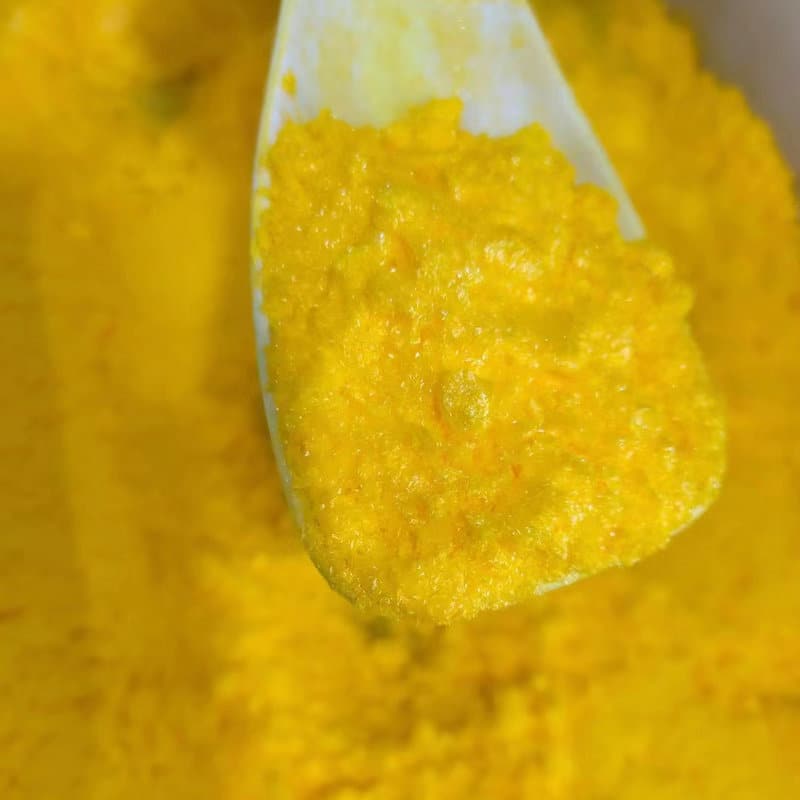
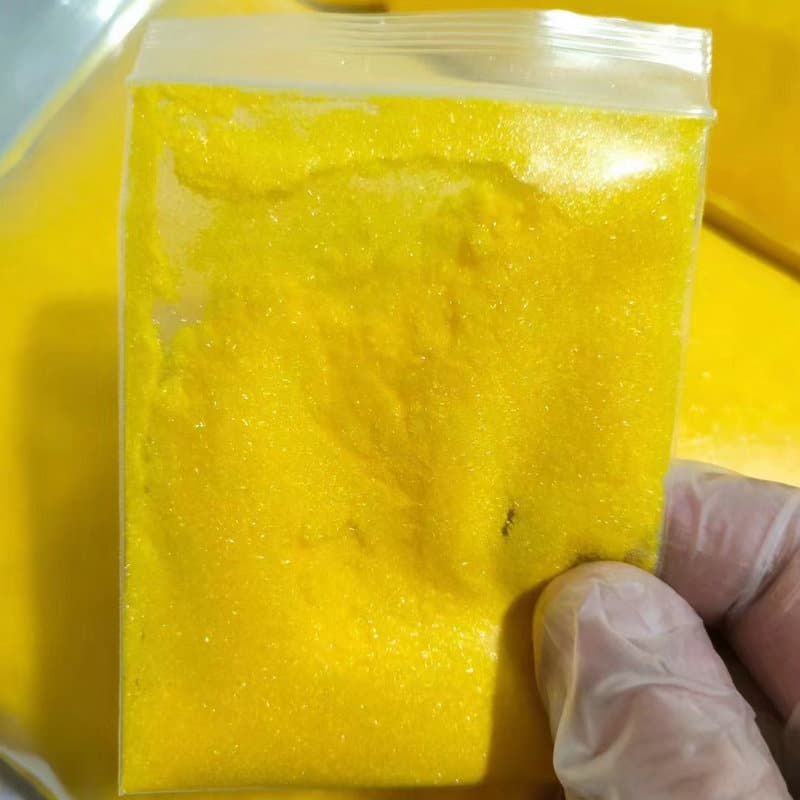
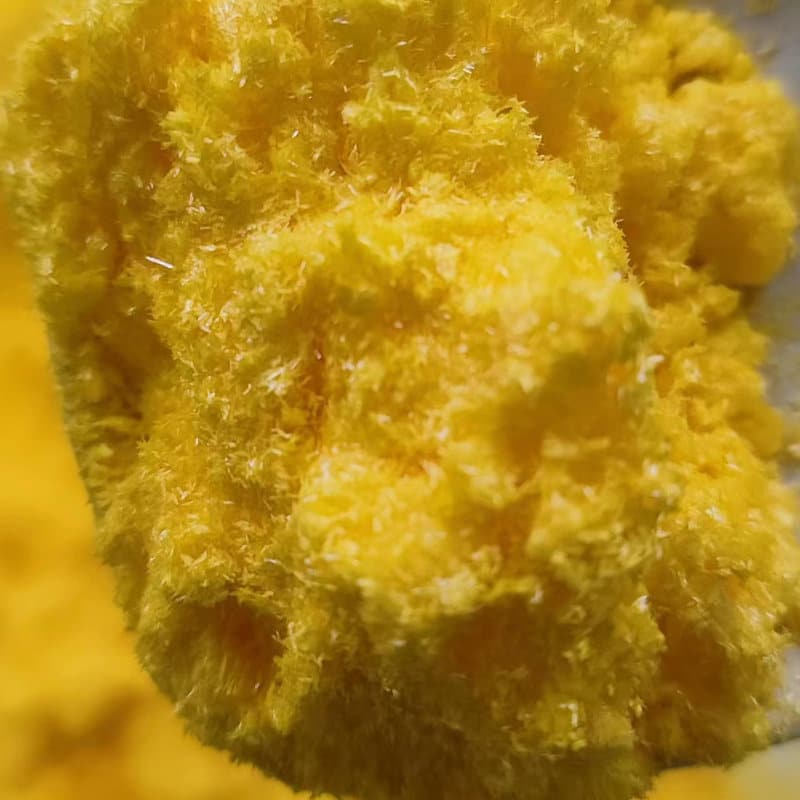
Hydroxypinacolone Retinoate, commonly abbreviated as HPR, is a retinoate ester-type retinoid derivative.
Unlike traditional Retinol, an important characteristic of HPR is that it has been studied for directly interacting with retinoic acid-related receptors, without needing to fully follow the traditional conversion pathway of "Retinol → Retinal → Retinoic Acid" to exert its effects.
Therefore, in modern anti-aging skincare formulas, HPR is often used as a novel retinoid active ingredient, especially suitable for product development that aims to balance retinoid efficacy, formula stability, and skin tolerance.
2. What Is Retinol?
The English name of retinol is Retinol, and it is a form of vitamin A with a relatively long history of use in cosmetics and a relatively rich body of research data.
After Retinol enters the skin, it undergoes enzymatic conversion, first being converted to retinal (Retinal), then further converted to retinoic acid (Retinoic Acid), and subsequently participates in cell renewal and extracellular matrix-related processes through retinoic acid-related receptors.
Precisely because retinol has a longer history of research and application, the publicly available research data on Retinol's effects on improving fine lines, rough skin, and photoaging performance is also more abundant than that for HPR.
II. The Core Differences Between Hydroxypinacolone Retinoate and Retinol
| Comparison Item | Hydroxypinacolone Retinoate HPR | Retinol |
|---|---|---|
| Ingredient Category | Retinoate-type vitamin A derivative | A form of vitamin A |
| Primary Action Pathway | Studies show it can directly act on retinoic acid-related receptors | Must first be converted to retinal, then to retinoic acid |
| Conversion Steps | Does not rely on the complete conversion pathway of traditional Retinol | Retinol Retinal Retinoic Acid |
| Stability | Shows good stability in related studies | More sensitive to light, oxygen, and temperature |
| Skin Tolerance | Some studies suggest relatively lower irritation potential | May cause dryness, flaking, redness, or stinging |
| Research accumulation | A relatively newer retinoid ingredient | Longer history of research and application |
| Formulation application | Products for anti-aging, fine lines, skin texture improvement, etc. | Products for anti-aging, photoaging, and skin texture improvement, etc. |
III. The biggest difference between HPR and retinol lies in their mechanism of action
To understand the difference between hydroxypinacolone retinoate and retinol, the key is to understand how retinoids work in the skin.
Traditional retinol needs to go through:
Retinol → Retinal → Retinoic Acid
Retinoic acid is the key active form that can directly bind to related nuclear receptors and regulate gene expression.
HPR, on the other hand, is a retinoic acid ester derivative. Current publicly available research suggests that it can act directly on retinoic acid-related receptors, and therefore does not depend on the complete two-step oxidative conversion process that retinol requires.
However, special attention should be paid: fewer conversion steps should not be simply understood as "HPR is definitely stronger than retinol." The final performance of a vitamin A ingredient in skincare products is also affected by many factors, including ingredient concentration, purity, formulation system, encapsulation technology, skin penetration behavior, product stability, and frequency of use.
4. Which is less irritating: Hydroxypinacolone Retinoate or Retinol?
A common issue with retinol in skincare is tolerability.
When some consumers use higher concentrations of retinol or apply it too frequently, they may experience vitamin A-related irritation such as skin dryness, flaking, stinging, and redness.
In recent years, research on HPR has shown that under certain experimental and formulation conditions, HPR exhibits relatively better skin tolerability.
For example, existing HPR-related studies have compared it with traditional retinol or other vitamin A derivatives, and the results suggest that HPR may reduce some irritation while maintaining vitamin A-like biological activity.
Therefore, for formulators looking to develop products in directions such as "gentle retinoids" and "low-irritation anti-aging," HPR has certain application value.
However, "HPR has low irritation" does not mean HPR carries no irritation risk at all. The final skin tolerance of a product is still related to the added amount, formula carrier, method of use, and individual skin condition.
5. Which has better stability, HPR or retinol?
Stability is a particularly important issue in the formula development of vitamin A ingredients.
Retinol has a relatively long conjugated double-bond structure and is quite sensitive to environmental factors such as light, oxygen, and heat. If formulation, production, packaging, and storage conditions are not properly controlled, oxidation, degradation, or color changes may occur.
Therefore, Retinol products usually need to focus on:
Light-blocking packaging;
Reducing oxygen exposure;
Controlling production temperature;
Using an antioxidant system;
Use encapsulation, liposomes, or other stabilization technologies.
Existing stability studies on various cosmetic vitamin A ingredients have found that different vitamin A ingredients may undergo varying degrees of degradation under light and high-temperature conditions, and HPR has shown better stability than Retinol under some experimental conditions.
However, this does not mean that HPR can completely ignore light protection and antioxidant measures. HPR also contains a vitamin A-type conjugated structure and still requires reasonable protection in high-temperature, strong-light, and oxidative environments.
6. Which has better anti-aging effects, Hydroxypinacolone Retinoate or Retinol?
This is one of the questions users searching for "HPR and Retinol" care about most.
Based on currently available public information, it cannot be simply concluded that "HPR is definitely more effective than Retinol" or that "Retinol is definitely stronger than HPR."
Retinol's advantage lies in its long history of use and large number of studies, with substantial publicly available research data on improving skin photoaging, fine lines, and skin texture.
HPR, on the other hand, is a new type of vitamin A derivative that has attracted attention in recent years. Some cell experiments, skin model studies, and human studies show that it can influence collagen-related gene expression and has the potential to improve photoaging manifestations.
Therefore, the more accurate distinction between the two ingredients should be understood as follows:
Retinol's advantage is its mature research foundation; HPR's advantages are more reflected in its mechanism of action, stability, and tolerability.
If you are a brand or formula developer, when selecting ingredients you should not simply compare "which one is stronger," but should also consider product positioning, target audience, intended dosage, stability, and irritation control.
7. Is HPR or Retinol more suitable for sensitive skin?
If the product development direction emphasizes gentleness, or the target consumers have lower tolerance to traditional Retinol, HPR will usually become a vitamin A option worth evaluating.
However, when consumers actually use it, they should still start at a low frequency to build tolerance, rather than using it frequently just because the ingredient name is HPR.
For Retinol, tolerance can also be significantly improved by reducing the concentration, adopting sustained-release encapsulation technology, lowering the frequency of use, and optimizing the moisturizing system.
Therefore, the final irritation level cannot be determined by only one factor, "Retinol or HPR"; the complete formula is often more important than a single ingredient name.
8. Can Hydroxypinacolone Retinoate and Retinol be used together?
Cosmetic formulas combining HPR and Retinol can exist, and related research is already available.
A study published in 2026 on mildly photoaged skin in middle-aged Chinese women evaluated a serum formula containing Retinol, HPR, peptides, and other active ingredients. The study observed improvements in fine lines, elasticity, moisturization, skin barrier, and pigmentation-related indicators, and reported good tolerance.
In addition, earlier studies have also evaluated products containing both HPR and encapsulated Retinol.
These materials indicate that, from a formulation technology perspective, HPR and Retinol are not absolutely incompatible for simultaneous use.
However, this does not mean consumers can freely layer two high-concentration vitamin A products. Finished formulations undergo concentration control, stabilization systems, and safety assessments, which are clearly different from combining two products on your own.
9. When formulating cosmetics, should you choose HPR or Retinol?
For cosmetics R&D and brand clients, ingredients can be selected in reverse based on product positioning.
If you focus more on established market recognition
Retinol has higher consumer awareness and abundant publicly available scientific research, making it suitable for traditional retinol anti-aging products.
If you focus more on the gentle vitamin A concept
HPR can serve as an important candidate, especially for product directions such as low-irritation, sensitive-skin anti-aging, and novel vitamin A products.
If you focus more on formulation stability
HPR performs better than Retinol in some stability studies, but both require light protection, antioxidant measures, and temperature control. Stability testing cannot be omitted based solely on the type of ingredient.
If you want to target multiple retinoid pathways at the same time
You can also explore combination formulas of HPR with Retinol or other retinoid derivatives, but the final addition level must be determined through stability, compatibility, human patch testing, or other safety evaluations.
10. What else should be considered when sourcing HPR and retinol raw materials?
For cosmetics factories, brand owners, and formula R&D personnel, when purchasing retinoid raw materials, you should not only compare prices but also pay attention to the following indicators:
Specific raw material name:
Confirm whether it is Hydroxypinacolone Retinoate or Retinol;Raw material purity:
Distinguish between high-purity raw materials and commercially available raw materials that have already been diluted or compounded;Testing method:
Understand the HPLC testing conditions and content calculation method;COA:
Confirm the actual test results for each batch of product;Storage Conditions:
Retinoid ingredients typically need to be protected from light, sealed airtight, and kept at controlled temperatures;Packaging Method:
Minimize the impact of light, oxygen, and temperature fluctuations during transportation and storage as much as possible;Stability Data:
For long-term commercial formulations, complete formulation stability testing should be conducted.
XI. Frequently Asked Questions About Hydroxypinacolone Retinoate and Retinol
1. Is HPR the same as retinol?
No. The English name of HPR is Hydroxypinacolone Retinoate, while Retinol is retinol. They are different chemical substances, though both belong to the vitamin A family of ingredients.
2. Does HPR need to be converted into retinoic acid before it can work?
Current research suggests that HPR can act directly on retinoic acid-related receptors, without relying on the complete "Retinol → Retinal → Retinoic Acid" conversion process that Retinol requires.
3. Is HPR necessarily gentler than Retinol?
In some studies, HPR has shown good tolerability, but actual irritation still depends on concentration, formulation system, and individual skin condition. Therefore, HPR should not be understood as being completely non-irritating.
4. Is HPR necessarily more effective than Retinol?
At present, this cannot be judged so simply. Retinol has more long-term research data, while HPR has its own characteristics in terms of action pathway, stability, and tolerability. The final effect also depends on raw material concentration, formulation design, and actual usage.
5. Can HPR and Retinol be added together?
Studies have evaluated formulations containing both HPR and Retinol, indicating that the two can be studied in combination. However, commercial products still require stability, compatibility, and safety evaluations based on actual addition amounts.
XII. Summary: How to choose between Hydroxypinacolone Retinoate and Retinol?
Hydroxypinacolone Retinoate and Retinol are both important vitamin A-class cosmetic active ingredients, but they are not the same ingredient.
Retinol needs to be converted to Retinal and ultimately to Retinoic Acid to exert its main biological effects. Its advantages are a long history of use, high consumer recognition, and abundant publicly available research.
HPR belongs to the retinyl ester class of vitamin A derivatives. Research shows that it can act directly on retinoic acid-related receptors, and in some studies it has demonstrated good stability and skin tolerance.
Therefore, for formulation development, there is no "which one is absolutely better" that applies in all cases. Traditional anti-aging products can continue to choose the mature Retinol system, while products emphasizing gentleness, novel vitamin A, and stability can focus on evaluating HPR; at the same time, combination formulas of HPR and Retinol can also be studied according to product positioning.
Whichever vitamin A-class ingredient is chosen, the final decision must be based on a comprehensive assessment of raw material purity, dosage, formula stability, packaging, storage conditions, and safety testing.
References
1. Journal of Cosmetic Dermatology: Research on anti-aging and tolerance related to Retinol and HPR.
2. Journal of Investigative Dermatology: Research on photoaging, receptor action, and skin tolerance related to Hydroxypinacolone Retinoate.
3. Pharmaceutics: Research on stability, irritation, and delivery systems related to Hydroxypinacolone Retinoate.
4. PubMed-indexed research on the combination of Retinol and Hydroxypinacolone Retinoate and skin applications.
Tags:
Related News
Hydroxypinacolone Retinoate Benefits
2026-10-03
Hydroxypinacolone Retinoate Benefits
2026-10-03
How to pronounce Hydroxypinacolone Retinoate
2026-10-03
Hydroxypinacolone Retinoate Pinyin
2026-10-03