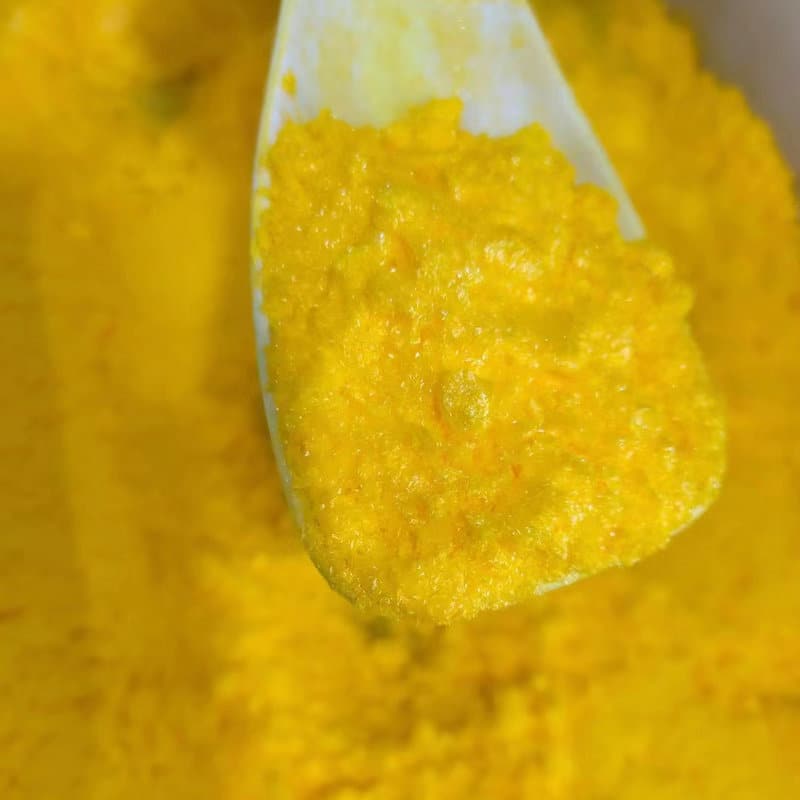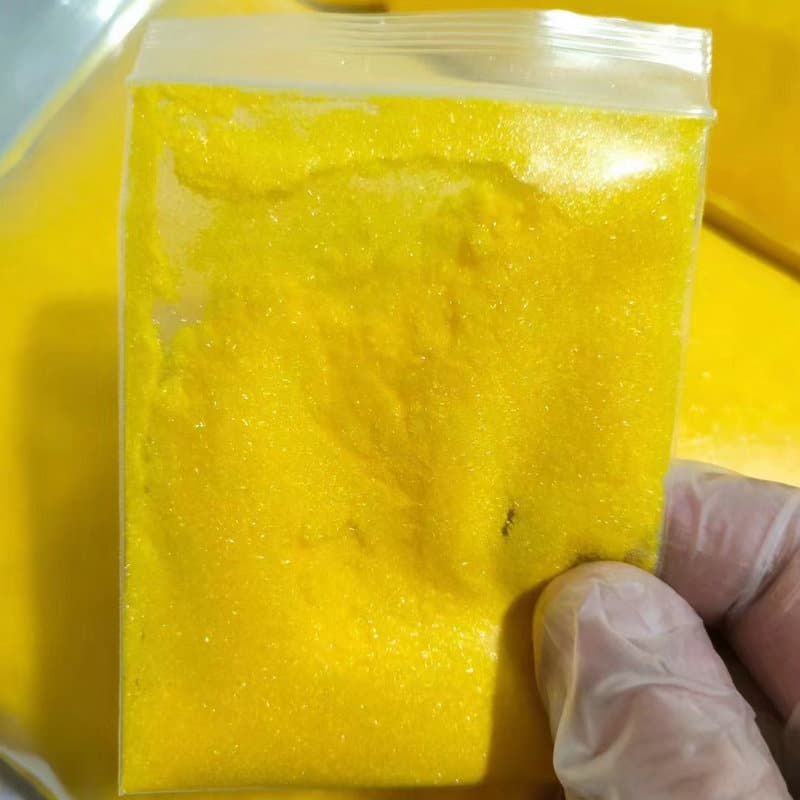


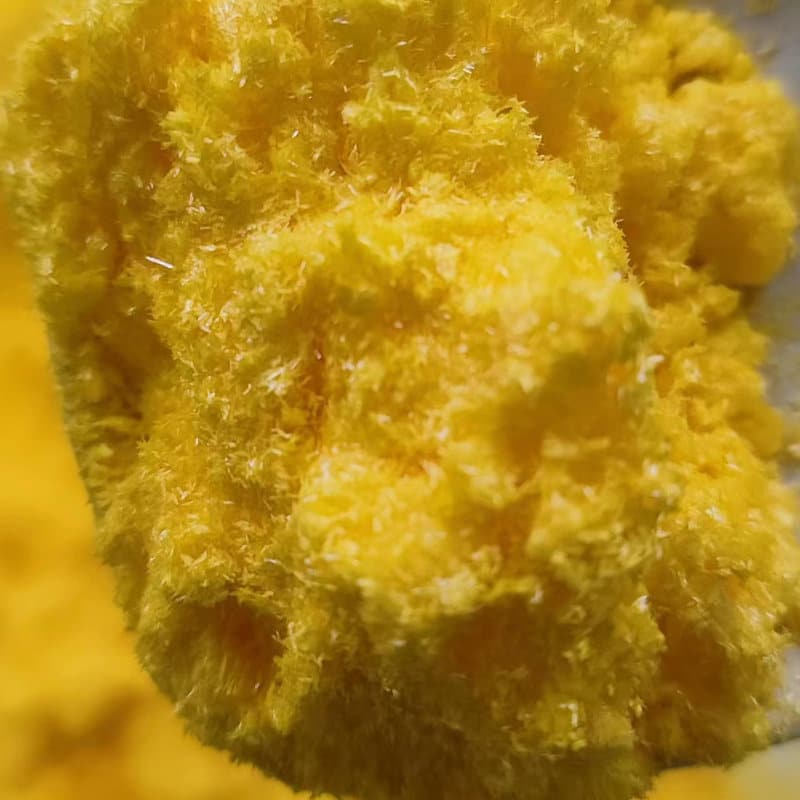
Hydroxypinacolone Retinoate HPR
Publish Time:
2026-10-03
Hydroxypinacolone Retinoate HPR
What Is Hydroxypinacolone Retinoate HPR? Benefits, Features, Formulation and Sourcing Guide
Hydroxypinacolone Retinoate HPR, English name is
Hydroxypinacolone Retinoate
, is a vitamin A derivative used in skincare and cosmetic formulations. Its CAS number is
893412-73-2, commonly abbreviated as
HPR
。
In recent years, with the increasing use of retinol, retinal, and other Retinoids active ingredients in anti-aging skincare products, HPR has gradually attracted the attention of formulators, cosmetic brands, and raw material buyers. When people search for "Hydroxypinacolone Retinoate HPR", they usually care most about a few questions: What exactly is HPR? How is it different from retinol? Is it oil-soluble? How is its stability? How is it used in formulations? And what parameters should be focused on when sourcing raw materials?
This article provides a systematic explanation of these questions from the perspective of raw materials and cosmetic formulation applications.
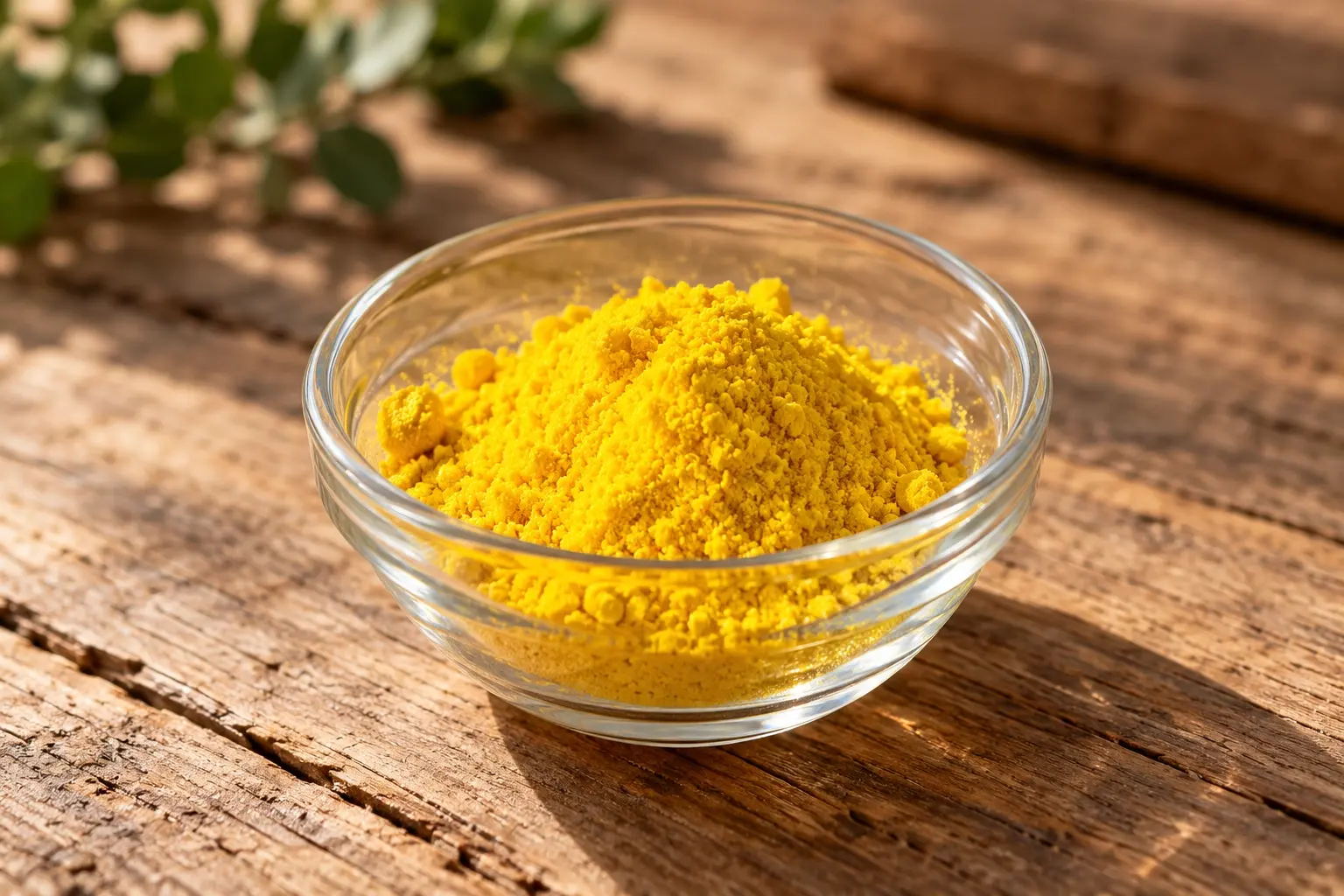
I. Basic Information on Hydroxypinacolone Retinoate HPR
| Chinese name | Hydroxypinacolone Retinoate |
| English Name | Hydroxypinacolone Retinoate |
| Abbreviation | HPR |
| CAS Number | 893412-73-2 |
| Molecular Formula | C26H38O3 |
| Molecular Weight | Approx. 398.6 g/mol |
| INCI Name | HYDROXYPINACOLONE RETINOATE |
| Ingredient Category | Retinoid (Vitamin A Derivatives) |
| Solubility Characteristics | Lipophilic; suitable for oil phases or appropriate solvent systems; not a directly water-soluble ingredient |
From a chemical structure perspective, HPR is a retinoic acid ester compound. Compared with vitamin A ingredients such as Retinol and Retinal, its molecular structure and the way it enters the retinoid signaling pathway are different.
2. What is the relationship between HPR and Retinol?
Both HPR and Retinol belong to the Retinoids class of ingredients, but they are not the same substance.
After traditional Retinol enters the skin, it needs to undergo a series of conversion processes to form retinoic acid-like substances that can participate in related biological effects. HPR, on the other hand, is an ester derivative of retinoic acid. Some in vitro studies suggest that it can participate in retinoic acid receptor-related signaling pathways, making it a new type of vitamin A derivative that has been widely studied in the cosmetics field in recent years.
| Comparison Item | HPR | Retinol |
|---|---|---|
| Ingredient Type | Retinoate Derivatives | A Form of Vitamin A |
| Common Abbreviation | HPR | Retinol |
| CAS Number | 893412-73-2 | 68-26-8 |
| Water-Soluble | Not Water-Soluble | Not Water-Soluble |
| Formulation Considerations | Solubility, Light and Heat Stability, Oxidation Protection | Light, Heat, and Oxidation Stability |
It should be noted that simple multiplier comparisons such as "how many times stronger HPR is than retinol" are not rigorous, because the actual effect is influenced by many factors such as effective concentration, formulation system, skin condition, packaging, stability, and usage period.
III. What does Hydroxypinacolone Retinoate (HPR) do?
Research and applications of HPR in cosmetics mainly focus on retinoid skincare directions, such as skin aging, fine lines, skin texture, and photoaging-related care.
1. Anti-aging and fine line care
Retinoids have long been an important ingredient in anti-aging skincare research. Existing experimental studies show that HPR can affect biological processes related to the extracellular matrix and collagen, so it is often used in the formulation design of anti-wrinkle, firming, and anti-aging products.
2. Improving skin roughness and texture
Retinoid ingredients can affect keratinocyte turnover and the condition of the skin surface, so products containing HPR are commonly found in products aimed at improving roughness, dullness, and uneven skin texture.
3. Photoaging care
In recent years, research on HPR and related retinoid derivatives also includes UV-induced skin photoaging models. However, in vitro experiments or model experiments at the raw material level cannot be directly equated with the actual human effects of a finished skincare product, and the final judgment still needs to be based on the finished formulation and efficacy testing.
IV. How is the stability of HPR?
Stability is a very important issue for Hydroxypinacolone Retinoate (HPR) in practical formulation development.
Published retinoid stability studies show that among the various vitamin A derivatives compared, HPR has demonstrated relatively good stability. However, "better stability" does not mean that HPR will not degrade at all.
The HPR molecule still contains a relatively long conjugated double-bond structure, so content loss or color change may still occur under light exposure, high temperatures, oxidizing environments, and unsuitable formulation systems.
In practical development, the following should usually be given close attention:
Reduce prolonged exposure to strong light;
Avoid unnecessary high-temperature processing;
Control the oxidizing environment in the formulation;
Select a suitable oil phase or solvent system;
Conduct accelerated stability and long-term stability testing;
For the finished product, choose packaging with good light-blocking properties whenever possible.
For commercial products, judging stability solely based on the raw material itself is not enough; the actual residual content of HPR in the final formula should also be tested.
5. Is HPR water-soluble or oil-soluble?
HPR is a
highly lipophilic raw material
, with poor solubility in water, so it cannot be added directly to the water phase like water-soluble raw materials such as niacinamide and sodium hyaluronate.
In actual formulas, it usually needs to be pre-dissolved using appropriate oils, solvents, or carriers before being added to the emulsification system.
The market also offers so-called "water-soluble HPR," "HPR liposomes," or "HPR microcapsules." These usually do not mean that the HPR molecule itself has become a truly water-soluble compound, but rather that encapsulation, solubilization, or delivery systems are used to improve its dispersion and application performance in aqueous formulas.
6. Why do many formulas now use encapsulated HPR?
Although HPR has good application potential, it still suffers from issues such as strong lipophilicity, difficulty in dispersion, and susceptibility to light, heat, and oxidation.
Therefore, in recent years, nanoemulsions, liposomes, microcapsules, and other encapsulation technologies have emerged. Research shows that appropriate delivery systems can improve the dispersibility, formula stability, and skin delivery performance of HPR.
However, ordinary HPR powder and encapsulated HPR are raw materials in different forms and cannot be simply replaced directly using the same dosage. When purchasing and designing formulations, you should first confirm the
actual HPR content
。
7. What is the typical HPR dosage?
There is no fixed HPR dosage that applies to all products, because the market includes both high-purity HPR raw materials and 10% HPR solutions, microcapsules, liposomes, and other compounded products.
For example, 1% of a "10% HPR solution" is theoretically equivalent to only about 0.1% HPR active, so when discussing dosage, it is essential to distinguish between
raw material dosage
and
actual HPR active content
。
Publicly compiled information from China's cosmetic ingredient database shows that hydroxypinacolone retinoate has a recorded historical maximum use level of about 0.3% in some marketed leave-on products, and there are also public records of use at about 0.2% in eye-area leave-on products.
Special note:
Historical usage data cannot be simply understood as the legal recommended concentration or a unified safety limit for all products.
Actual development should still determine usage levels based on product category, raw material specifications, safety assessment data, and current regulatory requirements.
8. What should be noted when developing HPR formulations?
1. First confirm the raw material form
First confirm whether you are purchasing high-purity HPR powder, or HPR solution, liposomes, microcapsules, or other compounded raw materials.
2. Not recommended to add directly to the water phase
Ordinary HPR is relatively lipophilic, and direct dispersion into the water phase can easily cause dissolution and precipitation issues.
3. Avoid prolonged high temperatures
During production, minimize the residence time of HPR under high-temperature conditions. The specific addition temperature should be determined based on the TDS or formulation guidelines provided by the supplier of the purchased raw material.
4. Pay attention to light protection and antioxidant design
Light, oxygen, and other factors should be considered during raw material weighing, production, and finished product packaging, as they can affect the stability of vitamin A derivatives.
5. Final formula stability testing is mandatory
Different emulsifiers, oils, solvents, antioxidants, pH, packaging materials, and other active ingredients may all alter the final stability of HPR.
9. What parameters should be considered when purchasing Hydroxypinacolone Retinoate (HPR)?
If you are a cosmetics factory, brand R&D department, or raw material trader purchasing HPR, it is not advisable to compare only "price per kilogram" — you should also confirm the following documentation:
CAS Number:
Whether it is 893412-73-2;INCI:
Whether it is HYDROXYPINACOLONE RETINOATE;Content:
Confirm whether it is high-purity HPR, or a compounded system such as 10%, 20%, etc.;Testing method:
Confirm the method used for content testing and the corresponding chromatographic data;COA:
View the test results for the specific batch;SDS:
Confirm storage, transportation, and handling requirements;TDS or specification sheet:
Learn about solubility, appearance, and formulation recommendations;Batch stability:
Especially for large-scale procurement, attention should be paid to the consistency between different batches;Packaging:
Vitamin A-type ingredients should be given special attention regarding light protection, sealing, and transportation conditions.
10. How should HPR be stored?
Hydroxypinacolone retinoate is relatively sensitive to light, heat, and oxidative environments, so it is usually recommended to use
light-protected, sealed, low-temperature or cool conditions
for storage.
However, the specific storage temperature may vary for products of different purities, different solvent systems, and different suppliers. Therefore, after procurement, priority should be given to storing according to the SDS, TDS, and product label requirements of the corresponding batch, rather than referring only to a uniform temperature found online.
11. Are HPR and Granactive Retinoid the same thing?
These two names are often used interchangeably, but strictly speaking, they cannot simply be equated.
Hydroxypinacolone Retinoate (HPR)
refers to the specific chemical ingredient, whereas some Granactive Retinoid products on the market are commercial blends or solution systems containing HPR, which may also contain carriers such as Dimethyl Isosorbide (DMI).
Therefore, when sourcing raw materials or calculating the actual HPR concentration in a formulation, the actual HPR content stated in the product COA, INCI, and specification sheet should be used as the basis.
12. Hydroxypinacolone Retinoate HPR FAQ
What is the CAS number of HPR?
The CAS number of Hydroxypinacolone Retinoate HPR is
893412-73-2。
What is the molecular formula of HPR?
The molecular formula is
C26H38O3
。
What is the molecular weight of HPR?
The molecular weight is approximately
398.6 g/mol
。
Is HPR the same as retinol?
No. HPR and Retinol both belong to the vitamin A-related ingredient family, but their chemical structures, CAS numbers, and formulation applications are different.
Can HPR be dissolved directly in water?
Standard HPR raw material is not a directly water-soluble ingredient; it typically needs to be formulated through an oil phase, suitable solvents, solubilization, or encapsulation systems.
Is HPR stable?
Compared with some traditional retinoids, HPR has shown relatively good stability in studies, but it is still affected by light, high temperature, oxidation, and the final formulation system. Therefore, it still needs to be stored away from light and undergo finished-product stability testing.
What is most important when purchasing HPR raw material?
It is recommended to confirm the CAS number, actual HPR content, COA, HPLC test data, SDS, TDS, storage conditions, and batch-to-batch stability at the same time, rather than comparing price alone.
Summary
Hydroxypinacolone Retinoate HPR (CAS 893412-73-2)
It is a vitamin A derivative that has attracted attention in the cosmetics industry. Its application value is mainly focused on anti-aging, skin texture improvement, and photoaging care.
HPR is highly lipophilic, and practical formulation development needs to focus on solving issues such as dissolution, dispersion, photothermal stability, and oxidation protection. Rather than simply focusing on "how much HPR is added," it is more important to clarify the actual content of the raw material, the carrier system, and the effective concentration in the final product.
For raw material procurement personnel, when selecting HPR, they should focus on verifying CAS 893412-73-2, purity, testing methods, COA, SDS, TDS, storage and transportation conditions, and batch consistency; for formulation R&D personnel, they should confirm the stability of HPR in the final product system through actual stability testing, rather than relying solely on theoretical data at the raw material level.
Tags:
Related News
Hydroxypinacolone Retinoate Benefits
2026-10-03
Hydroxypinacolone Retinoate Benefits
2026-10-03
How to pronounce Hydroxypinacolone Retinoate
2026-10-03
Hydroxypinacolone Retinoate Pinyin
2026-10-03