Application of Hydroxypinacolone Retinoate in Cosmetics: Efficacy, Formulation, and Dosage Considerations
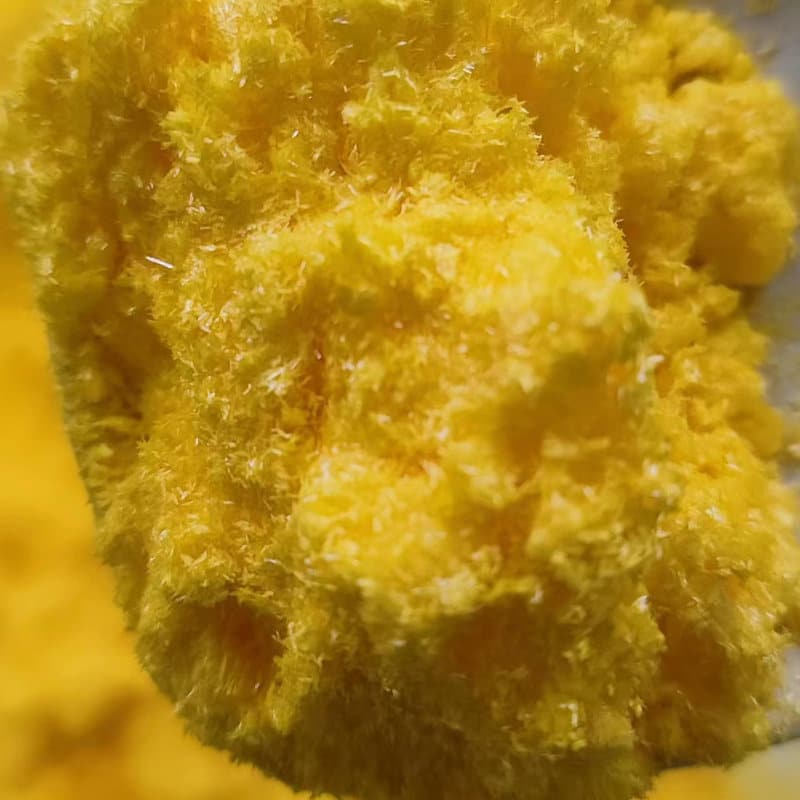
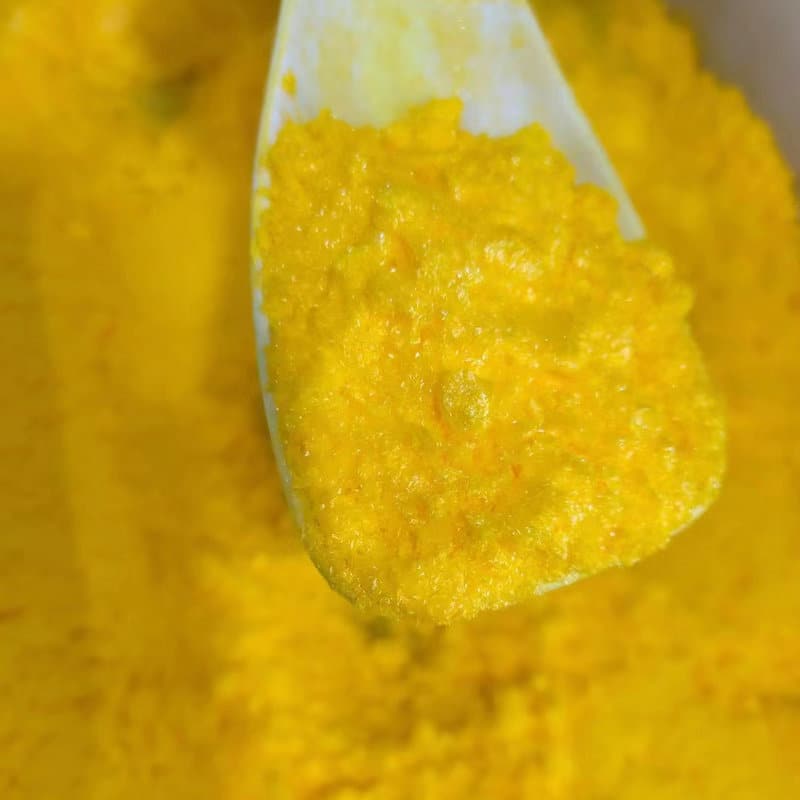
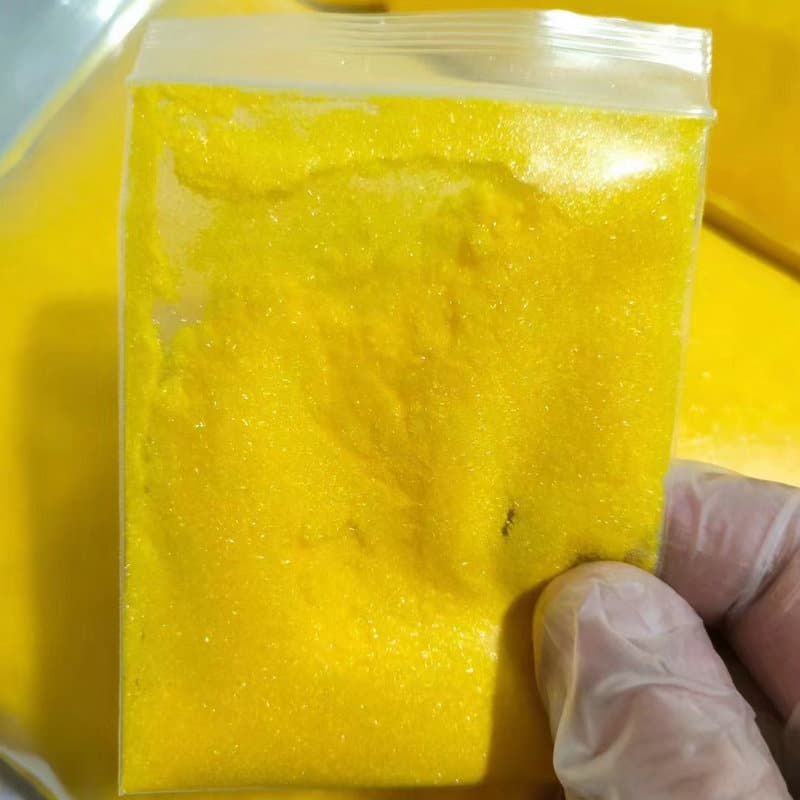
Hydroxypinacolone Retinoate (HPR) is a vitamin A-type active ingredient used in cosmetic formulations, with CAS number 893412-73-2. It is currently mainly used in anti-aging serums, creams, eye creams, night creams, and other leave-on skincare products aimed at improving the appearance of skin aging.
For cosmetic R&D professionals, when selecting HPR, you should not only focus on "how strong the efficacy is," but also consider raw material purity, solubility, formulation system, photo-thermal stability, packaging method, and stability testing of the final product.
1. What Is Hydroxypinacolone Retinoate?
The English INCI name of Hydroxypinacolone Retinoate is
HYDROXYPINACOLONE RETINOATE
, commonly abbreviated as
HPR
. It belongs to the vitamin A derivative family, the same category of skincare active ingredients as the more familiar Retinol and Retinal, but its molecular structure and application in formulations are not entirely the same.
| Item | Information |
| Chinese Name | Hydroxypinacolone Retinoate |
| English Name | Hydroxypinacolone Retinoate |
| Abbreviation | HPR |
| CAS Number | 893412-73-2 |
| Main Applications | Anti-aging, wrinkle-reducing, and skin texture improving cosmetics |
| Common Product Forms | Serums, lotions, creams, eye creams, night creams and other leave-on products |
2. What are the main functions of hydroxypinacolone retinoate in cosmetics?
The core value of HPR in cosmetics mainly comes from its retinoid activity, so it is typically used in anti-aging and skin condition improvement products. The actual efficacy depends on factors such as the effective HPR content in the final formula, the carrier system, product stability, and duration of use.
1. Used in anti-aging and wrinkle-reducing products
Retinoids have long been one of the important active ingredients in anti-aging skincare products. HPR is therefore often used in facial serums, anti-aging creams, eye care products, and nighttime care products to help improve the appearance of fine lines, roughness, and other signs related to skin aging.
Some studies have also observed the effects of HPR-related systems on collagen-related indicators, but in actual cosmetics, the final efficacy cannot be simply inferred from a single raw material. It needs to be combined with human efficacy evaluations of the finished product or other compliant efficacy evaluation data.
2. Used to improve skin roughness and texture
In addition to the anti-wrinkle concept, HPR also frequently appears in cosmetics focused on skin renewal, refined texture, and improving roughness. Therefore, in terms of product positioning, it can be used not only in "anti-wrinkle serums" but also in combination products targeting skin texture improvement.
3. Suitable for developing a new generation of retinoid products
Traditional retinol has high consumer awareness, but retinol is also sensitive to light, heat, and oxygen. Stability studies on commercial cosmetics have found that the stability of different retinoid ingredients varies significantly, and the final stability is highly dependent on the specific formula system.
Among several retinoid ingredients tested in related studies, HPR has demonstrated relatively good stability, which is why it has gradually become one of the ingredients formulators focus on when developing next-generation retinoid skincare products.
3. What cosmetics is HPR typically used in?
From a practical formulation design perspective, hydroxypinacolone retinoate is particularly suitable for use in
leave-on skincare products
, because such products allow the active ingredient to remain on the skin surface for a relatively longer period of time.
Common applications include:
Anti-aging serums;
Anti-wrinkle creams;
Night creams;
Eye creams and eye serums;
Vitamin A complex essence;
Lotion;
Oil-based essence;
Microemulsion, nanoemulsion, or other encapsulated active systems.
For transparent aqueous essences, HPR is generally more difficult to formulate than ordinary cream systems, partly because HPR is not a water-soluble active that can simply be added directly to water. To develop water-light, transparent, or high-aqueous-phase products, key challenges include solubilization, dispersion, and long-term stability.
4. How should hydroxypinacolone retinoate be incorporated into cosmetic formulas?
This is one of the most noteworthy issues in the practical application of HPR. HPR is a highly lipophilic ingredient and cannot be added directly to large amounts of water in the same way as ordinary water-soluble actives.
1. Prioritize an oil phase or a suitable solvent system
During formula development, it is usually necessary to first select an appropriate oil, solvent, or carrier system based on the specific form of the purchased HPR raw material, so that it is fully dissolved or uniformly dispersed before being added to the main formula.
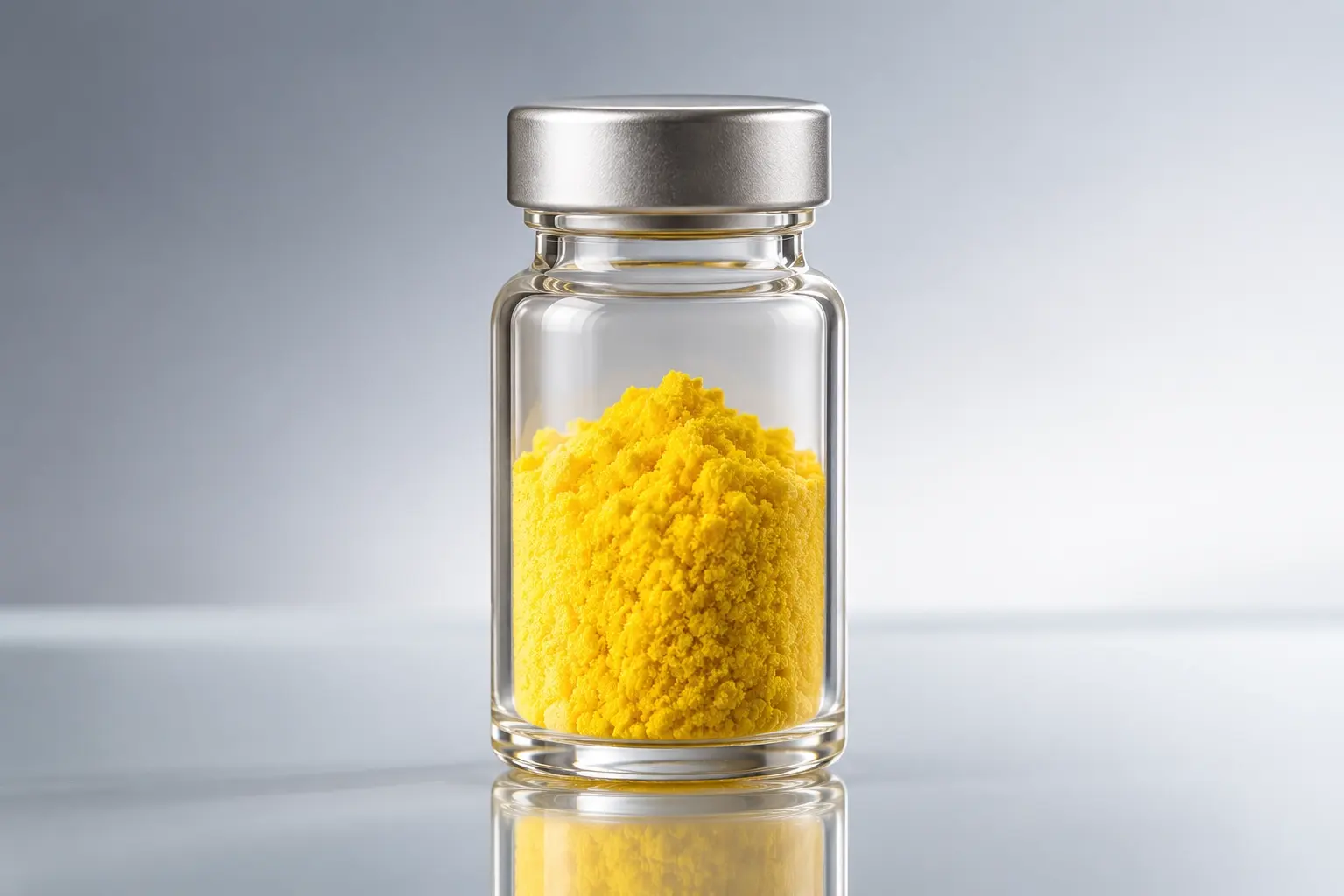
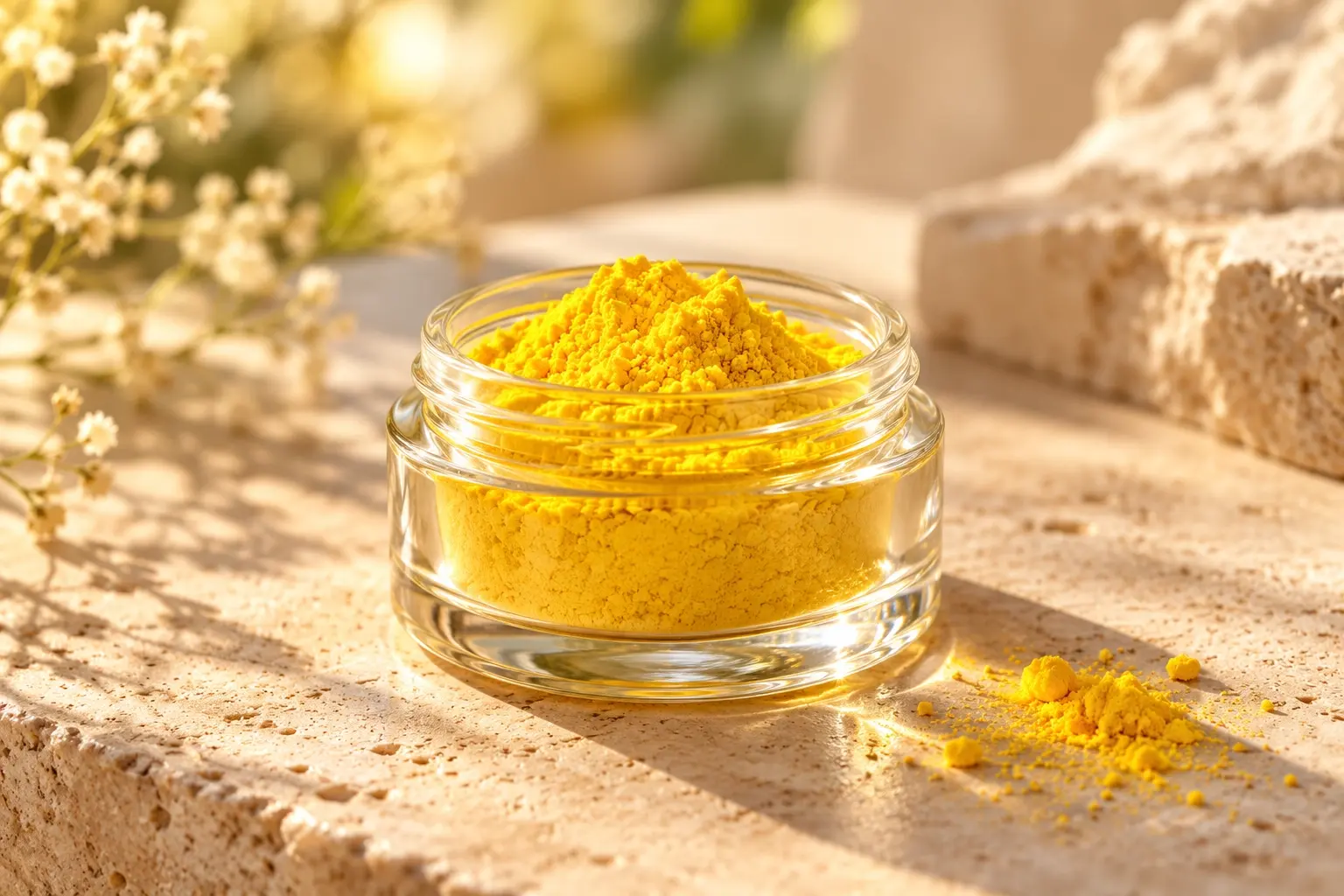
Particular attention should be paid to the fact that "HPR raw materials" on the market are not all identical. Some suppliers offer high-purity HPR powder, some offer HPR solutions pre-dispersed in solvent, and others offer compounded products such as microcapsules, liposomes, and nanoemulsions.
Therefore, the "addition amount of a certain 10% HPR blend" cannot be directly applied to "99% HPR pure powder." When calculating the formula, first confirm
the actual active content of HPR
。
2. Avoid prolonged high-temperature treatment
The HPR molecular structure contains a conjugated double bond system. Like other vitamin A ingredients, it requires attention to the effects of temperature, light, and oxidative environment on stability. Therefore, in actual production, it is not recommended to expose HPR to unnecessary high-temperature conditions for prolonged periods.
If the emulsification process requires high temperatures, the appropriate addition stage should be determined based on the TDS, stability data, and actual formula testing provided by the ingredient supplier, rather than simply operating at a fixed temperature.
3. Control light and oxidation
Published stability studies on vitamin A cosmetics show that light exposure can cause significant degradation of active ingredients, and the degree of degradation varies considerably among different formulas.
Therefore, during HPR formula development, production, filling, and storage, strong light and unnecessary air exposure should be minimized as much as possible. For finished product packaging, priority can also be given to packaging forms with certain light-blocking capability and lower air backflow.
5. Why does HPR use encapsulation, microemulsion, or nanoemulsion technology?
In recent years, microemulsions, nanoemulsions, and encapsulation technologies have appeared more and more frequently in HPR formula research, mainly because simply adding HPR to an ordinary system does not necessarily solve the problems of solubility, stability, and skin delivery at the same time.
In a 2025 study on HPR nanoemulsions, researchers used different oil phases to establish O/W nanoemulsion systems for HPR. The experimental results showed that, compared with free HPR, the nanoemulsion systems were able to improve stability and skin retention performance under certain conditions.
This does not mean that all HPR cosmetics must use nanotechnology, but it shows that
the carrier system itself is one of the important factors determining the actual application performance of HPR
。
For ordinary lotions, creams, and oil-based products, a simpler solubilization system can be selected according to product positioning; while for high-end serums, transparent systems, or products intended to further improve stability, options such as microemulsions, liposomes, or nanoemulsions can be studied.
6. What is the difference between hydroxypinacolone retinoate and retinol?
HPR and retinol often appear together in the development of vitamin A products, but the two cannot be simply understood as the same raw material.
| Comparison Item | HPR | Retinol |
| Raw Material Type | Retinoic acid ester derivatives | Vitamin A Alcohol |
| Common English Name | Hydroxypinacolone Retinoate | Retinol |
| CAS Number | 893412-73-2 | 68-26-8 |
| Formulation Considerations | Solubility, photothermal stability, carrier system | Light, heat, and oxygen stability |
| Main Applications | Anti-aging, wrinkle reduction, skin texture improvement | Anti-aging, wrinkle reduction, skin texture improvement |
Some studies suggest that HPR can interact with retinoic acid receptors, whereas traditional retinol typically requires metabolic conversion to form a receptor-active form. This is one of the reasons HPR is often called a "new-generation vitamin A ingredient."
However, from a formulation perspective, there is no simple conclusion that "HPR is necessarily better than retinol." The two ingredients each have their own characteristics in terms of consumer perception, cost, formulation stability, ingredient specifications, and product positioning, and should be selected based on the finished product goals.
7. What is the recommended addition level of Hydroxypinacolone Retinoate?
The addition amount of HPR needs to be differentiated between
pure HPR
and
HPR compound ingredients
. This is a very easily confused issue in actual procurement and formula development.
For example, for a compound ingredient labeled "10% HPR", when added at 1% to the finished product, the theoretical active HPR content is not 1%, but needs to be recalculated based on the actual HPR content of that compound ingredient.
In publicly available Chinese cosmetic ingredient information, historical use information of hydroxypinacolone retinoate in leave-on products can be found, among which a historical usage record of 0.3% can be seen for systemic leave-on products. It should be noted that
historical usage is not equal to a unified recommended addition amount, nor can it be directly understood as the legal maximum addition amount for all products
。
The actual addition ratio should comprehensively consider the following factors:
the actual HPR purity of the ingredient;
Whether the raw material is a pure powder or a compounded liquid;
Application site of the product;
Application method of the product;
Formulation system;
Finished product safety assessment;
Efficacy evaluation results;
Regulatory requirements of the target market.
Therefore, when purchasing HPR, you should first confirm the COA, specification sheet, TDS, SDS, and active ingredient content of the raw material with the supplier, and then have the formulation engineer calculate the actual addition amount.
8. The most important thing to note in HPR formulations is stability
Although HPR has shown better stability than other tested vitamin A ingredients in some studies, this does not mean that HPR itself is "completely stable".
A study on retinoid ingredients in commercial cosmetics found that different formulations vary greatly in degradation during long-term and accelerated testing, with photodegradation being particularly noteworthy. The study also noted that the stability of retinoid raw materials is significantly affected by the specific formulation.
Therefore, for commercial cosmetics containing HPR, it is recommended to focus on at least the following:
High-temperature stability;
Long-term stability at room temperature;
Light stability;
Freeze-thaw stability;
Changes in color and odor;
Changes in effective HPR content;
Packaging compatibility.
Observing whether the emulsion has separated is not enough. For retinoid products, if conditions permit, analytical methods such as HPLC should also be used to monitor changes in HPR content during storage.
9. How should Hydroxypinacolone Retinoate be stored?
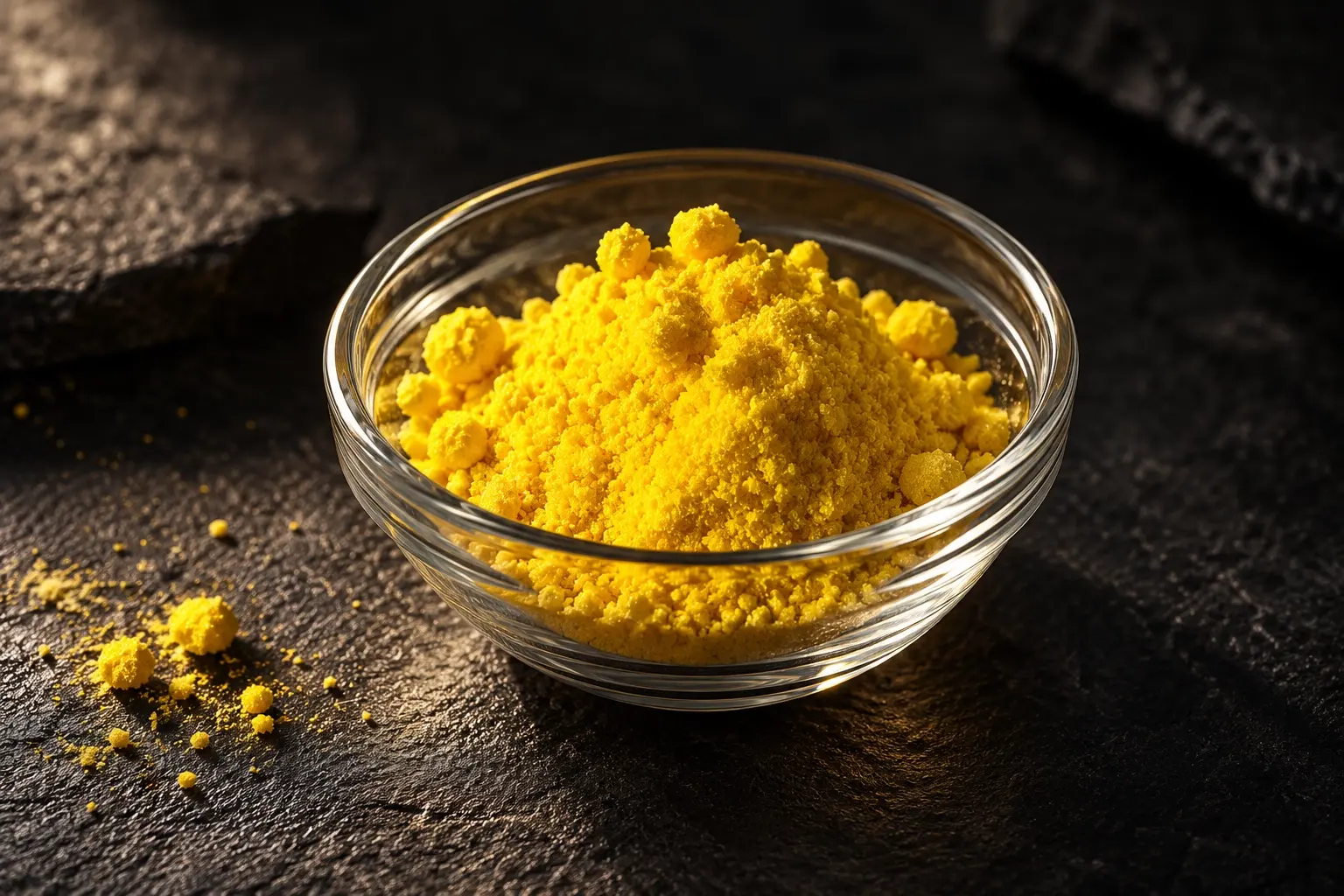
During storage of high-purity HPR raw material, priority should be given to avoiding light, high temperatures, air, and other conditions that may accelerate oxidative degradation. The specific storage temperature should be based on the raw material specification sheet and SDS requirements provided by the supplier.
In particular, the recommended storage conditions for high-purity powder raw materials and commercially compounded HPR that has already been stabilized with solvents may not be exactly the same. Therefore, it is not advisable to determine a uniform storage temperature based solely on the name "HPR."
After opening, the raw material should also be exposed for as little time as possible and resealed promptly. For small-package raw materials in R&D laboratories, they can be divided into portions according to actual usage to reduce repeated opening.
10. What indicators should be considered when purchasing cosmetic-grade HPR?
If a cosmetic factory, brand R&D department, or formulation laboratory is purchasing Hydroxypinacolone Retinoate, it is recommended not to compare only the price per kilogram, but also to focus on confirming raw material quality and testing documentation.
When purchasing, the following items should be confirmed with priority:
CAS number:
Whether it is 893412-73-2;Actual content:
Confirm whether it is high-purity HPR or a compounded solution;Testing methods:
Learn about the content testing method and chromatographic conditions;COA:
Confirm whether an inspection report is provided for each batch;HPLC:
For high-purity raw materials, it is recommended to confirm the chromatographic testing data;SDS/TDS:
Used to understand storage, handling, and formulation recommendations;Batch stability:
Especially important during commercial production;Packaging and Transportation:
For Vitamin A-type ingredients, special attention should be paid to light protection and temperature control.
XI. Summary of Hydroxypinacolone Retinoate Applications in Cosmetics
Hydroxypinacolone Retinoate (HPR) is currently mainly used in
anti-aging, wrinkle-reducing, skin texture improvement, and Vitamin A-type compound skincare products
. It can be used in serums, creams, eye creams, night creams, lotions, as well as various encapsulation and nano-delivery systems.
However, for formulation engineers, the real application focus of HPR is not simply "adding the ingredient in," but rather solving issues such as
active content, dissolution, dispersion, photo-thermal stability, packaging, and long-term storage stability
and other such problems.
In particular, it is necessary to distinguish between high-purity HPR such as 99% and HPR blend raw materials such as 5% and 10% on the market. The actual addition levels and formulation methods of the two cannot be directly applied interchangeably.
If used for commercial cosmetic development, it is recommended to obtain complete COA, SDS, TDS, and raw material specification documents before finalizing the formula, and to complete the corresponding stability, safety assessment, and efficacy evaluation according to the target product.
FAQ
Can HPR be added directly to water?
It is generally not recommended to add high-purity HPR directly to the water phase as an ordinary water-soluble raw material. In practical applications, the formula design needs to incorporate a suitable oil phase, solvent, solubilization system, or encapsulation technology.
Can HPR be used in serums?
Yes. HPR can be used in serum-type products, but for high water-phase or transparent serums, the key issues to address are dissolution, dispersion, and long-term stability.
Are HPR and retinol the same raw material?
No. The English name of HPR is Hydroxypinacolone Retinoate, with CAS number 893412-73-2; retinol is Retinol, with a common CAS number of 68-26-8. They are different vitamin A-type raw materials.
Is HPR completely non-irritating to the skin?
It cannot be understood that way. Some studies show that HPR or specific HPR delivery systems have good tolerability, but the irritation potential of any specific cosmetic product is affected by concentration, formulation, frequency of use, and individual differences. A conclusion of "completely non-irritating" cannot be drawn based on a single ingredient alone.
What is the CAS number of Hydroxypinacolone Retinoate?
The CAS number of Hydroxypinacolone Retinoate (HPR) is
893412-73-2。
Why is it necessary to distinguish between pure powder and compounded liquid when purchasing HPR?
Because the active HPR content of the two can differ greatly. For example, with high-purity HPR raw material and a 10% HPR compounded liquid, even if the same "addition percentage" is used, the actual HPR content in the final product will be completely different. Therefore, calculations must be based on active content.