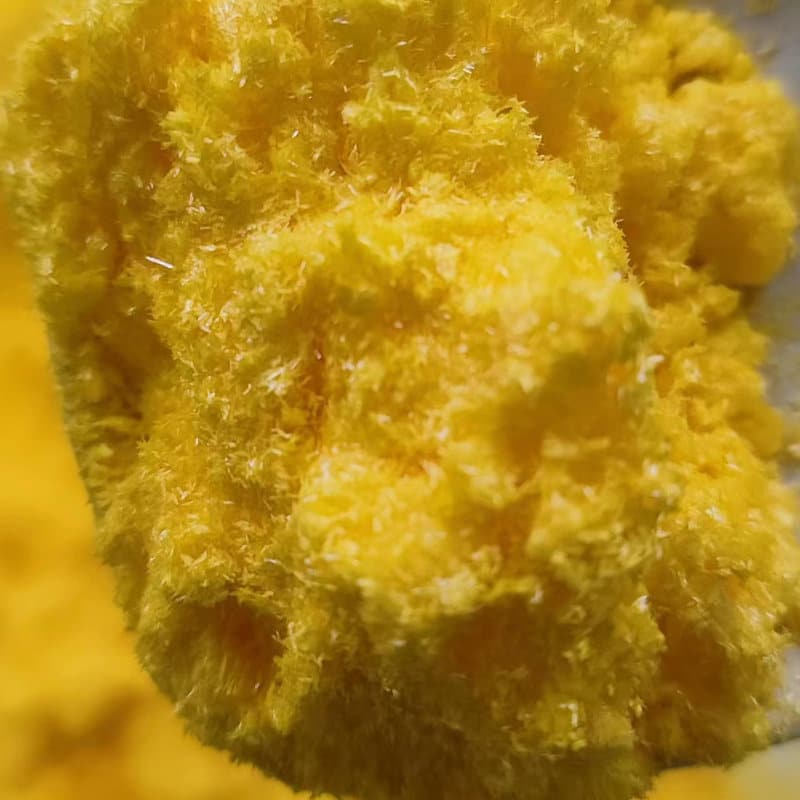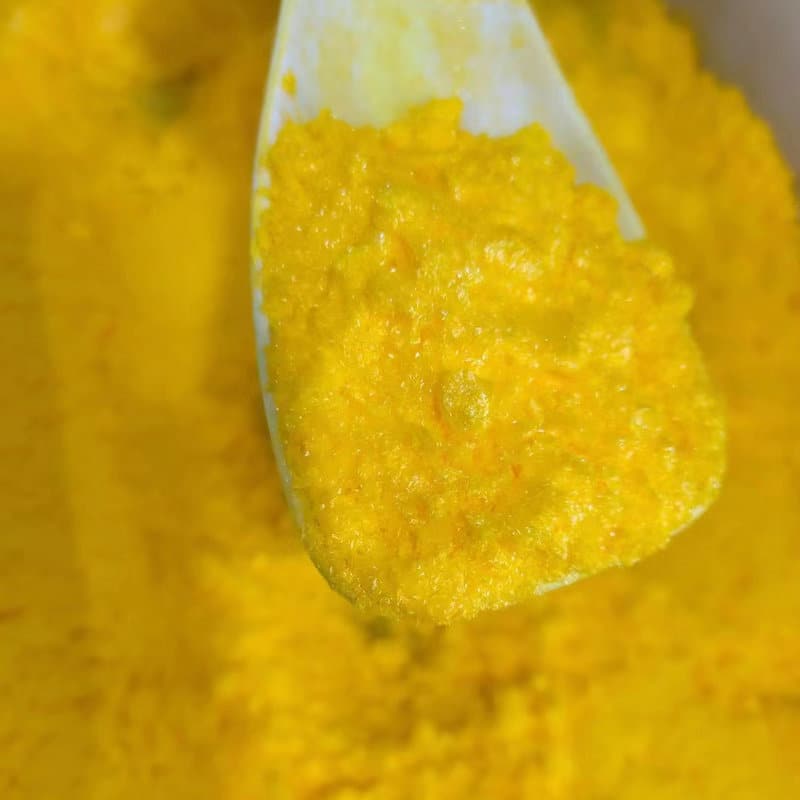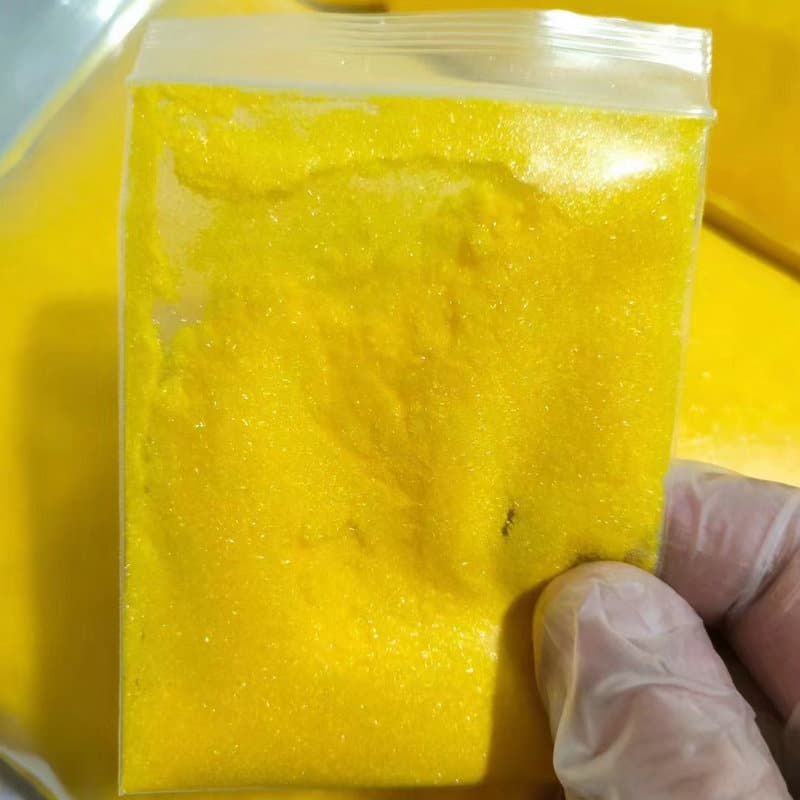
What Are the Storage Conditions for Hydroxypinacolone Retinoate? A Detailed Guide to Proper HPR Storage
The storage conditions for Hydroxypinacolone Retinoate are a very important parameter when purchasing and using HPR raw materials. Hydroxypinacolone Retinoate (abbreviated as HPR, CAS 893412-73-2) belongs to the vitamin A category of cosmetic raw materials and is relatively sensitive to light, temperature, and prolonged air exposure, so during storage it is usually necessary to pay attention to
low temperature, protection from light, airtight sealing, and dryness
。
However, special attention should be paid: the HPR storage temperatures indicated in different suppliers' materials may not be entirely the same. This is because HPR on the market comes in different specifications such as high-purity powder, solution type, and oil-soluble compound type, and the storage temperature of one particular product cannot be directly applied to all Hydroxypinacolone Retinoate products. In actual storage, priority should be given to following the storage requirements provided on the batch product label, TDS, SDS, or by the supplier.
1. How Is Hydroxypinacolone Retinoate Generally Stored?
For high-purity Hydroxypinacolone Retinoate powder, the more common storage principles can be summarized as:
Store at low temperature:
Avoid prolonged exposure to high-temperature environments.Store away from light:
Avoid prolonged exposure to sunlight and strong light.Store sealed:
Reseal promptly after use to minimize prolonged exposure to air.Keep dry:
Avoid humid environments and prevent moisture from entering the packaging.Keep away from heat sources:
Do not leave in areas with radiators, equipment heat vents, or direct sunlight for extended periods.
Some publicly available documents for high-purity HPR products specify storage at 2-8°C protected from light, while other documents give long-term storage conditions of 4°C or lower for the powder. Therefore, for commercially purchased HPR raw materials,
you should not judge based on a single temperature figure found online, but should refer to the technical documentation of the specific product purchased.
II. Why does hydroxypinacolone retinoate need to be stored protected from light?
HPR is a vitamin A derivative, and publicly available chemical information indicates that it has photosensitive properties. If the raw material is exposed to strong light or sunlight for extended periods, it may increase the risk of changes to the material.
Therefore, in actual raw material management, it is recommended to use packaging methods that can reduce the impact of light, such as aluminum foil bags, light-blocking bottles, or other opaque outer packaging. During warehouse storage, it is also not recommended to place HPR near windows or in locations exposed to direct sunlight for extended periods.
3. Why does HPR need to be stored sealed?
In addition to controlling light and temperature, hydroxypinacolone retinoate should also minimize unnecessary exposure to air. Especially for large-package raw materials that are repeatedly opened, sampled, and weighed, if they are not sealed promptly after each opening for extended periods, the chance of the raw material being affected by air, humidity, and external contamination will increase.
For laboratories or cosmetics factories, if a package of HPR needs to be used multiple times, it can be reasonably divided according to actual production volume, thereby reducing the number of times the large package is repeatedly opened. Clean, dry tools should be used each time material is taken, and the package should be resealed promptly after weighing is completed.
4. Should hydroxypinacolone retinoate be stored at 2-8°C or frozen?
This is a common question when purchasing HPR.
In fact, different storage temperatures appearing online do not necessarily mean that one of the data points is wrong. Different sources may correspond to different purities, product specifications, carrier systems, or uses.
| Product form | Key points during storage |
|---|---|
| High-purity HPR powder | Generally, the key is to control low temperature, light protection, airtight sealing, and dryness |
| HPR solution | Store according to the solvent system and the supplier's TDS specifications |
| HPR oil-soluble compound ingredient | The storage temperature for pure HPR powder cannot be directly applied |
| Cosmetic finished products with HPR added | It needs to be determined based on the entire formula and packaging stability testing |
Therefore, if you purchased 99% hydroxypinacolone retinoate powder, you should check the storage conditions given in the corresponding product label, COA, TDS, or SDS; if you purchased a 10% HPR solution or other compound-type product, you should follow the storage requirements of that compound ingredient itself.
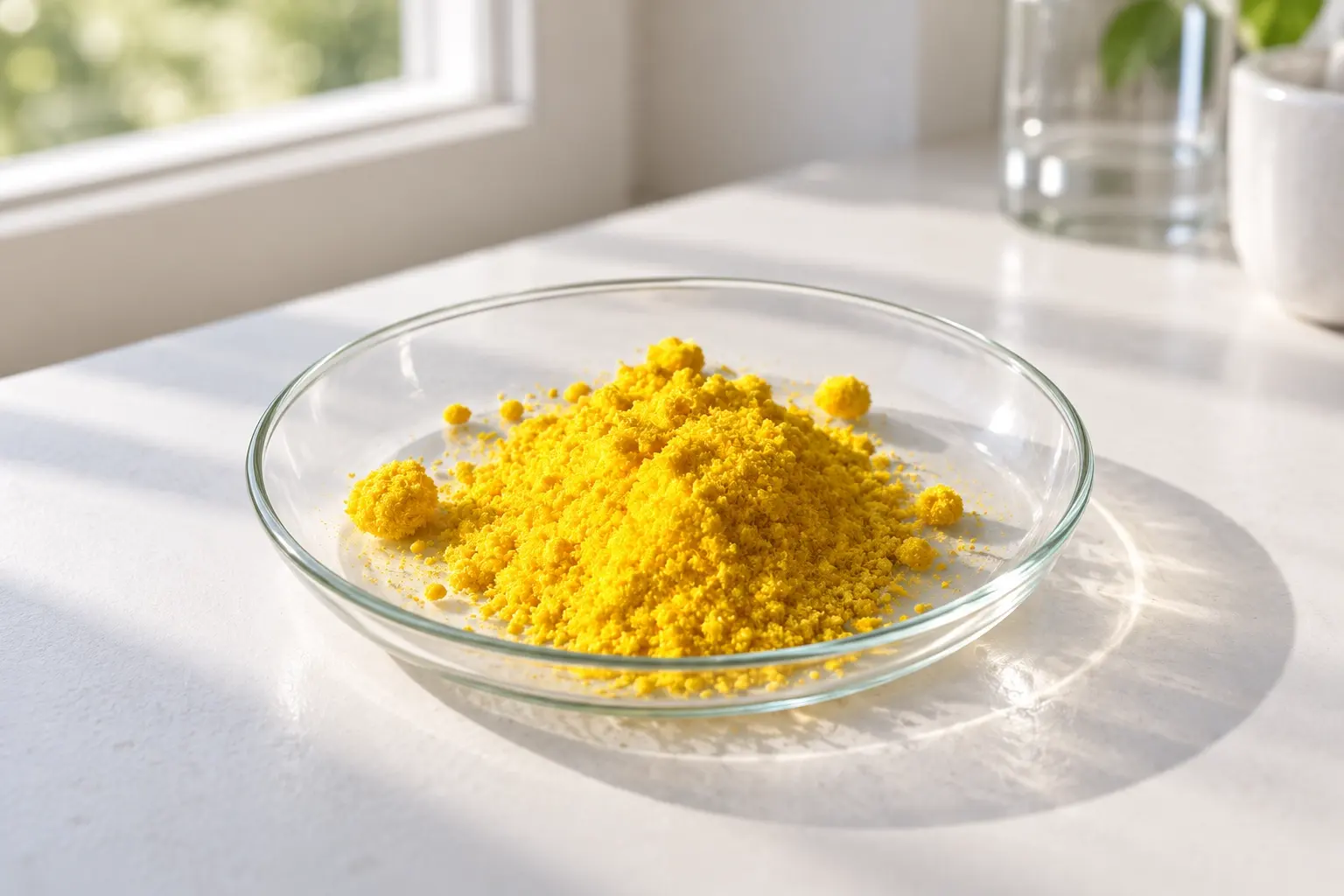
V. How should hydroxypinacolone retinoate be stored after opening?
After HPR is opened, it is recommended to minimize the time the ingredient is exposed to air and light. If only a small amount of the ingredient is needed at one time, prepare the weighing tools and containers in advance, and immediately reseal the remaining ingredient after taking what is needed.
For raw materials that need to be accessed repeatedly over a long period, you can divide them into smaller packages based on actual usage. This reduces the frequency of opening the same package, which is especially convenient for laboratory R&D, formula sampling, and small-batch production.
If after opening you notice significant abnormalities in the color, odor, or state of the raw material compared to the original batch, it is not advisable to judge whether its content is still qualified based on appearance alone. Further confirmation can be done through testing methods such as HPLC.
6. Does Hydroxypinacolone Retinoate require low temperatures during transportation?
Storage conditions and short-term transportation conditions are not entirely the same concept. Some product documentation allows short-term room-temperature transportation, but long-term storage may require lower temperatures; some suppliers also use insulated boxes, ice packs, and other methods for vitamin A-type raw materials to reduce the risk of high temperatures during transportation.
Especially in summer, in high-temperature regions, or when transportation time is long, HPR transportation should focus on controlling sustained high temperatures and direct sunlight. For specific batches with higher temperature requirements, follow the transportation plan provided by the supplier.
7. Common mistakes when storing HPR
1. Assuming all HPR should be stored at exactly the same temperature
99% powder, 10% solution, and other compounded HPR forms are not exactly the same product form, and their storage requirements may also differ.
2. Focusing only on temperature and neglecting light protection
For vitamin A-type raw materials, light is also an important factor to consider during storage. Therefore, you should not simply put the raw material in the refrigerator while using packaging that is transparent to light for a long time.
3. Raw materials are not sealed for long periods after opening
After each weighing is completed, it should be sealed promptly to avoid prolonged exposure to air and humid environments.
4. Directly using online data in place of the supplier's TDS
Online information can be used to understand the general properties of HPR, but for actual procurement and production, the technical data for the corresponding manufacturer, corresponding specification, and corresponding batch should still be used as the basis.
8. How long can hydroxypinacolone retinoate be stored?
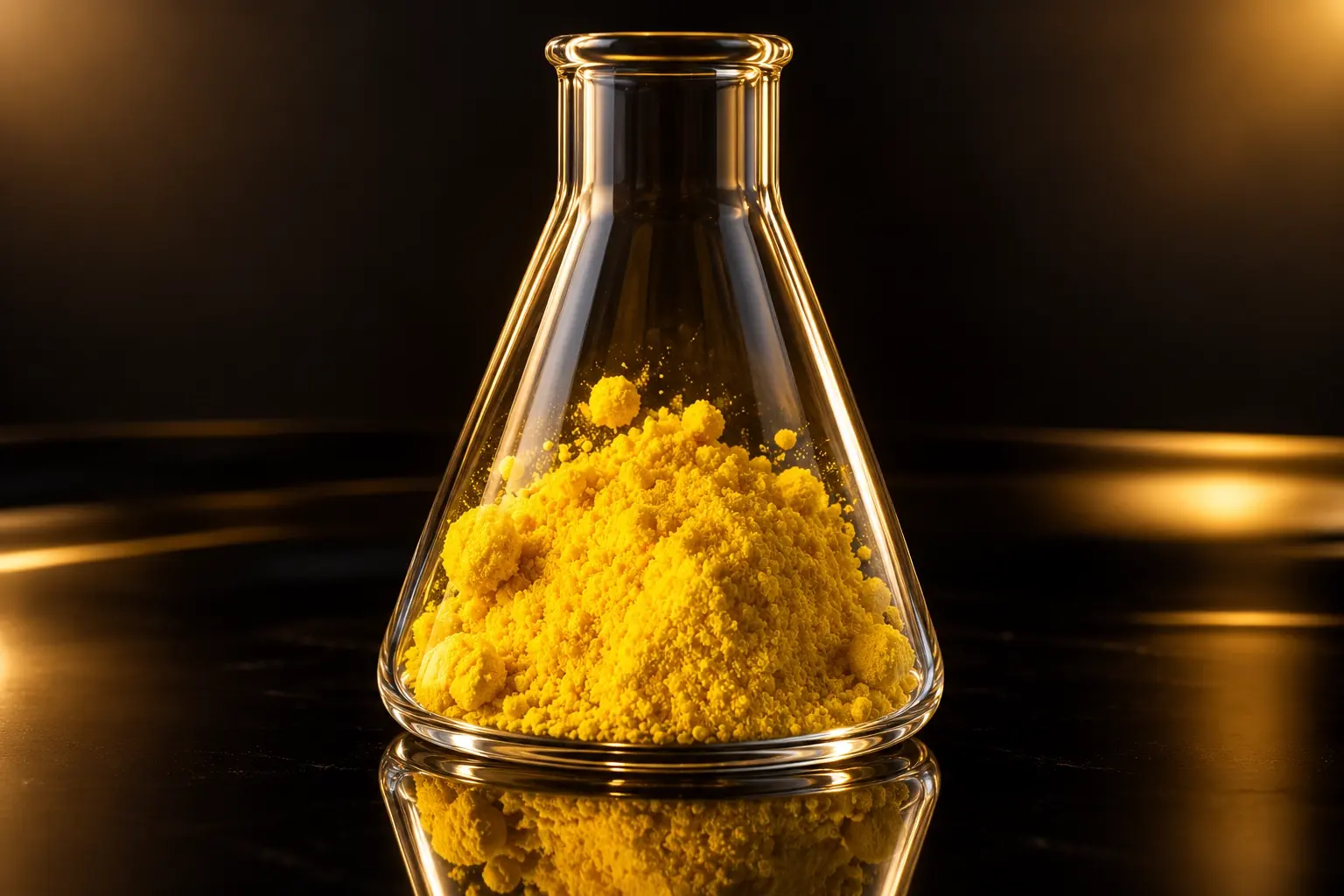
The shelf life of HPR likewise cannot be determined independently of the specific product specification. Different suppliers may provide different expiration dates for different specifications, and the shelf life is usually established under specified packaging and specified storage conditions.
If the raw material is kept for a long time under temperature, light, or sealing conditions that do not meet the requirements, even if the expiration date marked on the label has not yet passed, its quality cannot simply be assumed to be unchanged. For raw materials that have been stored for a long time or have been opened multiple times, the content and relevant quality indicators should be retested if necessary.
9. What storage information is recommended to confirm when purchasing HPR?
If hydroxypinacolone retinoate is being purchased for cosmetic R&D or production, in addition to asking about price, purity, and lead time, it is also recommended to confirm the following at the same time:
Specific product specification and content;
Recommended storage temperature;
Whether light-protected storage is required;
Storage recommendations after opening;
Packaging method;
Transport temperature control requirements;
Product shelf life;
Whether COA, SDS, and TDS can be provided.
10. Summary of Storage Conditions for Hydroxypinacolone Retinoate
Overall,
The core storage conditions for Hydroxypinacolone Retinoate are low temperature, protection from light, airtight sealing, and dryness, while also avoiding prolonged high temperatures and unnecessary air exposure.
However, there is no single storage temperature for HPR that applies to all product specifications. High-purity powders, solution-based products, and compounded HPR may require different storage conditions. Therefore, after actually purchasing the product, you should first check the product label and the TDS, SDS, and other materials provided by the supplier, and store it according to the specific product requirements.
For HPR raw materials that need long-term storage, multiple dispensing from large packages, or use in large-scale production, it is recommended to establish clear records and management for temperature, light protection, packaging sealing, and opening, thereby reducing the risk of raw material quality changes during storage.
FAQ
Does Hydroxypinacolone Retinoate need to be stored in the refrigerator?
High-purity HPR powder usually requires attention to low-temperature storage, and some product documentation specifies 2-8°C or other low-temperature conditions. However, requirements may differ by specification, so the label and TDS of the purchased product should prevail.
Can Hydroxypinacolone Retinoate be stored at room temperature?
It cannot be generalized. Some compounded or solution-based HPR may have room-temperature storage specifications, but this cannot be used to infer that all high-purity HPR powder is suitable for long-term room-temperature storage.
Does HPR need to be protected from light?
Light-protected storage is recommended. Public information lists Hydroxypinacolone Retinoate as a photosensitive substance, so during raw material storage and packaging, exposure to strong light and direct sunlight should be minimized as much as possible.
How long can HPR be stored after opening?
The specific shelf life after opening depends on product purity, packaging, storage temperature, and the opening procedure. It is not advisable to give a uniform period without reference to the product technical data. After opening, reseal as soon as possible and store under the originally specified conditions.
How can you determine whether Hydroxypinacolone Retinoate is still usable after long-term storage?
Appearance can only serve as a preliminary basis for observation. If the raw material has been stored for a long time, under abnormal storage conditions, or has been opened multiple times, you can refer to the specifications in the COA and use testing methods such as HPLC to confirm whether the content and quality still meet the requirements.