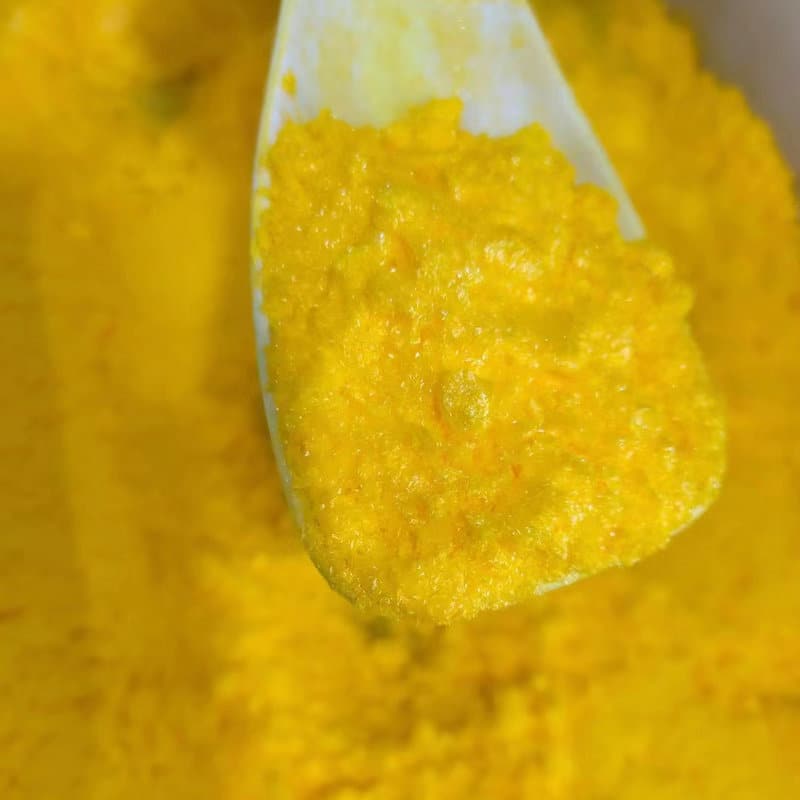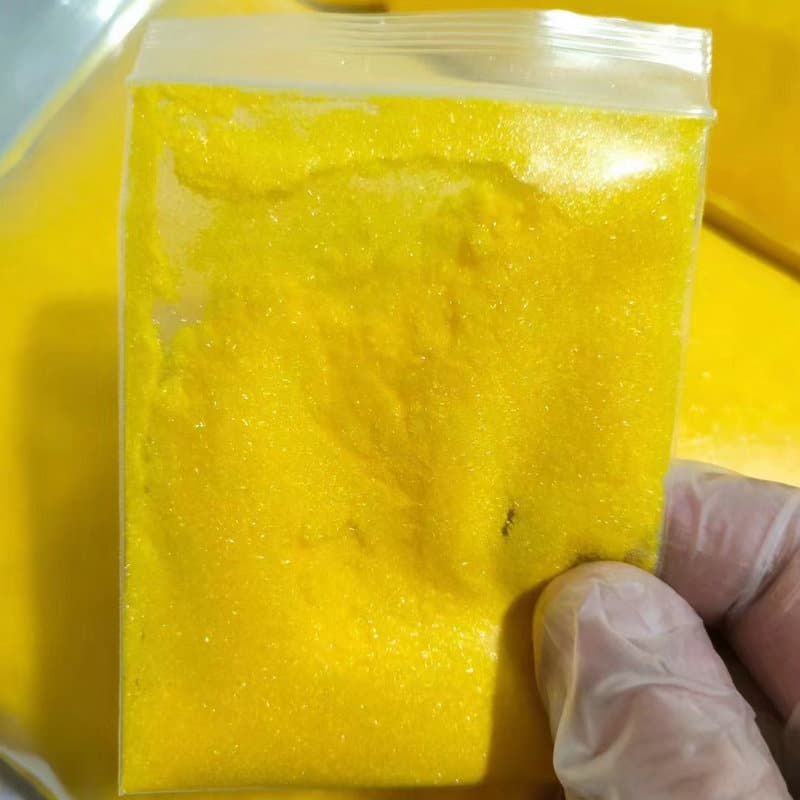


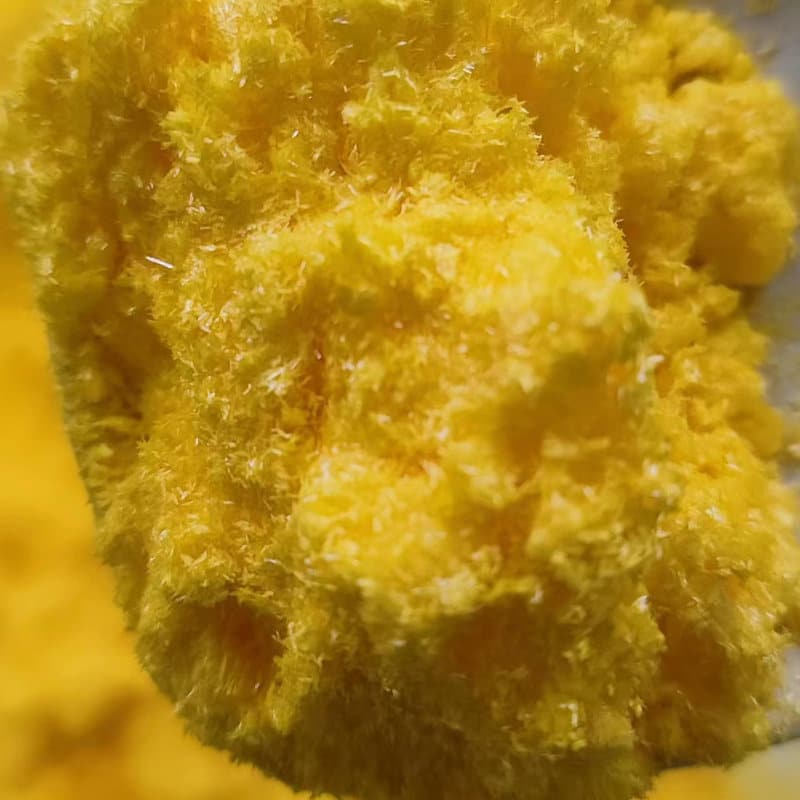
What is Hydroxypinacolone Retinoate
Publish Time:
2026-10-03
What Is Hydroxypinacolone Retinoate
What Is Hydroxypinacolone Retinoate? An Introduction to HPR's Effects, Features, and Cosmetic Applications
What Is Hydroxypinacolone Retinoate? If you see "Hydroxypinacolone Retinoate" or "HPR" in skincare formulas, cosmetic ingredient lists, or vitamin A ingredient materials, it usually refers to hydroxypinacolone retinoate. It belongs to the retinoid ester derivatives within the vitamin A compound family and has been mainly used in recent years in functional skincare formulas for anti-aging, skin condition improvement, and similar benefits.
Compared with the more familiar retinol, hydroxypinacolone retinoate differs to some extent in molecular structure, mechanism of action, and formulation application. Therefore, when selecting HPR raw materials or developing vitamin A skincare products, HPR cannot simply be understood as "another type of retinol."
I. What Is Hydroxypinacolone Retinoate?
The English name of hydroxypinacolone retinoate is
Hydroxypinacolone Retinoate
commonly abbreviated as
HPR
. It is a retinoate compound related to the vitamin A family.
From a chemical structure perspective, HPR can be understood as a derivative formed after retinoic acid undergoes esterification. This structure allows it to retain the structural characteristics of vitamin A compounds while also being clearly different from traditional ingredients such as retinol and retinal.
The common basic information of Hydroxypinacolone Retinoate is as follows:
| Chinese Name | Hydroxypinacolone Retinoate |
| English Name | Hydroxypinacolone Retinoate |
| Abbreviation | HPR |
| CAS Number | 893412-73-2 |
| Molecular Formula | C26H38O3 |
| Molecular Weight | Approximately 398.58 g/mol |
| INCI Name | Hydroxypinacolone Retinoate |
| Ingredient Type | Retinoids, Retinoate Esters |
2. What is the relationship between Hydroxypinacolone Retinoate and Retinol?
When many people learn about Hydroxypinacolone Retinoate, the most common question that arises is:
Is HPR the same as Retinol?
The answer is:
No.
HPR, Retinol, Retinal, and Retinoic Acid all belong to the retinoid family of related ingredients, but they are different compounds.
Traditional Retinol typically needs to be converted first into Retinal during skin-related metabolic processes, and then further into the biologically active Retinoic Acid form.
HPR itself belongs to the class of retinoic acid ester derivatives. Some publicly available studies and ingredient technical materials indicate that HPR can participate in retinoic acid receptor-related pathways, which is one of the important reasons it has attracted attention in cosmetic formulation development in recent years.
III. What are the effects of hydroxypinacolone retinoate?
From a cosmetic application perspective, hydroxypinacolone retinoate is mainly used in anti-aging and skin conditioning products. Current research on HPR and related delivery systems mainly focuses on directions such as skin aging, collagen-related expression, skin barrier, pigmentation, and sebum-related indicators.
1. Anti-aging skincare products
Vitamin A ingredients have long been an important direction in anti-aging skincare research. HPR is therefore mainly used in serums, creams, eye care, and other anti-aging formulas.
Some experimental studies have observed that HPR-related formulas affect type I collagen-related genes, elastin-related indicators, etc., so HPR is often studied as one of the active ingredients in anti-aging formulas.
2. Improving skin roughness and texture
Vitamin A ingredients are closely related to epidermal renewal, stratum corneum condition, and skin texture regulation. Therefore, the application direction of HPR in cosmetics is usually not only "anti-wrinkle" but also includes improving skin roughness, uneven texture, and overall skin condition.
3. Oil control and acne-prone skin
Some studies have also focused on the effects of HPR-related systems on sebum-related indicators such as 5α-reductase, so HPR can also be seen applied in oily skin or acne-prone skin care products on the market.
However, the specific skincare effects can be influenced by various factors such as HPR content, raw material purity, formulation system, encapsulation technology, other compounded ingredients, and duration of use. It cannot be judged solely by "the formula contains HPR" that the final product will necessarily have the same effects.
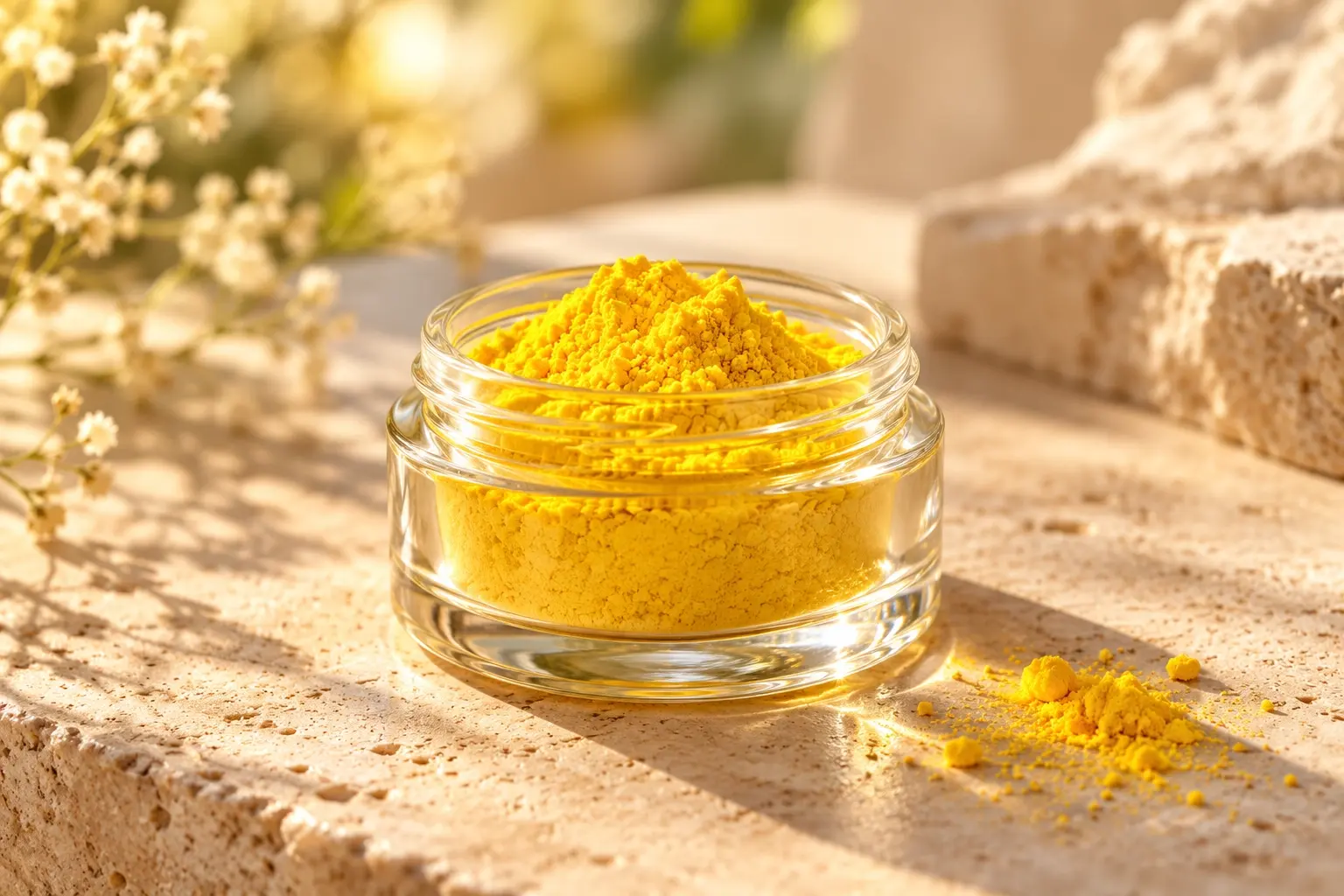
IV. Why is HPR called a new-generation vitamin A ingredient?
One important reason HPR has attracted the attention of cosmetics R&D professionals is that it attempts to solve two core problems in traditional vitamin A formulas:
The balance between activity and user experience, as well as formula stability issues.
Traditional retinol has a long history of application in cosmetics, but retinol itself is relatively sensitive to light, oxygen, temperature, and other conditions. During product development, special consideration is usually required for antioxidant protection, light protection, packaging, and storage conditions.
HPR uses a different molecular structure, thus providing another ingredient option in vitamin A formula development.
It should be noted that "new-generation vitamin A" and "gentler" are common industry descriptions. Actual irritation still depends on the final product concentration, carrier system, other ingredients, and the consumer's own skin tolerance. It should not be understood as HPR causing absolutely no irritation.
V. What is the difference between hydroxypinacolone retinoate and retinol?
| Comparison Item | Hydroxypinacolone Retinoate HPR | Retinol |
|---|---|---|
| Ingredient Type | Retinoate Ester Derivatives | Vitamin A Alcohols |
| English Name | Hydroxypinacolone Retinoate | Retinol |
| CAS Number | 893412-73-2 | 68-26-8 |
| Are They the Same Substance | No, they are different vitamin A compounds | |
| Main Applications | Anti-aging, skin conditioning and other functional cosmetics | Anti-aging, skin improvement and other functional cosmetics |
| Formulation Requirements | Need to focus on stability, light exposure, oxidation, and system compatibility | Special attention should be paid to light, oxygen, temperature, and formula stability |
6. What products can Hydroxypinacolone Retinoate be used in?
HPR is currently mainly used in functional skincare products, such as:
Anti-aging serums;
Anti-wrinkle creams;
Eye care products;
Firming skincare products;
Night repair products;
Products for oily skin and pore care;
Other Vitamin A-type functional skincare formulas.
Since HPR is a Vitamin A-type ingredient with strong lipophilicity, it usually needs to be used in combination with an oil phase, emulsification system, or a dedicated carrier system in actual formula development. HPR of different purities and different commercialized forms may also differ in how it is added.
7. What is the recommended addition level of Hydroxypinacolone Retinoate?
For this question, it is particularly necessary to distinguish
"the content of pure HPR raw material"
and
"the addition level of commercialized compounded raw materials"
。
Some so-called "HPR raw materials" on the market are actually compounded products composed of HPR with solvents, oils, or other carriers. Therefore, a supplier's recommendation to add 5% of a certain HPR commercial raw material does not mean that the final formula contains 5% pure HPR.
The recommended application range for pure active substance given in some HPR technical documents can be as low as about 0.01%, and should be adjusted according to the specific product and regulatory requirements. In publicly available information related to cosmetic ingredients already used in China, historical use information for Hydroxypinacolone Retinoate in leave-on products can also be found.
Therefore, in actual product development, the final addition level should be determined based on the raw material specification sheet, purity, regulations, product type, and safety assessment results, rather than directly applying a single percentage found online.
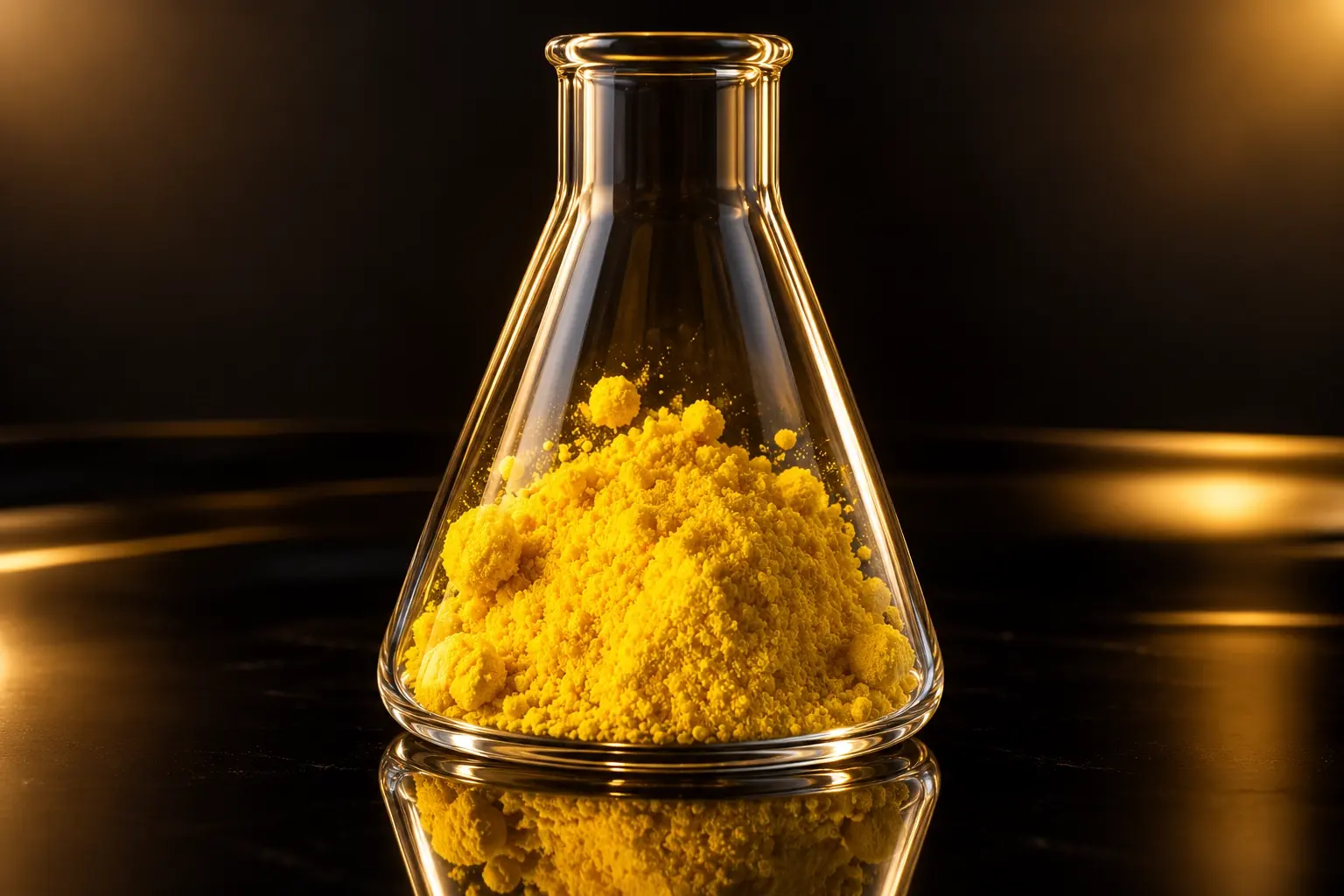
8. What should be noted when using HPR raw materials?
1. Protect from light
HPR is still a vitamin A derivative, so the effects of light should be considered during product manufacturing, packaging, and storage. Packaging with some light-blocking capability is generally recommended.
2. Watch out for oxidation
Vitamin A compounds generally require attention to air and oxidizing environments. During formula development, measures such as antioxidants, chelating agents, and reducing air contact inside the packaging can be considered based on the actual system.
3. Mind the temperature
Temperature during raw material storage and production can affect HPR stability. Specific storage conditions should be based on the TDS, SDS, and stability data provided by the supplier.
4. Do not judge HPR content solely by the product/raw material name
Products from different suppliers may be 99% pure HPR, or compounded raw materials with active content of 10%, 5%, or even lower.
When purchasing, focus on the actual HPR content in the COA or specification sheet, rather than judging only by the product name or the suggested addition level.
9. What parameters should be considered when purchasing Hydroxypinacolone Retinoate?
If you are a cosmetics factory, brand owner, or formula R&D personnel purchasing HPR, it is recommended to confirm at least the following items:
CAS Number:
Whether it is 893412-73-2;INCI Name:
Whether it is Hydroxypinacolone Retinoate;Purity:
Confirm whether it is pure HPR or a compounded HPR raw material;Testing Method:
For example, HPLC testing conditions and purity calculation method;Appearance:
Check whether it meets product specification requirements;COA:
Confirm test data across different batches;SDS:
Understand transportation and safe handling requirements;TDS:
Confirm dissolution method, addition method, and storage conditions;Stability:
Understand stability under light, temperature, and oxidative conditions;Packaging & Shipping:
Confirm whether light protection, sealed packaging, and low-temperature transport are required.
10. What Is Hydroxypinacolone Retinoate? A Brief Summary
In short,
Hydroxypinacolone Retinoate (HPR)
is a retinoic acid ester derivative of the vitamin A family, with a CAS number of
893412-73-2, a molecular formula of
C26H38O3
, and is currently mainly used in functional cosmetics for anti-aging, skin conditioning, and similar benefits.
Although it and retinol both belong to the vitamin A-related ingredient family, they are not the same substance. HPR has a different molecular structure and formulation characteristics, which is why it has gradually become an important raw material option in vitamin A skincare product development in recent years.
For cosmetics R&D and procurement professionals, in addition to understanding "what Hydroxypinacolone Retinoate is," they should also focus on
Purity, HPLC testing methods, stability, solubility, storage conditions, and actual HPR active content
, these indicators are often more meaningful than simply comparing product names or added amounts.
FAQ
Is Hydroxypinacolone Retinoate the same as Retinol?
No. Retinol usually refers to Retinol, while Hydroxypinacolone Retinoate is Hydroxypinacolone Retinoate; they are different vitamin A compounds.
What is Hydroxypinacolone Retinoate abbreviated as?
It is usually abbreviated as HPR.
What is the CAS number of Hydroxypinacolone Retinoate?
The CAS number is 893412-73-2.
What is the molecular formula of Hydroxypinacolone Retinoate?
The molecular formula is C26H38O3.
What is Hydroxypinacolone Retinoate mainly used for?
It is currently mainly used in functional cosmetic formulations for anti-aging, skin texture improvement, and skin conditioning. The specific product effect depends on the HPR content, formulation system, other compounded ingredients, and actual product test results.
Tags:
Related News
Hydroxypinacolone Retinoate Benefits
2026-10-03
Hydroxypinacolone Retinoate Benefits
2026-10-03
How to pronounce Hydroxypinacolone Retinoate
2026-10-03
Hydroxypinacolone Retinoate Pinyin
2026-10-03