

Hydroxypinacolone Retinoate Melting Point
Publish Time:
2026-10-03
Hydroxypinacolone Retinoate Melting Point
What Is the Melting Point of Hydroxypinacolone Retinoate? HPR Melting Point Range and Analysis of Different Data
What Is the Melting Point of Hydroxypinacolone Retinoate? If you search online for the melting point of Hydroxypinacolone Retinoate (HPR), you will find that the values given in different sources are not entirely consistent. Some sources list approximately 86–89°C, while some product documents list 95–98°C.
Therefore, for Hydroxypinacolone Retinoate, it is not possible to judge whether a product is qualified using a single fixed number, divorced from the specific product specification, purity, batch, and testing conditions. When purchasing HPR raw materials, a more reasonable approach is to simultaneously check the product specification sheet, test method, and the COA for the corresponding batch.
1. What Is the Melting Point of Hydroxypinacolone Retinoate?
In currently publicly available information on Hydroxypinacolone Retinoate (HPR), several different melting point ranges can be seen.
| Document Type | Public Melting Point Range |
|---|---|
| Technical Data for Some HPR 99% Products | Approximately 85.4–88.1°C |
| Technical Specifications for Some HPR | Approx. 86.0–89.0°C |
| Specifications and Test Data for Selected HPR Products | Approx. 95.0–98.0°C |
In other words, when searching for "Hydroxypinacolone Retinoate melting point," there is currently no single value that is fully consistent across all publicly available sources.
If you are purchasing high-purity Hydroxypinacolone Retinoate powder, you should prioritize reviewing the melting point quality standard specified by that manufacturer as well as the actual batch test results, rather than making a judgment based solely on a single melting point figure found online.
II. Basic Parameters of Hydroxypinacolone Retinoate
Before comparing melting point data, you first need to confirm whether you are comparing the same substance.
| Chinese Name | Hydroxypinacolone Retinoate |
| English Name | Hydroxypinacolone Retinoate |
| Common Abbreviation | HPR |
| CAS Number | 893412-73-2 |
| Molecular Formula | C26H38O3 |
| Molecular Weight | Approx. 398.58 g/mol |
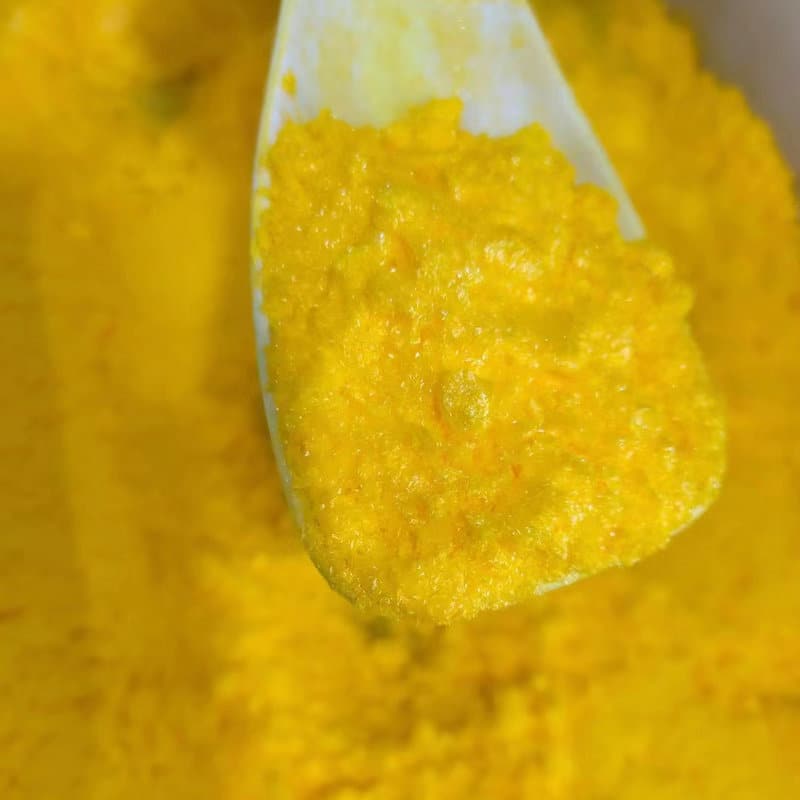
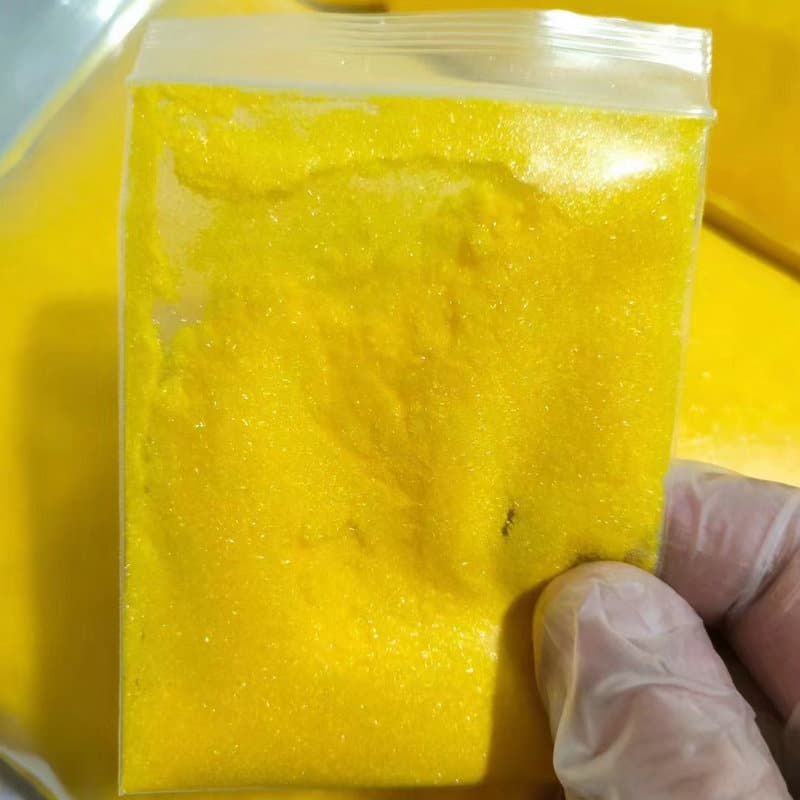
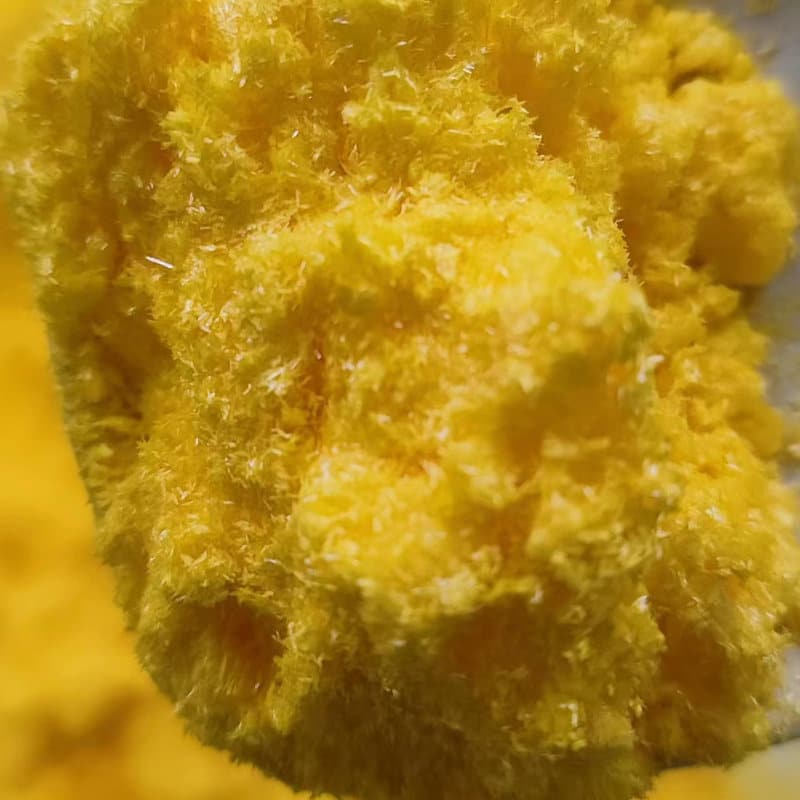
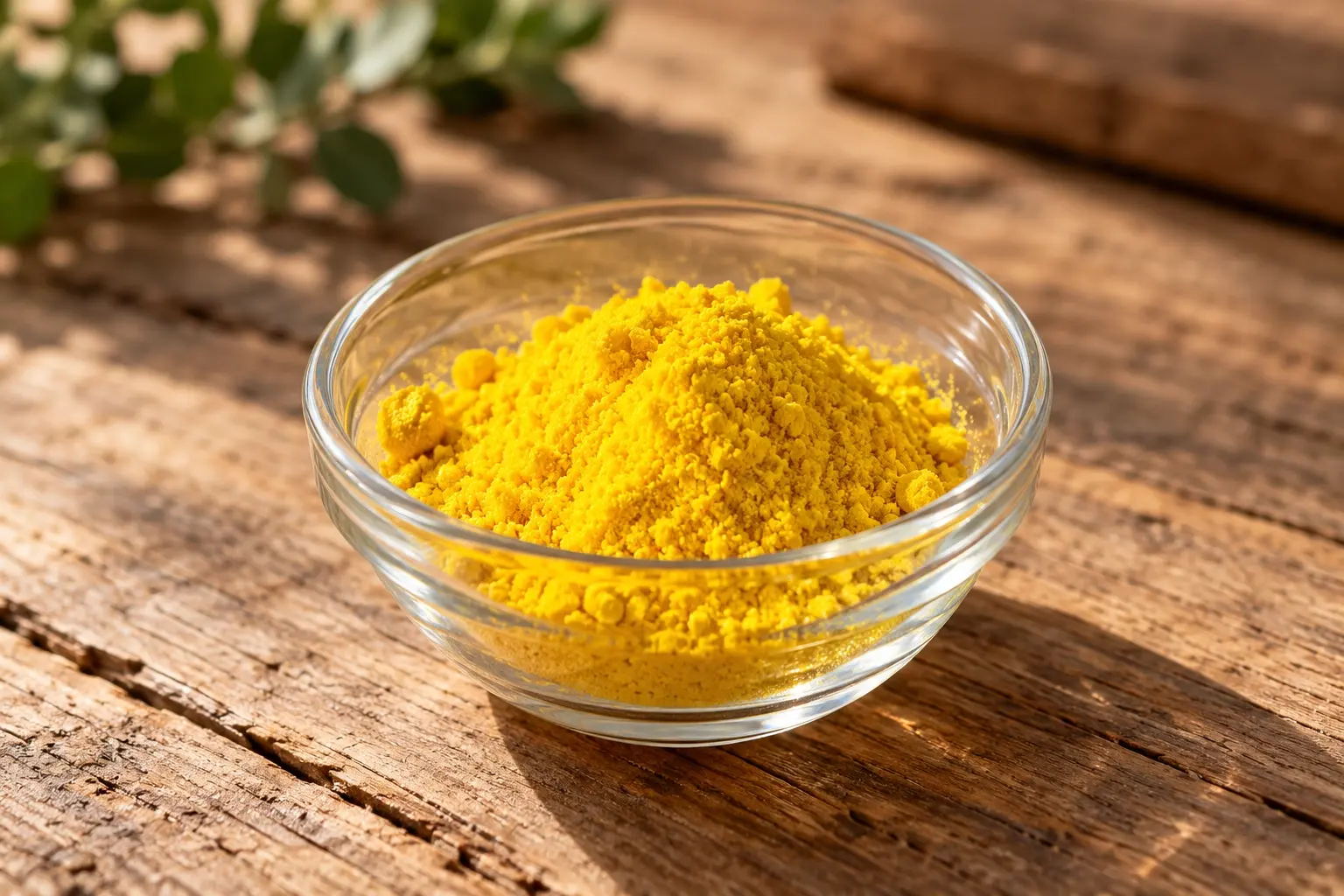
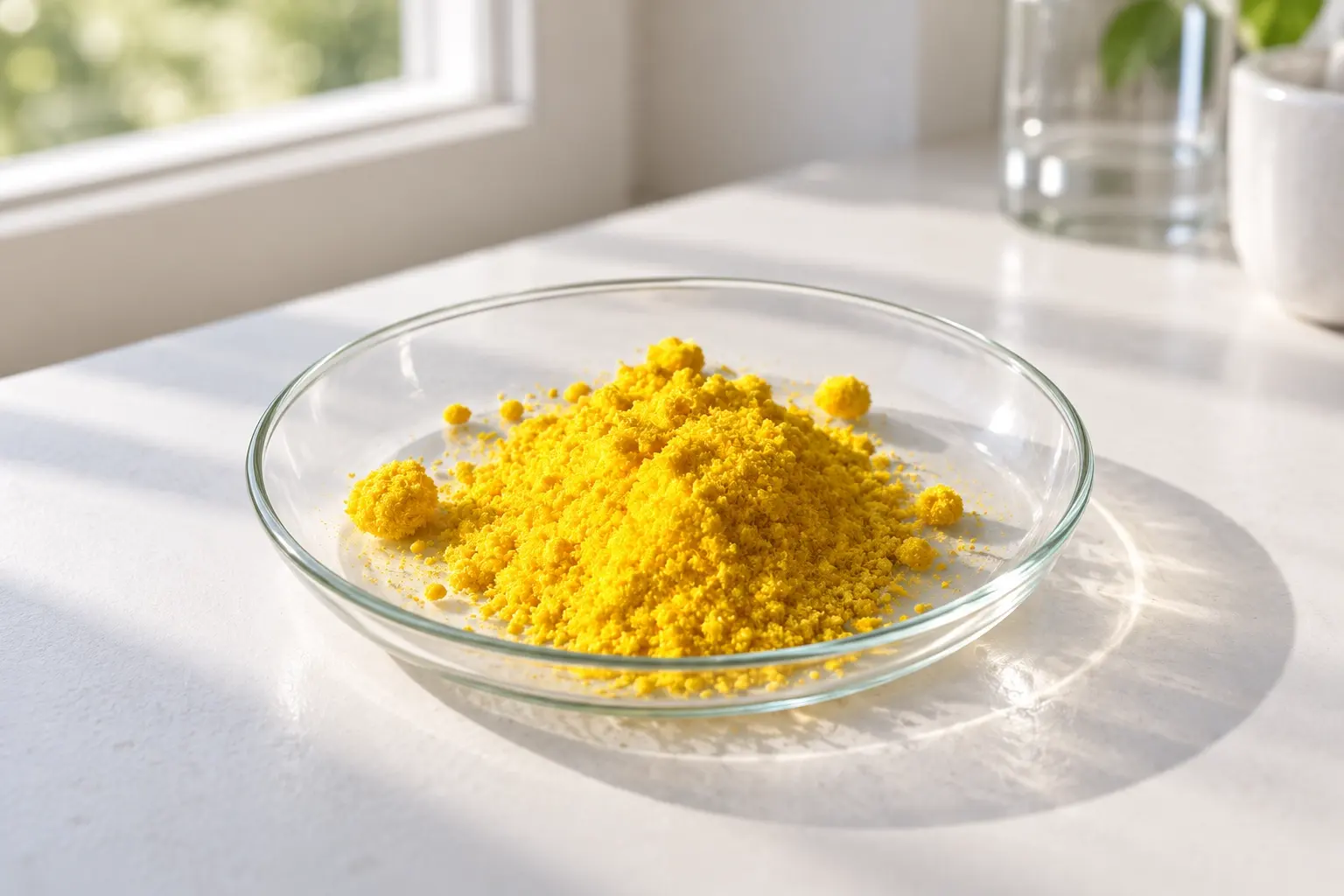
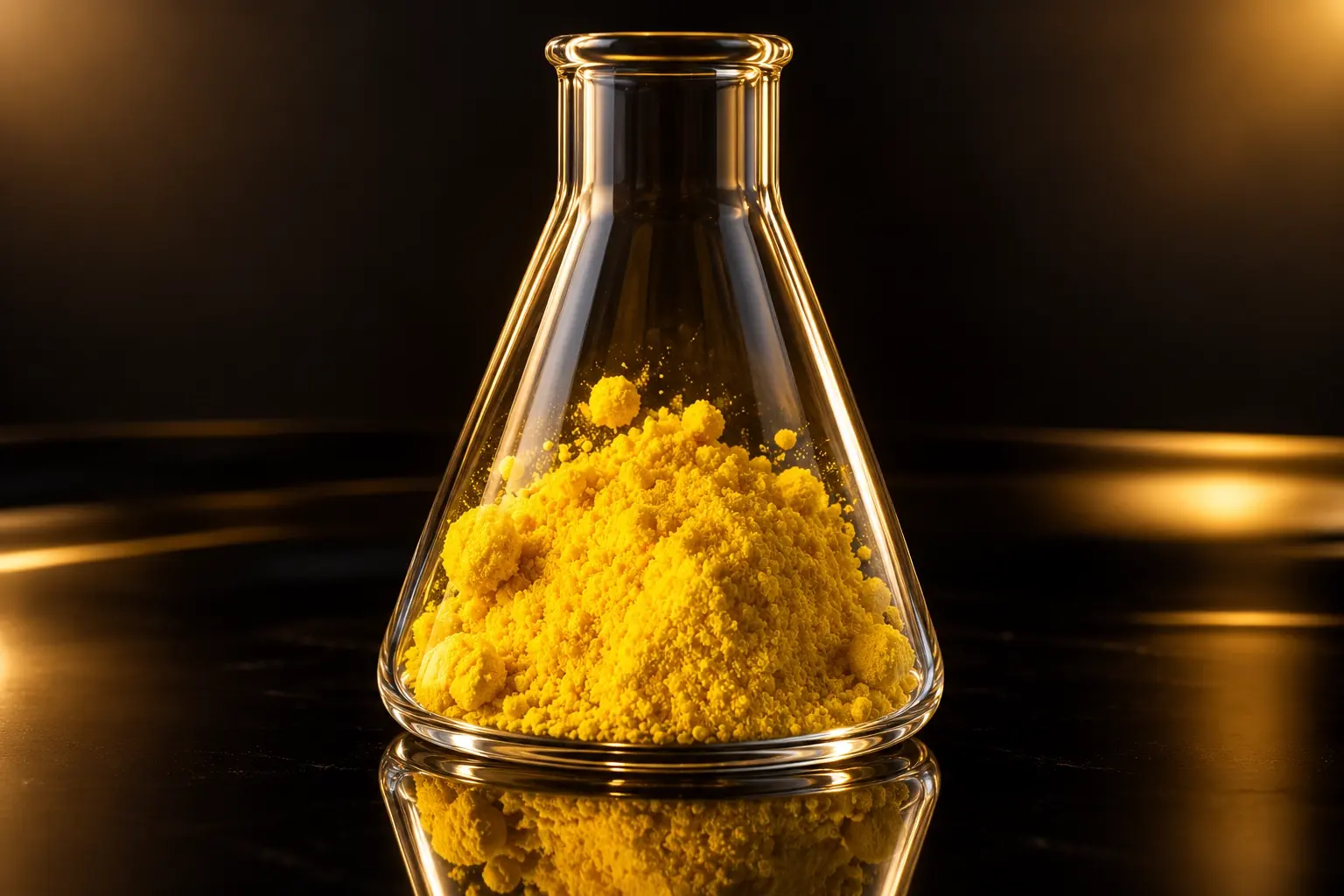
| Common Form | Light yellow to yellow solid or crystalline powder |
Particular attention should be paid here: not all "HPR raw materials" on the market are necessarily high-purity HPR powder in the same form.
Some commercial raw materials may be compounded liquids in which HPR is formulated in a solvent or carrier. Therefore, when comparing parameters such as melting point and purity, you should first confirm whether the product is
pure HPR powder
, or
HPR-containing compounded raw material
。
3. Why does the melting point of HPR differ across different sources?
This is the most noteworthy issue when looking up the melting point of hydroxypinacolone retinoate.
The appearance of different ranges such as approximately 86–89°C and 95–98°C in publicly available sources does not mean that seeing one of these figures allows you to directly conclude that the other must be wrong.
In actual testing, melting point results may be affected by factors such as sample purity, impurity composition, crystalline state, sample handling method, and specific testing conditions. Therefore, when assessing the quality of industrial raw materials, the melting point should be analyzed together with test results such as HPLC purity, appearance, and moisture content.
1. Different product purity
The melting point itself is one of the common physical parameters in compound identification and quality control. If a sample contains different types or different amounts of impurities, the measured melting range may change.
Therefore, when comparing the melting points of HPR from two suppliers, their HPLC purity should also be compared at the same time, rather than comparing melting points alone.
2. Different product forms
HPR can be supplied both as a high-purity powder raw material and in the form of a solution, dispersion system, or compounded raw material.
For commercial HPR raw materials that already contain carriers, solvents, or other components, their physical properties cannot simply be judged by the melting point standard of pure hydroxypinacolone retinoate.
3. Different companies may adopt different product specifications
From the currently publicly available supplier technical documents, it can be seen that the enterprise specifications set by different companies for the melting point of HPR are not entirely consistent.
Therefore, during the actual procurement process, it should be clearly asked which specification the supplier is providing, and the product specification sheet should be required to correspond to the COA of the corresponding batch.
IV. Is HPR with a melting point of 95–98°C necessarily better than 86–89°C?
This conclusion cannot be drawn based solely on whether the melting point range is higher or lower.
Melting point is not a simple relationship where "the higher the number, the higher the purity." Judging the quality of Hydroxypinacolone Retinoate requires combining the product's own specification standards with multiple test data points.
For example, when purchasing high-purity HPR powder, you can focus on verifying the following items:
Whether the CAS number is 893412-73-2;
Whether the product is Hydroxypinacolone Retinoate;
HPLC purity testing;
Actual batch melting point range;
Appearance and color;
Moisture or loss on drying;
Whether the COA corresponds to the actual batch number;
Verify HPLC, NMR, and other testing data when necessary.
Especially when comparing suppliers, it is not advisable to use Supplier A's enterprise standard to directly judge whether Supplier B's product is qualified. You should first clarify whether the specifications and testing methods of both parties are consistent.
5. Can melting point be used to judge HPR purity?
Melting point can serve as an auxiliary identification and quality control parameter, but it cannot replace HPLC purity testing.
For example, if a sample's melting point falls within the supplier's specified range, this alone cannot prove that it has definitely reached 99% HPLC purity. Likewise, if a batch's melting point differs from data published by other companies online, this alone cannot be used to directly conclude that there is a quality problem with the product.
For cosmetic active ingredients such as hydroxypinacolone retinoate, a more reasonable approach to quality confirmation is:
Material identity confirmation + HPLC purity + physicochemical indicators such as melting point + batch COA + structural identification data when necessary.
6. What testing documents should be requested when purchasing hydroxypinacolone retinoate?
If purchasing high-purity HPR powder, it is recommended to first request a COA from the supplier and focus on checking whether the product name, CAS number, batch number, purity, and melting point are complete.
For R&D testing or supplier audits, you can further request the following as needed:
COA (Certificate of Analysis);
SDS;
TDS or product specification;
HPLC test data;
NMR test data;
Storage and stability requirements.
If two suppliers give HPR melting points of 86–89°C and 95–98°C respectively, you should first ask both parties to provide their own specifications and batch test reports, and then further verify purity, test methods, and sample state.
7. Are the melting point of hydroxypinacolone retinoate and the formulation addition temperature the same thing?
No.
This is a very common misconception when searching for the HPR melting point.
The melting point is a physical property parameter of a substance when it melts from a solid state, while the addition temperature in a cosmetic formulation is a formulation process parameter; the two cannot be directly equated.
For example, if a batch of HPR powder is tested to have a melting point close to 90°C, it does not mean that HPR should be heated to above 90°C before being added during cosmetic production.
HPR is a vitamin A derivative, and publicly available information also indicates that it has characteristics such as photosensitivity. Therefore, the actual formulation addition method and temperature should be determined based on the TDS, stability data, and complete formulation system of the HPR raw material used.
8. How can you determine whether the melting point of the HPR you purchased is normal?
You can make the determination in the following order:
Confirm whether the product name is Hydroxypinacolone Retinoate;
Confirm whether the CAS number is 893412-73-2;
Confirm whether what you purchased is pure powder or a blended product containing a carrier;
Check the melting point range specified in the supplier's specification sheet;
Check the actual test value in the COA for this batch of goods;
Make a comprehensive judgment in combination with indicators such as HPLC purity;
When obvious abnormalities appear, retesting or further structural identification should be conducted.
This judgment method is more reliable than directly searching for a network melting point figure.
9. Frequently Asked Questions
Is the melting point of Hydroxypinacolone Retinoate 95–98°C?
Some publicly available product information does indeed list the melting point of HPR as 95–98°C, but this is not the only range found in currently public materials. Other HPR technical documents give a range of approximately 86–89°C. Therefore, actual procurement and acceptance should be based on the specific product specification and the corresponding batch COA.
Is a melting point of 86–89°C for HPR normal?
Melting point standards of around 86–89°C can be found in publicly available HPR technical specification documents, so a product cannot be judged abnormal simply because this value differs from the 95–98°C of other suppliers. Purity, specifications, and testing conditions should also be checked at the same time.
What color is Hydroxypinacolone Retinoate?
Public raw material information usually describes high-purity HPR as a light yellow to yellow solid or crystalline powder. The specific color may vary to some extent depending on product specifications and batches.
What is the CAS number of HPR?
The CAS number of Hydroxypinacolone Retinoate is
893412-73-2。
What is the molecular weight of HPR?
The molecular formula of Hydroxypinacolone Retinoate is C26H38O3, and its molecular weight is approximately
398.58 g/mol
。
10. Summary
Regarding the question "What is the melting point of Hydroxypinacolone Retinoate", currently available public information shows values of approximately
85.4–88.1°C, 86–89°C, and 95–98°C
and other varying product specification data.
Therefore, it is not advisable to disregard product specifications and directly define any one of these ranges as the sole melting point standard for all HPR.
For actual procurement and quality control, it is more important to confirm that the product is Hydroxypinacolone Retinoate (CAS 893412-73-2), and then
Supplier specifications, HPLC purity, melting point, batch COA, and necessary HPLC/NMR testing data
Combine them to evaluate product quality.
If you need to purchase Hydroxypinacolone Retinoate raw material, it is recommended to confirm purity, testing methods, melting point specifications, supply form, and whether the corresponding batch COA can be provided at the time of inquiry, so that the R&D and quality departments can conduct a complete raw material evaluation.
Tags:
Related News
Hydroxypinacolone Retinoate Benefits
2026-10-03
Hydroxypinacolone Retinoate Benefits
2026-10-03
How to pronounce Hydroxypinacolone Retinoate
2026-10-03
Hydroxypinacolone Retinoate Pinyin
2026-10-03