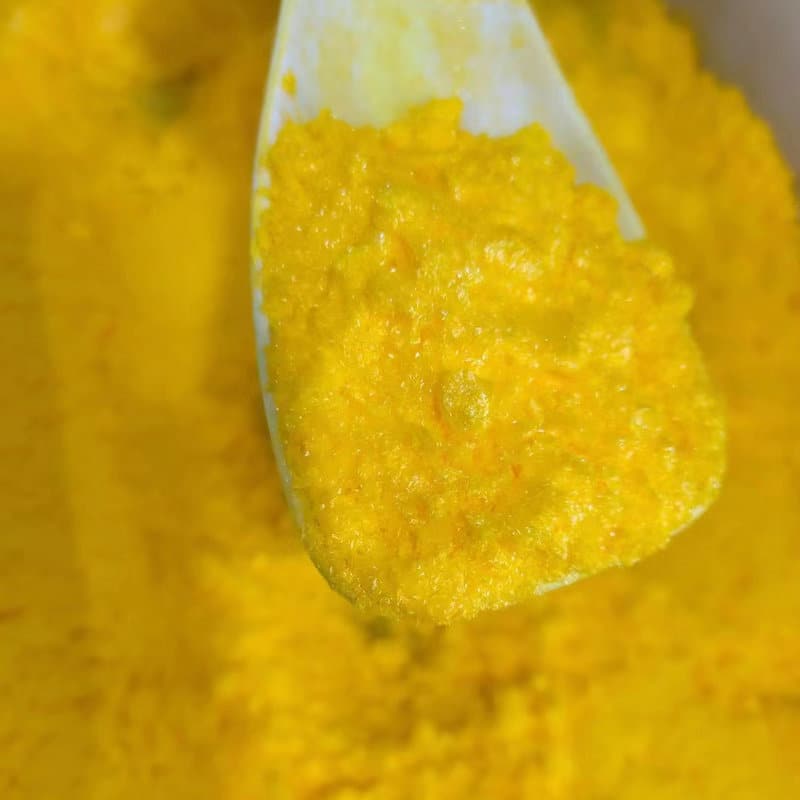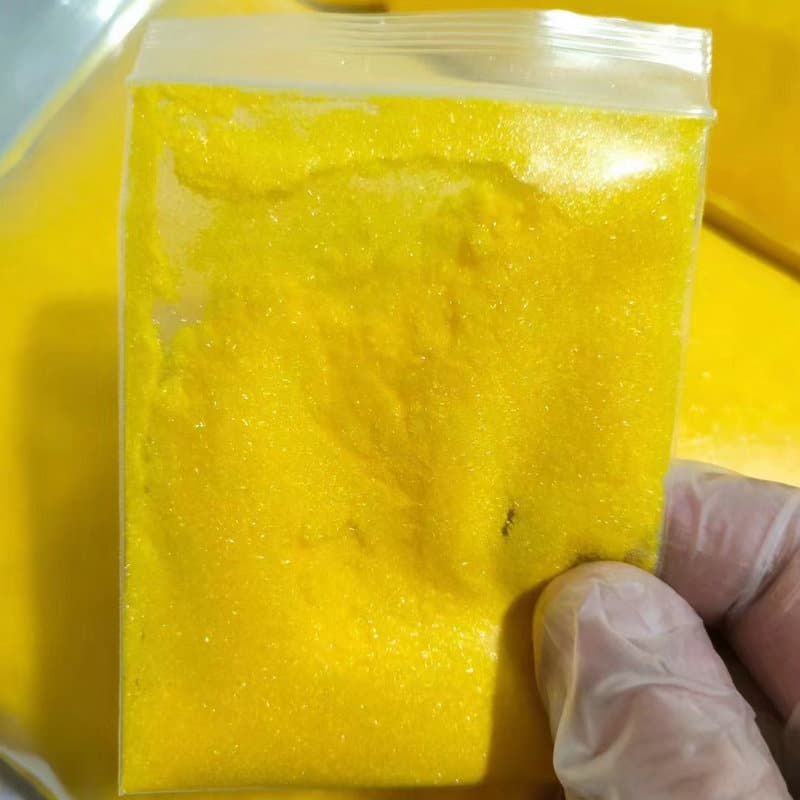


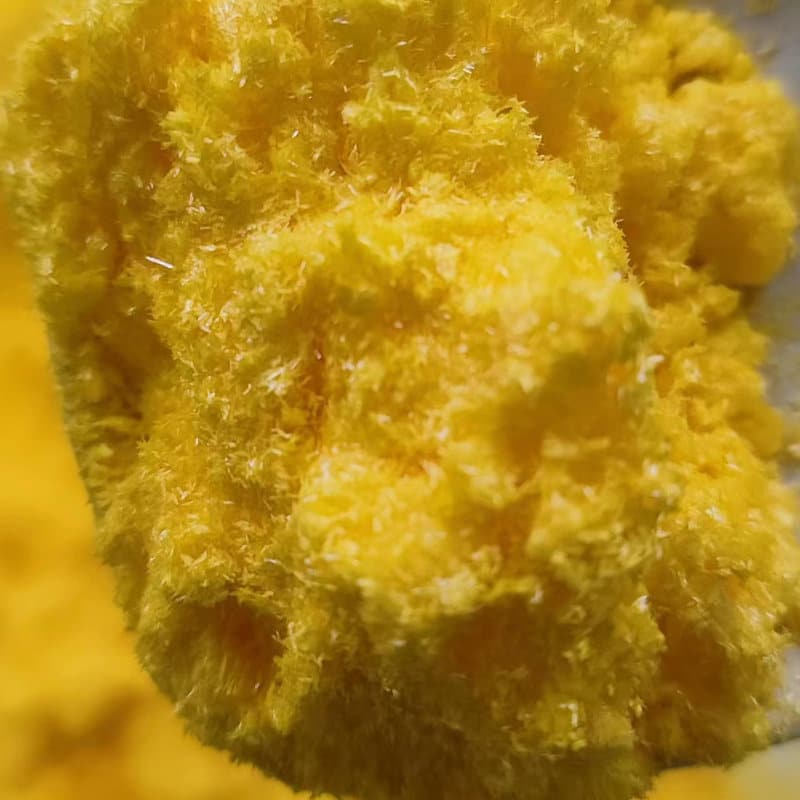
Hydroxypinacolone Retinoate Stability
Publish Time:
2026-10-03
Hydroxypinacolone Retinoate Stability
How Stable Is Hydroxypinacolone Retinoate? HPR Photothermal Stability, Storage, and Formulation Considerations
Hydroxypinacolone Retinoate (HPR) is currently one of the more closely watched vitamin A derivatives in cosmetics. For raw material buyers and formulation engineers, in addition to purity, solubility, and usage level,
Hydroxypinacolone Retinoate Stability
is also a very important indicator.
Based on existing research, HPR has better stability compared with traditional Retinol, but "better stability" does not mean it will not degrade under any conditions. HPR still requires attention to factors such as
light exposure, high temperature, oxygen, formulation systems, and storage conditions
and other factors.
1. How Stable Is Hydroxypinacolone Retinoate?
Overall, HPR is one of the better-performing vitamin A actives in terms of stability.
A stability study conducted on various vitamin A ingredients in commercial cosmetics tested the long-term, accelerated, and photostability of ingredients such as Retinol, Retinyl Palmitate, β-Carotene, and Hydroxypinacolone Retinoate. The results showed that among the several vitamin A ingredients studied,
HPR shows relatively outstanding stability
。
However, research also found that the stability of vitamin A ingredients varies significantly across different formulations, which means that determining whether HPR is stable cannot rely solely on the raw material itself but must also involve testing within the final cosmetic formulation.
Therefore, a more accurate statement would be:
Compared with traditional Retinol, HPR has better stability, but it is still a vitamin A active ingredient that requires protection from light, temperature control, and reduced exposure to oxidation.
II. Why is HPR relatively more stable than Retinol?
The English name of HPR is Hydroxypinacolone Retinoate, its CAS number is
893412-73-2its molecular formula is C26H38O3, and its molecular weight is approximately 398.58.
Although both HPR and Retinol are vitamin A-related active ingredients, their chemical structures differ, resulting in differences in stability performance in actual formulations.
Existing cosmetic stability studies have shown that HPR exhibits good chemical stability among various tested vitamin A ingredients. However, the HPR molecule still contains structures susceptible to light, heat, and oxidative environmental influences, so it cannot simply be understood as "completely stable."
III. Main factors affecting the stability of Hydroxypinacolone Retinoate
1. Light Exposure
Light exposure is one of the important factors affecting the stability of HPR.
Retinoid compounds generally have strong photosensitivity. Existing stability studies on Retinoids have found that under test conditions,
degradation caused by light exposure may even be more pronounced than that caused by temperature increase alone
。
Therefore, whether it is HPR raw material or cosmetics containing HPR, it is recommended to avoid prolonged exposure to strong light and sunlight environments.
For packaging design, priority can be given to:
Opaque packaging;
Dark-colored bottles or light-blocking packaging;
Reducing long-term exposure of transparent packaging to strong light;
Seal raw material packaging promptly after opening.
2. Temperature
Temperature also affects the stability of HPR.
Accelerated stability studies on retinoid ingredients show that when the test temperature increases, degradation of the active ingredient usually accelerates significantly. Therefore, HPR raw material is not recommended for long-term storage in high-temperature environments, such as warehouses exposed to direct sunlight, vehicles, or locations near heat sources.
Laboratory-grade HPR product documentation commonly recommends storage at 2–8°C, 4°C, or lower, and requirements may vary depending on the product form and manufacturer.
The specific storage temperature should be based on the TDS, SDS, COA, or supplier technical documentation for that batch of product.
3. Oxygen and Oxidizing Environments
HPR still has a certain degree of oxidation sensitivity.
Therefore, during raw material storage and production, prolonged open-air handling should be minimized. Sealing promptly after opening the packaging can reduce the impact of long-term air exposure on raw material stability.
For demanding formulations, the risk of oxidation can also be reduced through rational design of the oil phase, antioxidant system, packaging format, and production process, but the actual effect should be confirmed through stability testing.
4. Acid-Base Environment
Publicly available technical data shows that HPR also carries stability risks under conditions such as strong acids and strong bases.
Therefore, when developing cosmetic formulas, it is not advisable to judge solely on theory that a fixed pH is necessarily suitable for HPR; instead, HPLC content monitoring and stability testing should be carried out under the actual pH conditions of the target formula.
5. Formula System
This is a point that is very easily overlooked in practical applications.
Even with the same HPR added, different emulsification systems, oil phases, antioxidant systems, solubilization systems, packaging, and production processes can all lead to completely different stability results.
So one cannot simply infer that another formula is equally stable just because one HPR-containing formula is stable.
IV. Is HPR stable at high temperatures?
HPR is not suitable for prolonged exposure to high-temperature environments.
Existing retinoid stability studies have tested products under conditions such as 25°C and 40°C, and the results show that rising temperatures significantly increase the likelihood of degradation of vitamin A ingredients.
Therefore, for HPR, higher temperatures are generally more suitable as
Accelerated Stability Test Conditions
, and should not be interpreted as recommended long-term storage conditions.
Especially during summer transportation, warehouse storage, and finished product shelf-life design, the impact of temperature on HPR content retention must be considered.
5. Is HPR sensitive to light?
Yes, it is sensitive to light.
Although HPR shows better stability than traditional Retinol, the effect of light on its stability still cannot be ignored.
Related studies show that in Retinoids stability testing, the degradation caused by light is very significant. Therefore, for HPR raw materials and HPR formulated products,
protecting from light is usually one of the basic measures to improve long-term stability
。
6. How should Hydroxypinacolone Retinoate be stored?
For high-purity HPR raw materials, the following aspects should be noted:
Light protection:
Avoid prolonged exposure to sunlight and strong light;Low temperature:
Store at the temperature specified by the supplier;Sealed:
Seal promptly after opening to minimize air contact;Avoid high temperatures:
Do not store long-term in high-temperature warehouses or near heat sources;Reduce repeated opening:
For bulk use, reasonably divide into smaller portions as needed;Control storage and transportation conditions:
Environmental temperature requires particular attention during long-distance transportation.
HPR produced by different manufacturers may differ in purity, crystal form, excipient system, and product form, so the specific storage temperature and shelf life cannot be determined uniformly based solely on the name "HPR".
When purchasing, it is recommended to also request from the supplier
COA, SDS, TDS, and stability-related documents
。
7. How can the stability of HPR in cosmetic formulations be improved?
From a formulation development perspective, optimization can be carried out in the following directions.
1. Reduce light exposure
During production, intermediate storage, and final packaging, avoid prolonged exposure to strong light as much as possible, and choose packaging materials with a certain degree of light-blocking capability.
2. Control production temperature
HPR is not suitable for prolonged high-temperature processing without validation. The specific incorporation temperature needs to be determined based on the technical data provided by the raw material supplier and the results of final formulation experiments.
3. Rationally design the antioxidant system
Reducing the impact of oxidative environments on vitamin A-type active ingredients is one of the common approaches to improving formulation stability.
However, the type of antioxidant, the dosage, and its compatibility with HPR need to be verified through actual experiments, and cannot be judged solely based on theoretical data of a single raw material.
4. Adopt encapsulation or nano-delivery technology
In recent years, some studies have begun to use liposomes, supramolecular systems, and nanoemulsion technology to improve the stability of HPR.
For example, some studies prepared HPR into a nanoemulsion system and achieved good storage stability under certain experimental conditions, while also improving the retention capacity of HPR under light and high-temperature conditions.
This indicates that for products with high stability requirements, encapsulation and delivery systems are technical directions worth studying.
8. How do you determine whether an HPR formulation is truly stable?
To judge the stability of an HPR formulation, you cannot simply observe whether the product changes color, separates, or precipitates.
Just because the product appearance looks normal does not mean the actual HPR content has not decreased.
A more reliable approach is to evaluate both
physical stability and chemical stability.
。
Physical stability can be observed through:
color change;
odor change;
crystallization;
precipitation;
emulsion separation;
viscosity change;
pH changes.
Chemical stability focuses on testing:
Initial HPR content;
HPR content at different time points;
HPR retention rate;
Whether obvious degradation products appear.
For HPR, HPLC is a relatively common content detection method.
For example, conditions such as room temperature, low temperature, high temperature, light exposure, and hot-cold cycling can be set according to product R&D needs, and changes in HPR content can be detected at different time points to determine the long-term stability of the formula.
9. Is HPR more stable than Retinol?
Based on data from existing published studies,
HPR has demonstrated relatively outstanding stability among various common Retinoids
, so from a raw material selection perspective, it does offer certain advantages.
However, it cannot be simply stated that "HPR will not degrade."
HPR is still affected by the following factors:
Light;
Temperature;
Oxygen;
Formulation environment;
Packaging;
Storage time.
Therefore, for cosmetic R&D professionals, a more reasonable approach is not simply to compare which vitamin A ingredient is "the most stable," but rather to select suitable raw materials and then ensure the effective content of the product throughout its entire shelf life through formulation, production, packaging, and storage conditions.
10. Common Questions About Hydroxypinacolone Retinoate Stability
Can HPR be stored at room temperature?
Short-term handling and transport conditions cannot be equated with long-term storage. For long-term storage of high-purity HPR, it is generally recommended to follow the low-temperature, light-protected conditions provided by the supplier, with the specific SDS or TDS of the corresponding product taking precedence.
Does HPR need to be protected from light?
Yes. Existing data indicate that HPR is still photosensitive, so both raw materials and finished products should be protected from light.
Is HPR resistant to high temperatures?
It is not advisable to regard HPR as a high-temperature-resistant raw material. High temperatures increase the risk of degradation of vitamin A-type actives, so production and long-term storage temperatures should be determined based on the actual formulation.
Which is more stable, HPR or Retinol?
In existing studies, HPR has shown better stability than various traditional retinoids tested, including Retinol. However, the stability of the final product still depends heavily on the specific formulation.
Why are some HPR products very stable while others degrade easily?
The reasons are usually not just the HPR raw material itself, but also related to concentration, oil phase system, emulsification system, antioxidant system, production temperature, packaging, and storage conditions.
Summary
Hydroxypinacolone retinoate is generally more stable than traditional Retinol, but this does not mean it is completely unaffected by external environmental factors.
HPR still requires attention to light, high temperature, oxygen, and the formulation environment. For high-purity HPR raw materials, it is recommended to store them at low temperature, protected from light, and sealed, in accordance with the supplier's technical documentation; for cosmetic formulations, HPLC content testing should be combined with room temperature, high temperature, light exposure, and long-term stability tests to confirm the actual stability of the final product.
For products that require a long shelf life or have high retention requirements for active ingredients, further research can be conducted on antioxidant systems, light-blocking packaging, liposomes, nanoemulsions, and other encapsulation technologies to improve the stability of HPR in actual formulations.
Tags:
Related News
Hydroxypinacolone Retinoate Benefits
2026-10-03
Hydroxypinacolone Retinoate Benefits
2026-10-03
How to pronounce Hydroxypinacolone Retinoate
2026-10-03
Hydroxypinacolone Retinoate Pinyin
2026-10-03